
GAITHERSBURG, Maryland, May 6, 2026, 14:07 EDT
- Novavax topped first-quarter revenue forecasts, with licensing and supply agreements cushioning the impact of sluggish COVID-19 vaccine sales.
- The stock jumped roughly 15.6% during the afternoon session, shifting attention once again to the company’s partner-led approach to vaccines.
- The company stuck with its 2026 adjusted revenue target of $230 million to $270 million, not counting certain sales and royalties tied to Sanofi.
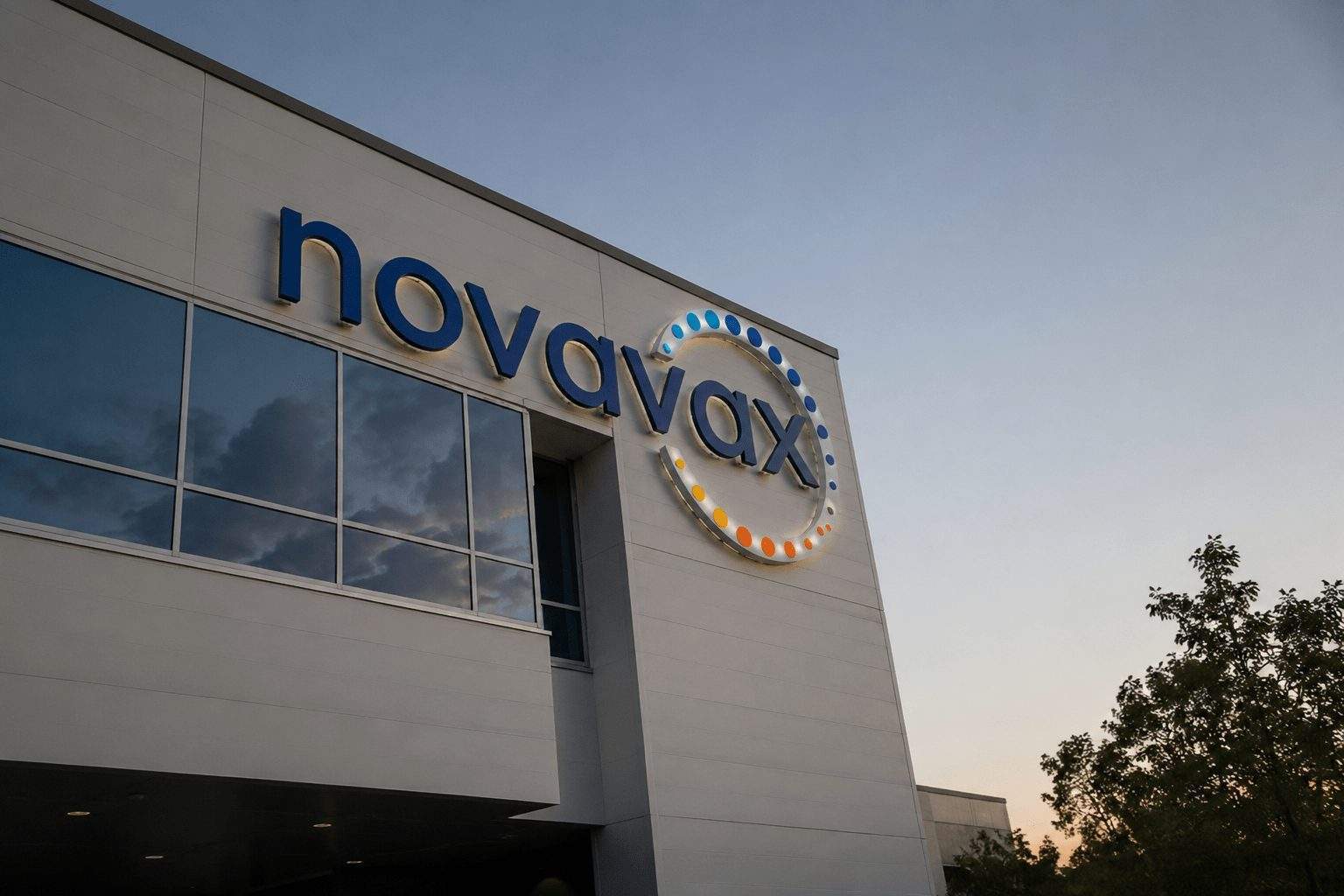
Novavax shares jumped Wednesday. The vaccine maker’s first-quarter revenue came in far ahead of Wall Street forecasts, buoyed by a $30 million payment from Pfizer and partner revenue, not from COVID-19 shot sales.
Why does this matter? Novavax needs to show it can reduce its reliance on COVID vaccine sales—a business hit hard since pandemic highs. The company’s latest strategy is straightforward: license out its Matrix-M adjuvant, which boosts vaccine effectiveness, and push more of the risk and expenses onto bigger pharmaceutical players.
Novavax turned in total revenue of $139.5 million for the quarter ended March 31, topping the $78.3 million Wall Street had been expecting, LSEG data via Reuters showed. Shares on the Nasdaq jumped roughly 15.6% to $9.36 in afternoon trading.
Novavax, headquartered in Gaithersburg, Maryland, swung to a net loss of $9.5 million, or 6 cents per share. That’s a sharp reversal from the $518.6 million profit, or $2.93 a diluted share, reported a year ago—numbers that then reflected a bump from non-cash sales tied to winding down advance purchase agreements. Product sales nosedived to $42.2 million from $621.7 million. But revenue from licensing, royalties, and other sources jumped, more than doubling to $97.3 million.
Pfizer’s contribution stood out. Novavax booked $30 million tied to its January pact, which handed Pfizer a non-exclusive license for Matrix-M in as many as two infectious-disease vaccine indications. The agreement could deliver up to $500 million more in milestones, plus tiered royalties if any of the vaccines make it to market.
“Despite whatever is happening in the macro environment, there seems to be a very strong interest” in Matrix-M, Chief Executive John Jacobs told analysts, as reported by Reuters. In its latest statement, Jacobs pointed to a fresh Matrix-M license deal with Pfizer, and four more material transfer agreements clinched with major pharma and biotech players this year. Reuters
Novavax reported that its partners can now test Matrix-M across more than 30 indications, spanning infectious diseases and cancer. The list, according to the company, covers cytomegalovirus, Epstein-Barr virus, pneumococcal disease, respiratory syncytial virus, and extends to cancers like colorectal, head and neck, and pancreatic.
The company is sticking with its 2026 adjusted total revenue target, still in the $230 million to $270 million range. Notably, that projection leaves out Sanofi supply sales, royalties, and milestones, since Sanofi has taken over commercial efforts for Nuvaxovid in select regions, including the U.S.
Sanofi’s role is pivotal going forward. Novavax is counting on the French pharma giant’s development of Nuvaxovid, along with their joint COVID-flu combo vaccine programs, to hit profitability by 2028, according to Reuters. Just last month, Sanofi reported that Nuvaxovid—a protein-based COVID shot, not an mRNA product—delivered fewer systemic side effects like fever and fatigue compared to Moderna’s mNEXSPIKE in a Phase 4 head-to-head.
Still, hurdles remain. Novavax flagged in its quarterly filing that its revenue outlook is tied to hitting partner milestones, collecting royalties, actual demand, vaccine guidelines, regulatory sign-offs and how the market responds. If plans change, the company may need to seek new funding, strike deals or unload assets. Sales figures are also up in the air—Novavax is leaning heavily on licensing deals, partnerships and a newly adjusted cost structure.
This quarter hands Novavax something it sorely needs: evidence it can generate cash even after missing out on the earlier COVID vaccine surge, thanks to its partners. The bigger question is whether Pfizer, Sanofi, and others can advance those programs quickly enough to offset lost revenue as demand wanes.