
NEW YORK, May 6, 2026, 13:40 EDT
- UNH shares tacked on roughly 1% in afternoon trading Wednesday.
- UnitedHealthcare is aiming to eliminate prior authorization requirements for 30% of the services still needing approval by the end of the year.
- Investors are eyeing whether major insurers can cut back on paperwork, all while holding the line on medical costs.
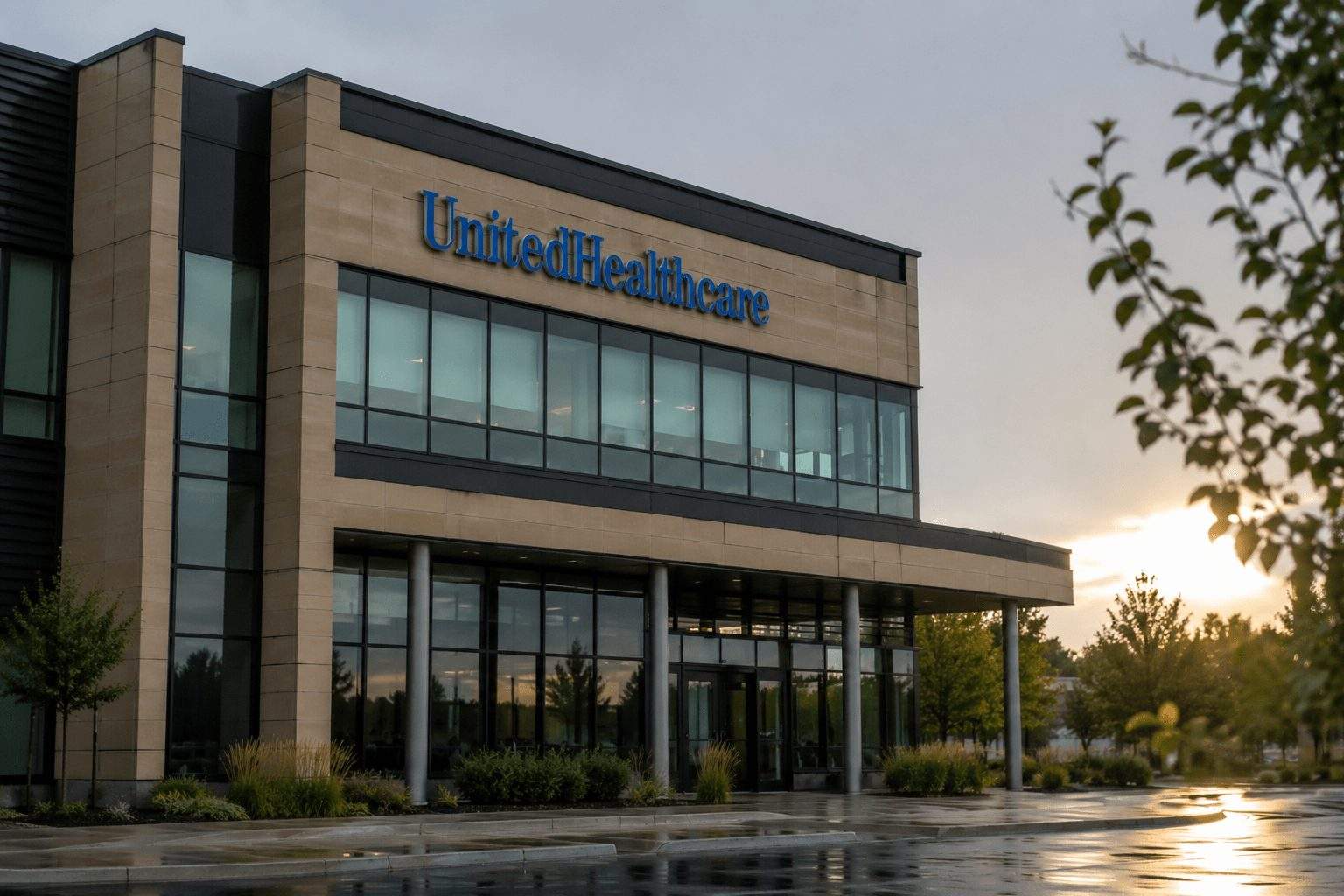
UnitedHealth Group shares climbed Wednesday, catching fresh attention as the company’s insurance business announced it’s dropping prior authorization on a wide range of procedures that still required it. UNH last traded at $367.55, up roughly 1% for the session. The stock moved between $358.24 and $368.50 intraday.
Timing is key here. Prior authorization—when insurers sign off before patients can get certain treatments—has turned into a battleground not just for doctors and patients, but also for policymakers. Investors are paying close attention to whether managed-care firms can ease these headaches without losing grip on cost controls. On Tuesday, Reuters said UnitedHealth plans to drop prior approval for 30% of medical services that still require it.
UnitedHealthcare plans to roll out the cuts by the end of 2026, targeting select outpatient surgeries, some diagnostic tests—including echocardiograms—and certain outpatient therapies along with chiropractic care. According to the company, just 2% of its medical services now need prior authorization, and roughly 92% of those requests get the green light in under 24 hours on average.
UnitedHealthcare CEO Tim Noel called prior authorization “an essential safeguard,” though he added it “should only be used when it truly protects patients and improves care.” The company said it expects over 70% of its prior authorizations to move to a standardized electronic submission process by the end of the year.
The shift comes as the broader industry makes a similar push. Back in April, UnitedHealth and CVS Health announced they’d lined up data and submission requirements for over half their prior authorizations. CVS’s Aetna reported 88% of its authorizations were standardized at that point. UnitedHealthcare emphasized that the updates wouldn’t affect coverage criteria or the medical standards for approving or rejecting care.
UnitedHealth isn’t dealing with the prior-approval cut in isolation. Just last month, the company posted first-quarter revenue of $111.7 billion, with adjusted earnings landing at $7.23 per share. The full-year adjusted profit outlook climbed above $18.25 a share. Medical cost ratio dropped to 83.9%, down from 84.8% in the same period last year.
Analysts saw the report as an early signal of a turnaround for health insurers after a rough patch. Ann Hynes of Mizuho described it as a “positive quarter,” noting that medical cost acceleration seemed to have topped out. Michael Wiederhorn at Oppenheimer, on his end, said UnitedHealth appeared ready to get back to its “beat-and-raise ways.” Reuters
Rival headlines set the tone for trading. CVS jumped over 9% after the company boosted its 2026 profit outlook Wednesday, crediting tighter Aetna medical cost controls and a stronger pharmacy-benefit showing. The Aetna medical loss ratio landed at 84.6%, beating analyst forecasts. UnitedHealth and Humana, on the other hand, have both flagged continued pressure from Medicare Advantage costs.
There’s risk here. Streamlining approval steps might placate frustrated doctors and patients, but it could open the door to scrutiny over utilization if more services slip past with lighter review. UnitedHealth’s first-quarter materials flagged that both utilization and unit-cost trends stayed high, despite the company touting improved medical cost controls.
For UNH stock, it’s not Tuesday’s news that matters most, but how things play out from here. Eyes are on the second-quarter medical cost ratio, the definitive lineup of services dropping prior approval, and whether Medicare Advantage—covering seniors and some disabled Americans—continues the more solid trend seen earlier this year.
Related articles: NYSE:UNH