
New York, May 11, 2026, 13:03 EDT
- NuScale Power was trading up roughly 4.3% to $13.09 early this afternoon, with volume approaching 29 million shares.
- Citigroup lowered its price target on NuScale to $7, down from $9, while maintaining its sell rating, according to MarketBeat, which referenced Benzinga.
- NuScale now faces a near-term test: can it convert regulatory approval, available cash, and ongoing project negotiations into actual binding commercial orders?
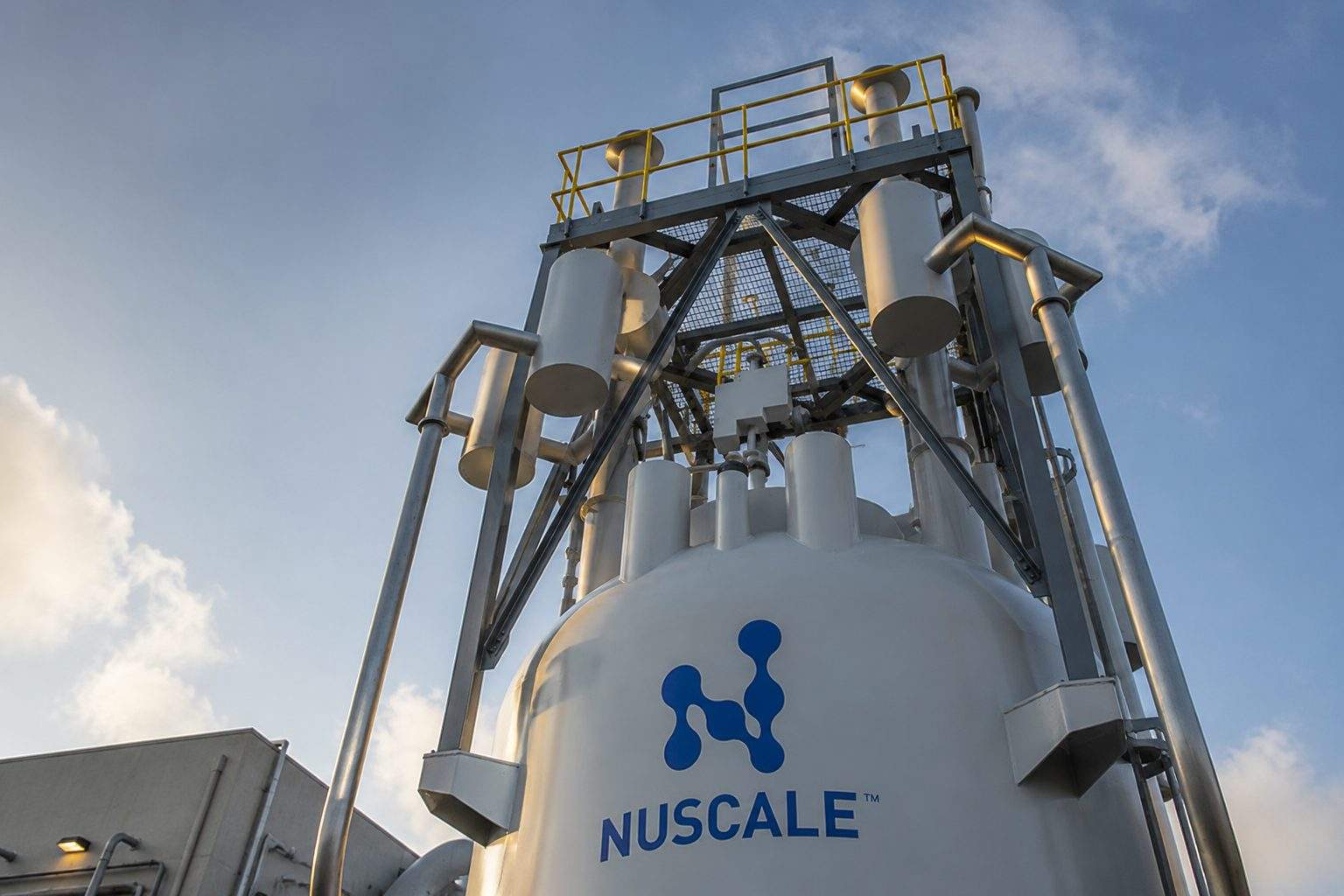
NuScale Power shares climbed Monday, recovering some ground after last week’s earnings drop—though Citigroup’s latest target cut underscored Wall Street’s skepticism toward the small nuclear reactor firm. The stock bounced between $11.83 and $13.47 throughout the day.
NuScale now stands out as a bellwether for small modular reactors — those bite-sized nuclear plants built in multiples instead of massive standalone builds. With data centers hungry for round-the-clock power, the sector has caught fresh attention. Still, investors face a familiar calculus: the growth story is compelling, but the numbers today are slim.
NuScale posted just $565,000 in first-quarter revenue—sharply lower than the $13.4 million it saw a year ago. The net loss also swelled, hitting $46.7 million compared to $30.4 million last year. According to a filing, most of the revenue decline traces back to the absence of earlier RoPower licensing fees and Fluor’s front-end engineering and design work, which didn’t recur in 2026.
NuScale shifted focus to its balance sheet and ongoing projects. The company reported $1 billion in liquidity at quarter’s end. Its partner ENTRA1 Energy is teaming up with the Tennessee Valley Authority to plan as much as 6 gigawatts of NuScale’s small modular reactor capacity. In Romania, SN Nuclearelectrica shareholders gave the nod to the next stage of the RoPower project. “We’re building the infrastructure,” CEO John Hopkins said, as the company prepares for what it views as a market opening. NuScale Power
Still, the real test for revenue hasn’t happened yet. NuScale’s 10-Q notes the TVA-ENTRA1 deal isn’t binding, and moving forward requires one or more long-term power purchase agreements. ENTRA1, according to the filing, also retains full control over picking NuScale for later projects.
This is the sticking point that keeps dogging investors: risk. Any hiccup with TVA, Romanian funding, or equipment agreements, and NuScale could end up stuck as a cash-heavy developer—collecting sporadic service fees—rather than graduating to reactor supplier with steady, repeat business. NuScale’s own disclosures flag plenty of risks: trouble locking in firm deals, the threat of production setbacks, rivals jockeying for position, future losses and the specter of share dilution.
NuScale’s regulatory advantage remains intact. The U.S. Nuclear Regulatory Commission last year signed off on the company’s 77-megawatt reactor design, Reuters reported, following an earlier green light for its 50-megawatt model. That milestone removes a key barrier for NuScale as it pushes to launch the country’s first small modular reactor. Hopkins told Reuters at the time that actual deployment could happen before decade’s end, provided a customer acts fast: “It’s really in the customer’s hands.” Reuters
Rivals aren’t standing still, but they’re not all heading in the same direction. On May 6, Oklo announced its Aurora powerhouse in Idaho cleared a hurdle: the NRC signed off on the principal design criteria topical report. The company says this approval could streamline upcoming licensing and help avoid redundant reviews.
For NuScale, it comes down to landing a binding customer contract—ideally one with TVA or RoPower. That’s the key to flipping regulatory progress into actual equipment sales. Monday’s bounce? It’s not quite a fresh start. Feels more like the market recalibrating the existing bet: nuclear demand is up, but NuScale’s timeline for getting paid remains an open question.
Related articles: Stock Market