
Sydney, May 12, 2026, 19:18 AEST
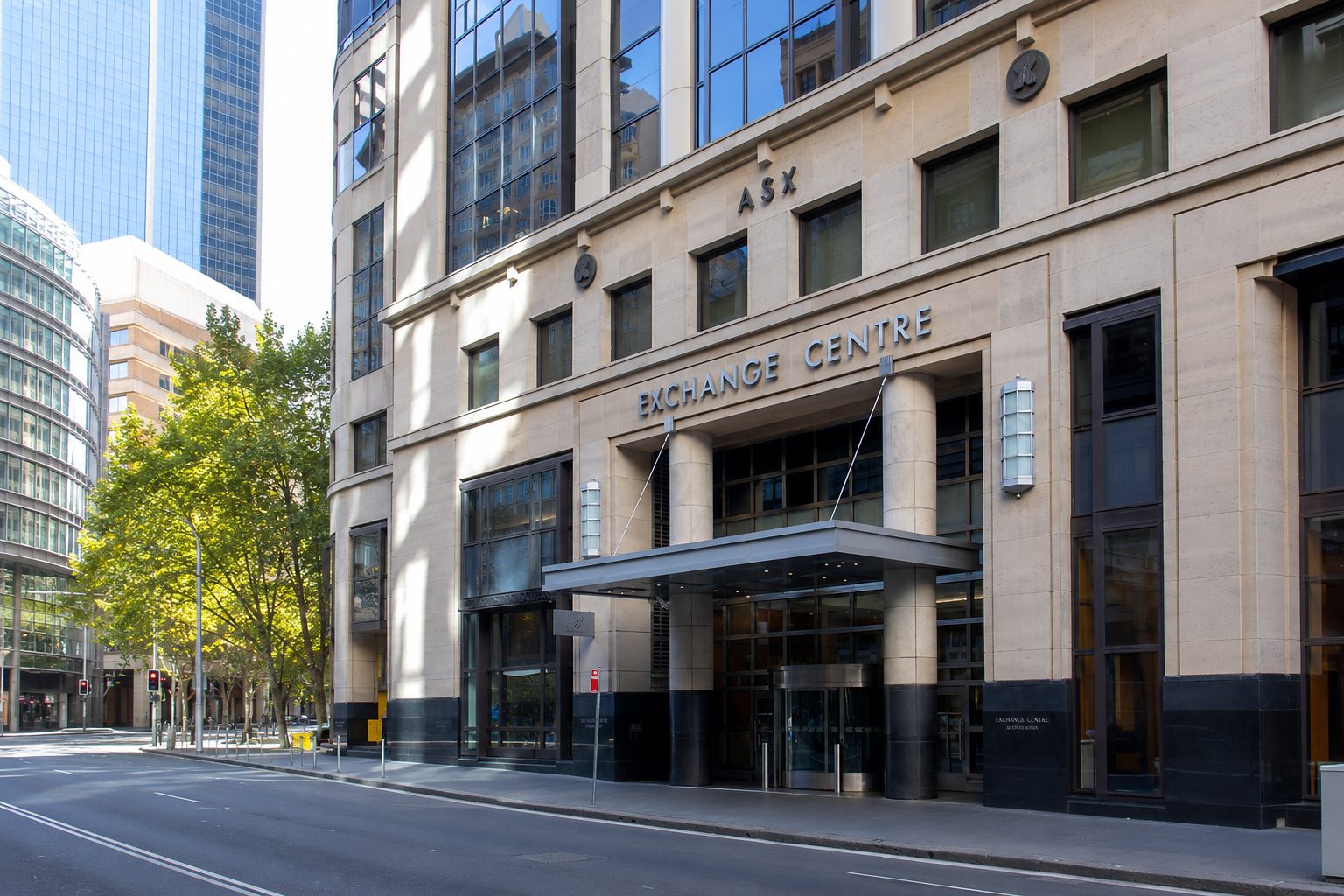
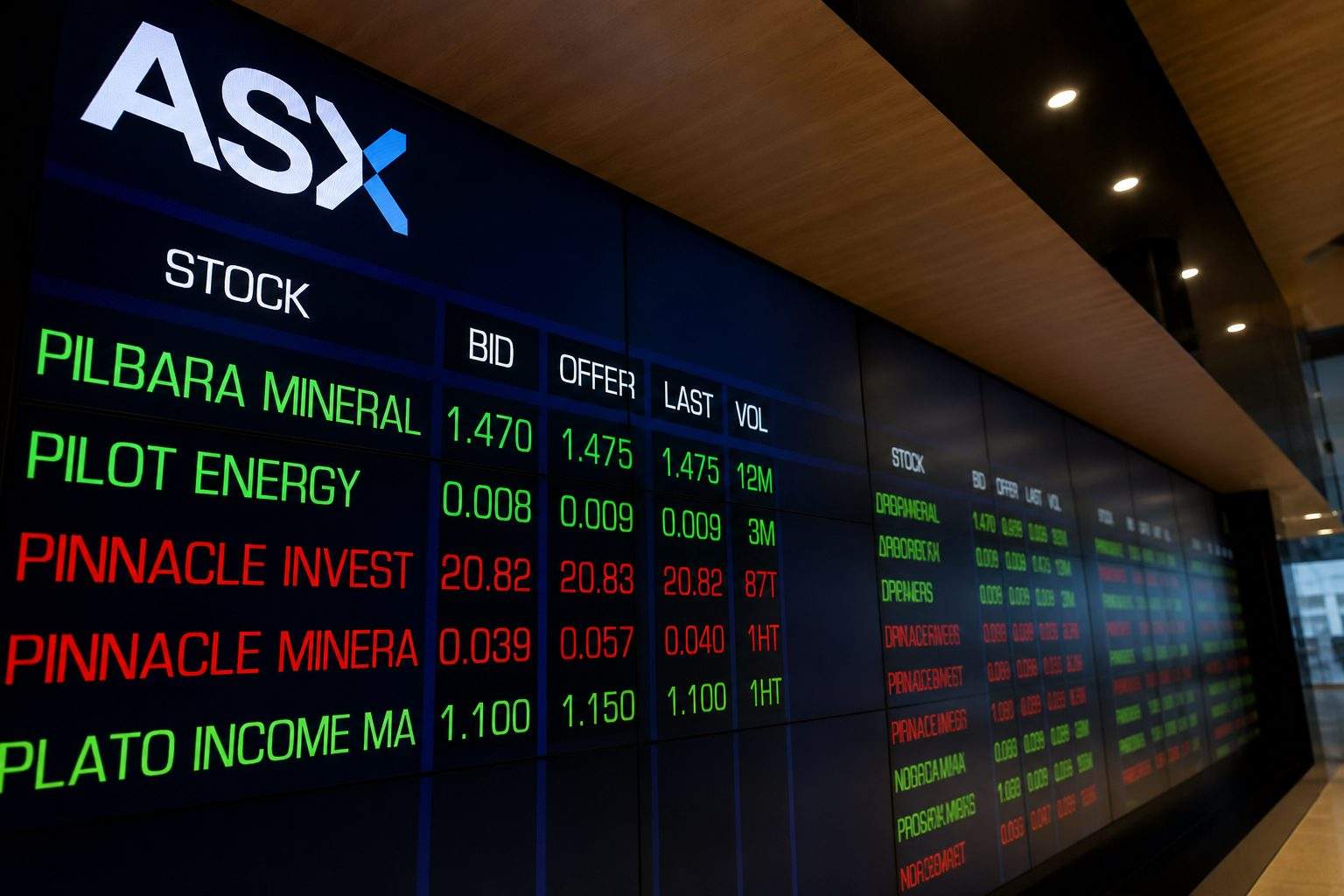
Australian shares slipped for a third session in a row Tuesday, weighed down by falls in banks, tech names and CSL. Investors trimmed exposure ahead of a federal budget that could shake up property, tax, and inflation policy. The S&P/ASX 200 shed 31.1 points, or 0.36%, to finish at 8,670.7. Decliners outnumbered advancers 200 to 86 on the wider S&P/ASX 300.
Timing was key here. Treasurer Jim Chalmers was set to hand down the budget at 19:30 AEST. Treasury figures put the budget bottom line A$44.9 billion ahead of the forecasts made in December. Market watchers expect the budget to touch on capital gains tax discounts and tweak negative gearing—allowing property investors to write off rental losses against taxable income.
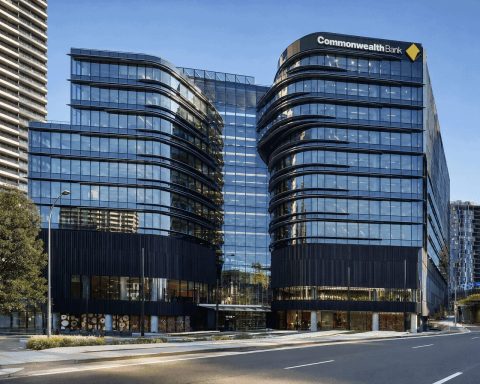
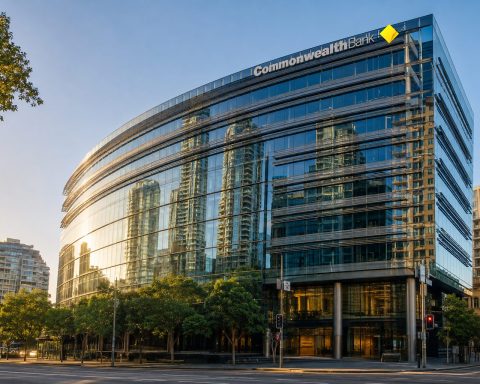
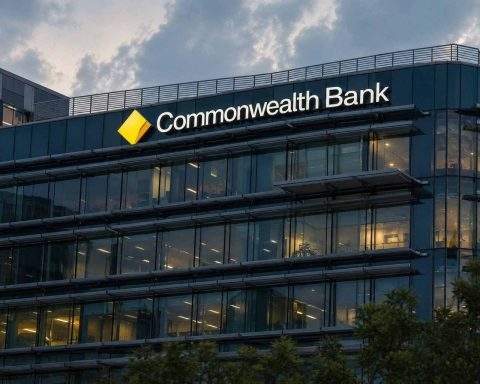
Banks were out front on the downside. ANZ and National Australia Bank slipped 2.1% apiece. Commonwealth Bank and Westpac each shed 1.4% as questions swirled about how property-tax tweaks might hit mortgage demand. According to Market Index, property investors accounted for roughly 40% of mortgage applications in 2025.
Tech dragged. ASX’s information technology sector shed 3.4%, with Life360 plunging 10.9% to A$17.92—this after the company trimmed its user-growth outlook, blaming a third-party anti-fraud tool that mistakenly flagged real users and slowed new signups. WiseTech Global was off 5.9%. SiteMinder gave up 6.0%.
Life360 shares didn’t tumble just because of an earnings whiff. First-quarter revenue climbed 38% to US$143.1 million, and management even bumped up 2026 guidance to US$650 million–US$685 million, from the previous US$640 million–US$680 million range. CFO Russell Burke pointed to that same 38% year-over-year jump in quarterly revenue. Still, investors brushed off the numbers and zeroed in on weaker user growth, sparking the selloff.
DroneShield drew sharp focus on the tape after an ASX filing landed at 10:41 a.m. AEST. According to the company, ASIC has asked it for reasonable assistance as part of a probe into ASX announcements from Nov. 1 to Nov. 20, and trading activity between Nov. 6 and Nov. 12. Management said “it was not clear” whether this would lead to any action. Market Index
DroneShield shares slumped 11.3% to A$3.13 by 11:10 a.m., The Australian reported. The stock later closed at A$3.18, down 9.9% for the session, after dipping as low as A$2.95. Despite the pullback, shares remain well above levels seen a year ago, though they’re still a long way from the October high.
Miners put a floor under the index. Materials rallied 2.4% after COMEX copper futures hit an all-time high, closing above US$6.45 a pound overnight, then edging off those highs in Asia. BHP advanced 2.5%, grabbing back the ASX’s top spot by market value. Rio Tinto jumped 3.1%, South32 tacked on 3.6%, and Sandfire Resources finished up 3.1%.
Oil mostly took a back seat, and not for upbeat reasons. Brent held above US$105 a barrel, with inflation nerves still on edge as Middle East tensions lingered. A handful of oil stocks saw a boost, but that energy lift didn’t spread across the sector. Investors remain focused on whether pricier fuel could push up rates or pinch consumer wallets.
Macro data disappointed. NAB’s latest survey had business confidence unmoved at -24 for April. Purchase costs picked up, jumping 4.5% for the quarter, while retail price growth hit 3.2%. “Rising prices and margin pressure are starting to bite—activity and investment measures are feeling it,” NAB economist Michael Hayes said. Reuters
The ASX 200 remains parked on the weaker end of its recent band, without a decisive breakdown. For five weeks now, IG notes, the index has hovered around its 200-day moving average—currently at 8,804. Support sits at 8,620 to 8,600, while resistance appears up at 9,020 to 9,030. The market ended Tuesday at 8,670.7, right by support but not under it.
Bulls are holding onto Australia’s commodity edge. Demand for miners remains solid, thanks to copper and iron ore, plus budget windfalls landing in government coffers. Heath Moss, portfolio manager at HLM Investments, pointed out the budget appears set to spare infrastructure, healthcare, and resources—even as it turns up the heat on rate-sensitive sectors.
It’s the rates that pose the bear case. The Reserve Bank of Australia bumped its cash rate up to 4.35% last week—making it the third increase this year—and flagged that inflation could linger, with the Middle East oil shock still filtering through. HSBC’s chief economist for Australia and New Zealand, Paul Bloxham, warned that a turn toward expansionary fiscal policy might force the RBA into further hikes, upping the threat of recession.
Banks are up next for scrutiny, with CBA set to issue results on Wednesday—investors will be looking closely at margins, arrears, and credit appetite. ANZ managed to top estimates, but NAB and Westpac came in soft. Against a backdrop of budget reforms and robust commodities, that update could determine if the 8,600 mark sticks.
Related articles: ASX:CBA

![US Stock Market Today 08/28/2026 [UPDATE: 00:10 EDT] [Marvell Holds 7.8% Loss Despite Raised Revenue Targets]](https://ts2.tech/wp-content/uploads/2026/08/US-market-dashboard-2026-08-28-0009-480x384.jpg "US Stock Market Today 08/28/2026 [UPDATE: 00:10 EDT] [Marvell Holds 7.8% Loss Despite Raised Revenue Targets]")


![Australia Stock Market Today 28/08/2026 [UPDATE: 13:36 AEST] [Banks and BHP Lift ASX as WAM, PEXA Sink 18%]](https://ts2.tech/wp-content/uploads/2026/08/AU-market-dashboard-2026-08-28-1334-480x384.jpg "Australia Stock Market Today 28/08/2026 [UPDATE: 13:36 AEST] [Banks and BHP Lift ASX as WAM, PEXA Sink 18%]")