
London, May 12, 2026, 10:42 BST
- Brent hovered close to $107 a barrel while WTI sat just above $101, the gains fueled more by fresh anxieties over prolonged Middle East supply disruptions than any obvious jump in demand.
- Physical supply remains the main concern. OPEC’s production dropped 830,000 barrels per day in April. Saudi Aramco has also flagged that the market could be short by around 100 million barrels a week if the Hormuz chokepoint stays closed.
- Market views are divided. Bulls argue Brent could push back up to $115, but the bear camp flags demand rationing, softer fuel use in Asia, and the threat that elevated prices will choke off consumption.
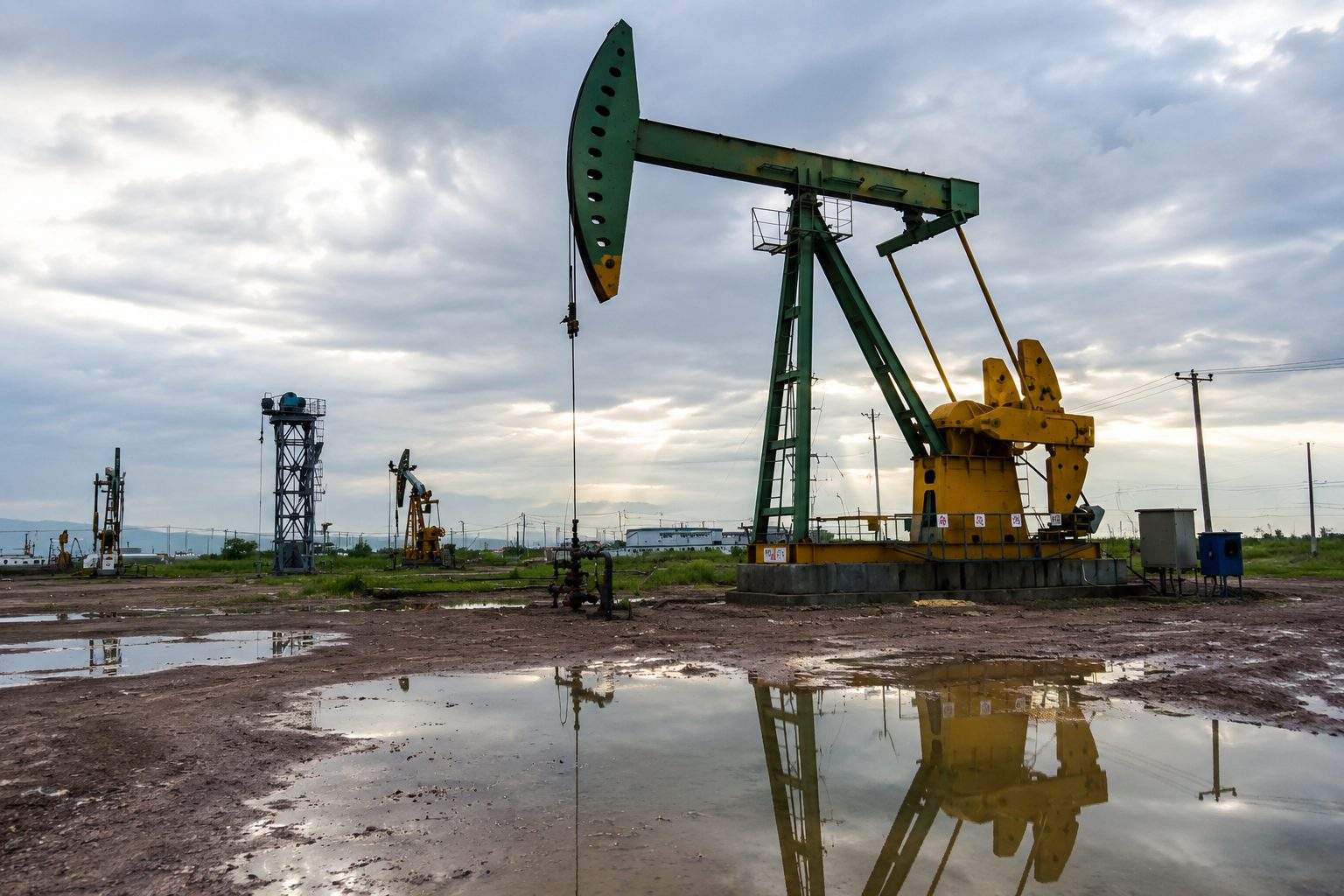
Oil climbed once more on Tuesday, with Brent trading near $107 per barrel and West Texas Intermediate holding around $101. The move isn’t about demand—this is about supply threats, and there’s a clear sense of caution.
What set things off was the market losing hope for any swift U.S.-Iran deal. According to Reuters, big sticking points remain between Tehran and Washington. Iran, for its part, repeated its stance on controlling the Strait of Hormuz — that chokepoint channeling roughly a fifth of the world’s oil and LNG. That’s the move traders made: barrel prices jumped as supply jitters took hold.
The risk premium—the added cost traders fork over to hedge against uncertainty—now stacks up alongside a real drop in production. OPEC crude output tumbled by 830,000 barrels a day in April, reaching just 20.04 million bpd. That’s a level not seen in over twenty years. This, despite some OPEC+ members aiming to boost output. Quotas only go so far when tankers are stuck in port.
Saudi Aramco CEO Amin Nasser played down the headline drama, framing the issue as a shipping bottleneck. Speaking to analysts, Nasser said daily vessel traffic through Hormuz had dropped to just two to five, a steep fall from the typical 70. That slowdown is costing the market about 100 million barrels a week, by his estimate. Nasser described this as “demand rationing”—not demand destruction. Reuters
The bullish argument is straightforward: if disruption in the strait persists and negotiations stretch out, inventories dwindle, replacement crude is slow to show, and Brent could steadily approach the EIA’s second-quarter target of $115 per barrel. The agency’s baseline keeps production shut-ins at 6.7 million bpd for May—even assuming traffic picks up slowly.
Demand sits at the heart of the bear case. The IEA now sees global oil demand shrinking by 80,000 bpd in 2026—a stark reversal from earlier growth forecasts. It’s calling for a 1.5 million bpd slide in the second quarter. Put simply: higher oil prices are cutting into consumption, hitting aviation, petrochemicals, and sensitive Asian buyers the hardest.
Prediction markets aren’t betting on a quick resolution either. Right now, Polymarket has the odds of Hormuz traffic normalizing by the end of May at just 11%, and by June’s close, only 34%. On Kalshi, traders have priced in a 41% chance that things are back on track before August, creeping up to 50% before September. It lines up: oil rallies whenever talks stall.
Energy players are feeling the shock differently. Roughly 20% of Exxon Mobil’s output is tied to the Middle East, compared with less than 5% for Chevron. Exxon CEO Darren Woods told analysts the market “hasn’t seen the full impact” yet. Chevron, exposed to the region on a smaller scale, still benefited: upstream profits got a lift from stronger prices, though other divisions took a hit from accounting quirks. Reuters
The divergence among peers is something investors can’t ignore. When Brent trades high, producers sitting on secure supply see a windfall, but those with stuck cargoes, unhedged LNG, or refineries whipsawed by sharp swings face pressure. This played out in Exxon’s latest numbers: more barrels out of Guyana and the Permian made a difference, but net income still felt the drag from Middle East instability and cargoes that didn’t arrive.
It could get wild in either direction from here. Tim Waterer at KCM Trade said an actual peace deal might knock $8 to $12 off prices, but if things heat up instead, Brent could charge back above $115. That spread isn’t just for dramatic effect—it’s what happens when the value of a barrel hinges on whether one ship clears a chokepoint or not.
Oil right now is acting like a political instrument—supply lines scribbled in the margins. Demand is already starting to give a little, but the immediate question is more basic: are shipments even making it through? Unless that clears up, pullbacks could attract buyers. Still, each climb in price boosts the chances that policymakers or drivers start to clamp down on consumption more aggressively.