
LONDON, May 12, 2026, 10:43 BST
- Google’s new AI-powered Google Finance is launching across Europe, now featuring support for local languages.
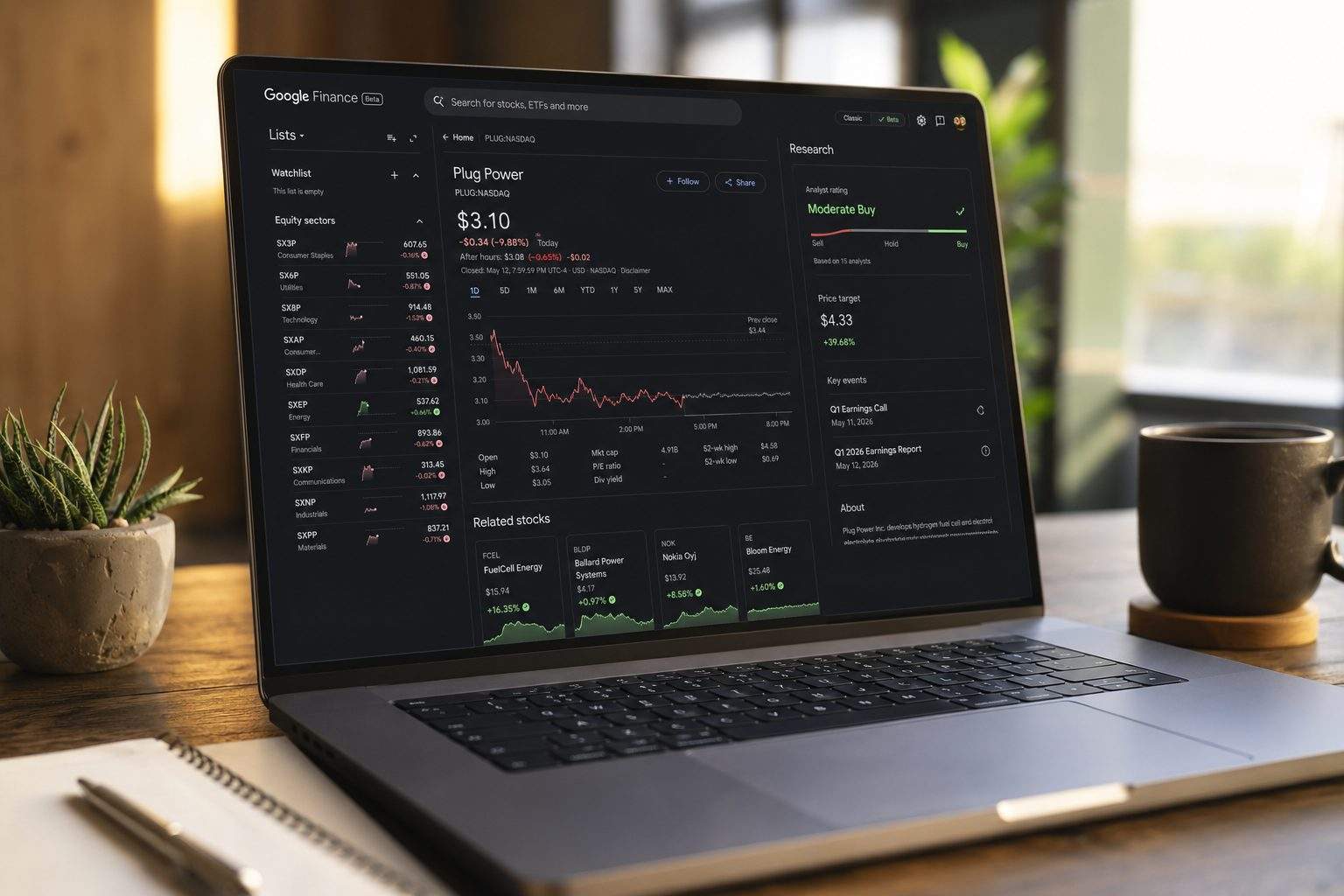
- With the upgrade, users get access to AI-driven research, more advanced charting, real-time market data, plus a live earnings-call function.
- Financial-data firms are rushing conversational AI into their market research offerings, just as EU regulators edge nearer to enforcing new AI transparency laws.
Google is bringing its revamped, AI-driven Google Finance to users across Europe this week, rolling out local-language features like market research, charting, and earnings-call tools, the company said. This is the widest launch for the updated service since Google took it outside the United States late last year.
The shift in timing is notable. Financial research now leans less on static quote pages and charts, and more on natural-language tools—where users fire off questions, ask for explanations of market moves, compare stocks, or get company results summed up in straightforward English.
The move comes as artificial intelligence investments hit a pricey stretch. Alphabet has revealed it’s gearing up for its first yen bond sale, while Amazon is lining up a Swiss franc deal, according to Reuters on Monday. Big tech needs cash—AI infrastructure doesn’t pay for itself.
Google’s European rollout packs in AI tools for researching stocks and tracking market trends, plus new technical indicator charts. The news feed gets an overhaul. Commodities and crypto data see wider coverage. Also in the mix: live earnings calls now come with synchronized transcripts, audio, and AI-driven takeaways.
Philipp Justus, who heads Google’s operations in Germany and serves as vice president for Central Europe, announced on LinkedIn that the service is set to support German, Italian, Polish, Dutch, Spanish, plus “many more” local languages. He called the launch “a suite of capabilities to help you navigate the financial world with ease.” LinkedIn
Google said its Deep Search feature has rolled out worldwide on Google Finance. Deep Search refers to a more comprehensive AI-powered research tool that scours multiple sources, runs extensive queries and delivers a cited response, rather than a simple summary.
Back in November, Robert Dunnette, who heads product management for Search at Google, said the company’s Gemini models are capable of running “up to hundreds of simultaneous searches” on tricky finance queries, and can return a cited answer “in just a few minutes.” That same round of updates brought in prediction-market data from Kalshi and Polymarket, plus an earnings feature for users in the U.S. The new Google Finance also made its debut in India, available in both English and Hindi. blog.google
According to Google’s support page, users with access to the new setup are able to toggle between Classic and Beta modes. The AI tools, as described, offer summaries of market trends, highlight bullish or bearish sentiment around a security, and assist in tracking earnings calls or financial statements.
Google’s latest step edges it nearer to what the pro data platforms offer, but it’s not quite there yet. Bloomberg, for its part, has been touting ASKB, the AI chat feature for its Terminal. LSEG, meanwhile, has teamed with Microsoft to integrate licensed financial data into Copilot, plus Teams and Excel.
Google holds an advantage when it comes to reach, but trust remains a sticking point. Retail investors might appreciate the fast takes on stock moves, yet those AI-powered market summaries sometimes gloss over context, or lean heavily on what’s readily available—turning a tenuous link into something it’s not.
Europe is tightening the screws again. The European Commission confirmed that AI transparency requirements kick in August 2026: users must get notified when they’re dealing with AI, and some kinds of generative AI content will need clear labeling.
Google’s European rollout didn’t include brokerage or trading capabilities. At this stage, Google Finance sticks to its roots as a research and market data tool, though with AI now sitting right alongside the initial questions investors typically raise.
Related articles: NASDAQ:GOOGL