New York, May 13, 2026, 04:09 ET
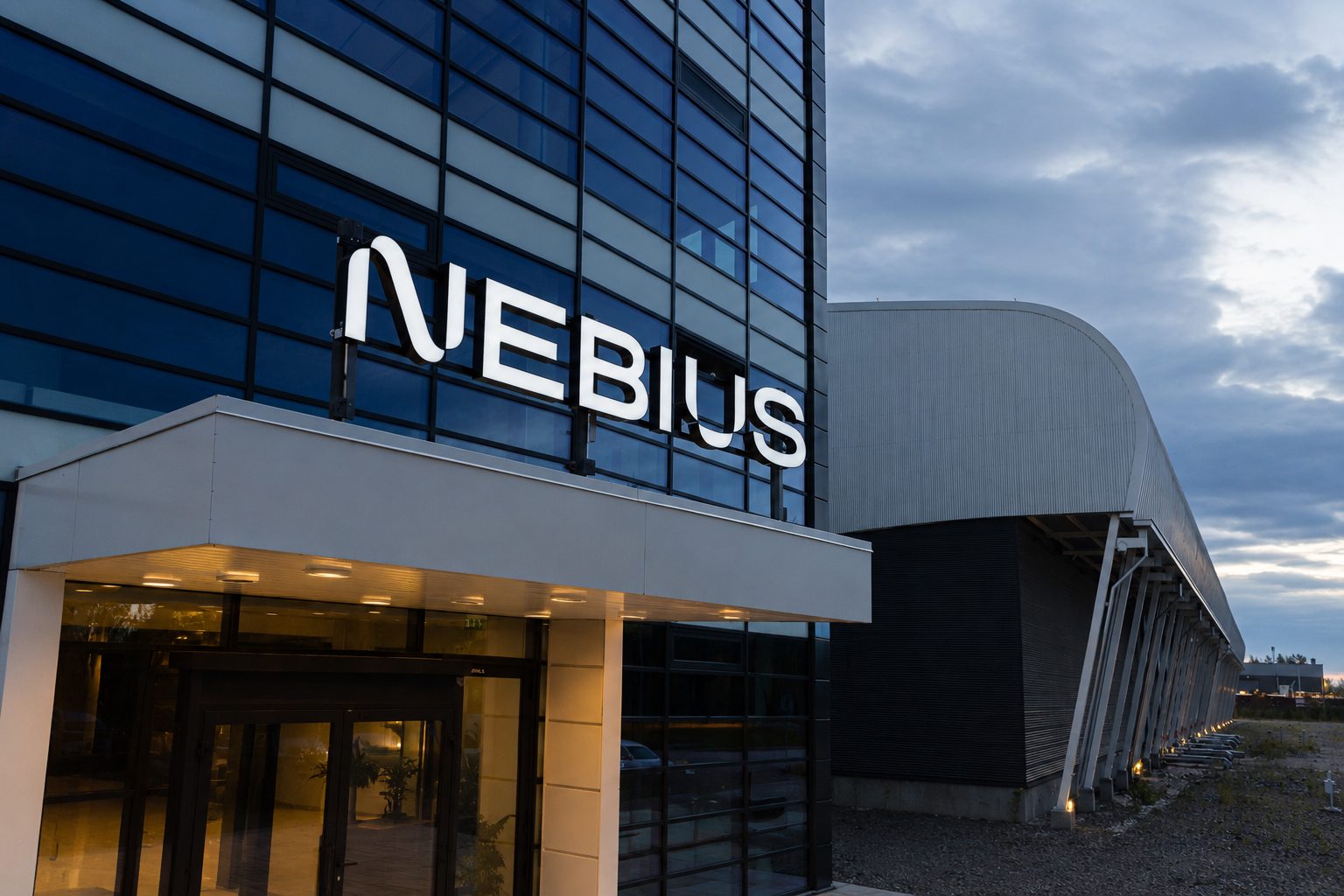
- NBIS ticks up in early after-hours trade, rebounding from Tuesday’s steep decline. Investors are reacting to new AI-factory updates while bracing for a Q1 earnings release set for before the bell.
- Demand isn’t the sticking point here. The real question is execution—access to power, GPUs, build-out pace, and just how much fresh capital Nebius needs to chase down next.
- Bulls cite Meta and NVIDIA, along with added U.S. capacity. Bears flag valuation concerns, mounting losses, and hefty capex—spending on data centers, chips, and other big-ticket assets.
Nebius Group shares ended Tuesday at $179.11, a drop of 3.76%. By 4:06 a.m. Eastern in after-hours trading, the stock had bounced to $185.42, up 3.53%. Investors are bracing for the Q1 earnings release before the bell, with the company’s call scheduled at 8:00 a.m. ET.
This isn’t happening by chance. Traders are juggling a pair of signals: Tuesday brought evidence that Nebius is actually ramping up its AI infrastructure in the real world, but there’s also a pushback—concern that this same expansion will keep burning through cash. NBIS has already seen a major rally; according to TradingView, shares have surged 32.79% in the last month and a staggering 454.18% over the year, hitting a record $197.89 just last week.
Fresh headlines from Nebius skew positive. On Tuesday, the company started building its first U.S. gigawatt-scale AI factory in Independence, Missouri. The 400-acre site is projected to create about 1,200 construction jobs, plus 130 full-time high-tech roles, and generate $650 million in local tax revenue over two decades. The company’s entire stock story hinges on whether it can lock in enough power and get these data centers running quickly for major AI clients.
The second headline’s a bit more technical, but still significant. Nebius is bringing on Clarifai founder Matthew Zeiler, together with a core group from Clarifai’s engineering and research side. Clarifai’s inference and compute orchestration technology will be licensed to Nebius, according to the announcement. Inference—the part where trained AI models are actually put to work—could end up fueling a big chunk of future cloud demand if AI applications keep hitting production scale.
This is what makes today’s chart tricky. Investors have bet on Nebius as a potential “neocloud” leader—AI-focused, not just another general cloud play. Still, Q1 revenue is forecast at $375.13 million, and Wall Street expects an EPS loss of $0.81. The company will have to convince the market that its pace of growth is outpacing pressure on its finances. MarketBeat
The bullish argument sticks out: Nebius holds a long-term Meta deal valued at up to $27 billion—$12 billion of that for dedicated capacity, which kicks in starting early 2027. Back in March, CEO Arkady Volozh said the company would “continue to deliver.” NVIDIA, having put $2 billion into Nebius, has stated the partnership could let Nebius roll out more than 5 gigawatts of NVIDIA systems by 2030. Nebius Nebius
The bear argument leans on the same numbers. These are massive transactions, but the scale of buildout required is just as daunting. Nebius wrapped up a $4.3375 billion convertible-note sale in March, earmarking the funds for new data centers, AI cloud expansion, a bigger physical footprint, and more GPUs. Convertible notes—debt with the option to convert into equity—give Nebius capital up front. But if the stock performs, existing shareholders could see dilution down the road.
Nebius wrapped up 2025 with an annualized revenue run rate hitting $1.25 billion—that’s just monthly revenue times 12. Management isn’t shy about expectations, setting guidance at $7 billion to $9 billion for year-end 2026. The company faces scrutiny as it tries to ramp up from 170 megawatts of capacity at the close of 2025 to anywhere between 800 megawatts and 1 gigawatt, all while planning to pour $16 billion to $20 billion into capex for 2026.
Peer numbers highlight the split in investor thinking. CoreWeave, widely seen as the public AI-cloud peer to watch, turned in Q1 revenue of $2.078 billion and reported a $99.4 billion revenue backlog, with active power running above 1 gigawatt. The catch: the company also logged a net loss of $740 million. For NBIS, that’s not exactly reassuring—massive demand doesn’t automatically mean profits.
Applied Digital runs a similar play, but its focus is AI data-center campuses and cloud infrastructure. Demand isn’t the problem for the sector. The real pinch comes from expensive power, limited execution leeway, and thin investor patience. That’s what lets Nebius pop on big announcements but still tumble if the market starts questioning where the cash for the next step will come from.
Prediction markets kick in with a bit of macro context here. Polymarket traders are pricing in a 68% chance of no Fed rate cuts in 2026. Over in another contract, there’s a 27% probability on a Fed rate hike this year. That’s not trivial—tougher rate policy cranks up the pressure on funding for capital-heavy AI projects. Elsewhere, Polymarket has Nebius sitting at 19% odds to get acquired before 2027. Tail-risk, sure, but not the headline in the stock today. Polymarket Polymarket
The table’s set. Bulls are watching for proof that Meta, NVIDIA, the Missouri site—all of it—has translated into real contracts, locked-in cash, and actual near-term top line. Bears, though, just need a stumble: any wobble in cash flow, delays, or a capex miss, and they’ll pounce, claiming the stock’s baked in too much hope already. Q1’s not just another print today. The release needs to show the factory narrative still leads, not lagging behind the fundraising tale.