LONDON, May 15, 2026, 08:48 (BST)
- Spot silver slid 5.9% to $78.53 an ounce, pressured as rising oil prices stoked inflation concerns, driving up U.S. yields and the dollar.
- With rate-cut hopes fading, a key support for non-yielding metals like gold and silver has disappeared.
- Forecasts are scattered—LBMA analysts expect an average of $79.57 for 2026, but HSBC puts it lower, sticking with $75.
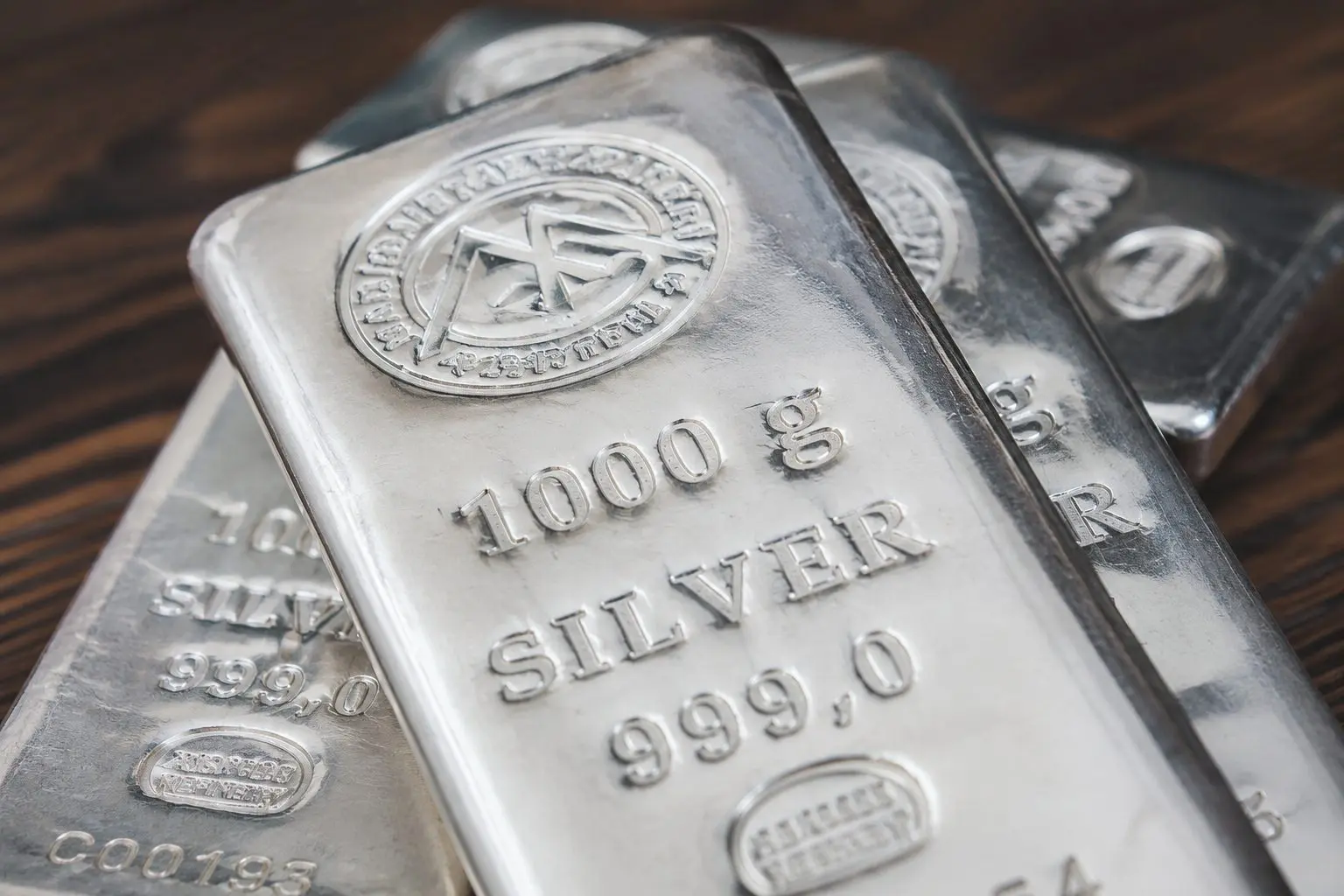
Silver slipped under the $80 mark on Friday, marking a steep slide for precious metals as oil’s rally rekindled inflation worries and sent investors flocking to the dollar. Spot silver tumbled 5.9% to $78.53 an ounce as of 0631 GMT. Gold, platinum, and palladium also retreated.
This shift is grabbing attention, since silver’s surge has been fueled by two main forces: investors chasing hard assets, and a squeeze in the physical supply. But higher U.S. yields? That hits the hard-asset play quickly. Silver—just like gold—doesn’t throw off any interest, so when bond yields climb, holding onto it gets more expensive.
Oil’s been the catalyst lately. Brent crude jumped 6.2% this week, sticking above $106 a barrel, according to Reuters, with the Iran war fueling tension across energy markets. The dollar climbed over 1% this week, which pushes up costs for buyers of dollar-priced metals outside the U.S.
“Bullion’s getting hit from all sides,” said Tim Waterer, chief market analyst at KCM Trade, pointing to oil, yields, and the firmer dollar. Silver isn’t gold, but it takes many of the same macro cues—then swings even harder, thanks to its thinner market.
Futures had buckled earlier. On Thursday, Comex silver tumbled 4.47% to close at $84.912 per ounce—the steepest single-day slide since March 26. Still, prices hold onto a year-to-date gain topping 21%.
Little support came from rate markets. DeFi Rate’s live feed showed odds at 97.4% for the Federal Reserve keeping rates steady in June, with Kalshi slightly lower at 96.5%, and Polymarket even higher at 97.7%. For the probability of no Fed cuts through 2026, the same feed showed 57%.
On Polymarket’s “Fed rate cut by…?” contract, traders are tilting toward a later cut—December stands at 28%, October at 25% as the most likely timing for the first move. For silver, that doesn’t exactly set up a bullish short-term case. Polymarket
Forecasts are clustering near spot levels, but opinions are all over the map. The LBMA’s 2026 survey shows analysts calling for an average silver price of $79.57, with the expected range as wide as $42 to $165. Out of 26 surveyed, 17 anticipate silver will take out $100 sometime this year. The most bearish call came from TD Securities’ Bart Melek, while Julia Du at ICBC Standard Bank landed at the top of the bullish camp.
HSBC isn’t getting swept up in the silver rally. James Steel, chief precious metals analyst at the bank, puts his forecast at $75 on average for 2026 and $68 for 2027, with year-end targets of $70 and $65 respectively. “Moderating deficits” just won’t cut it for a major breakout, Steel said; he expects mine and recycling output to climb while industrial and jewellery demand loses steam. Investing.com
Physical supply stands out for the bulls. According to the Silver Institute and Metals Focus, the sector faces its sixth consecutive annual deficit—stocks have dropped by 762 million ounces since 2021. “Risks of another liquidity squeeze” are still on the radar, even though London lease rates have mostly settled down, says Philip Newman, managing director at Metals Focus. Reuters
The risks on the downside stand out. As prices climb, habits shift—the Silver Institute projects industrial fabrication will dip in 2026. Jewellery and silverware demand isn’t escaping the squeeze, either. Should U.S. yields remain elevated and the dollar stay solid, while manufacturers continue to trim silver consumption, rallies could falter, deficit or not.
So, for now, silver’s direction hinges more on interest rates than on industrial demand. If the dollar weakens or traders revive bets on rate cuts, deficit worries might come roaring back. But if the Fed sticks to “higher for longer,” silver faces headwinds—and the market’s about to see if physical shortages are enough to stop prices sliding.