New York, May 15, 2026, 11:25 EDT
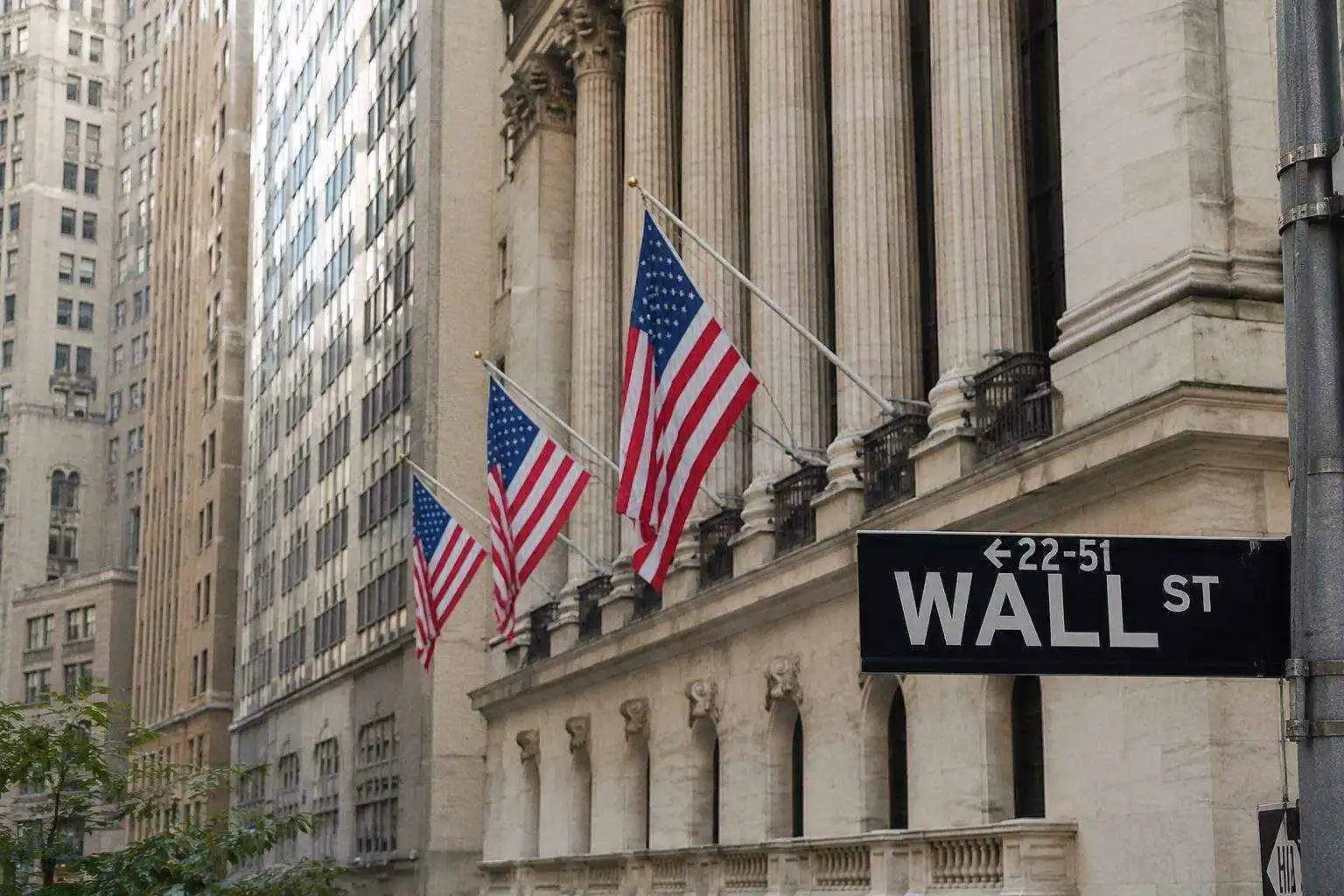
Stocks slipped on Friday, with the Nasdaq under the most pressure as surging oil and higher Treasury yields threatened the AI-fueled surge from earlier this week. By late morning, the Dow Jones Industrial Average lost 0.82% to 49,652.90, the S&P 500 retreated 0.80% to 7,441.37, and the Nasdaq Composite tumbled 1.25% to 26,303.15.
The pullback stands out this time—routine profit-taking doesn’t quite explain it. Yields on longer-dated Treasuries shot up to year highs, pushing the 10-year benchmark to 4.568%. That’s a fresh squeeze on borrowing costs and spells trouble for growth stocks relying on projected earnings.
Oil markets pushed higher. Brent climbed 2.4% to $108.22 a barrel, with U.S. West Texas Intermediate also advancing 2.4% to $104.03, after remarks by U.S. President Donald Trump and Iran’s foreign minister diminished the likelihood of a swift resolution to ship attacks and seizures near the Strait of Hormuz.
Inflation pressures kept building. According to the Labor Department, April’s consumer price index climbed 0.6%, putting the year-over-year increase at 3.8%. Core CPI—excluding food and energy—was up 2.8% from a year ago. Energy prices jumped 17.9% over the 12-month period.
Producer prices didn’t help sentiment. The Labor Department reported that its producer price index climbed 1.4% in April, putting the annual gain at 6.0%. Stripping out food, energy, and trade services, final demand prices ran up 4.4% over the past year.
Kiran Ganesh at UBS Global Wealth Management told Reuters that markets had started to “price in some risk” of central banks hiking rates. That shift slammed the stocks that had driven recent gains: Nvidia and AMD both tumbled over 4%, while Intel sank 6.8%. The Philadelphia semiconductor index dropped 4%. Wall Street’s fear barometer, the Cboe Volatility Index, climbed to 18.8. Reuters
Prediction markets are still pointing to the Federal Reserve holding rates steady in June, with traders leaving scant space for any surprises on inflation. Kalshi’s contracts gave a 96% chance the Fed won’t move, and just a 3% shot at a quarter-point cut. Over on Polymarket, the odds of “no change” sat at 98%. One basis point equals one-hundredth of a percentage point. Kalshi
The picture for U.S. consumers wasn’t as straightforward. April retail sales climbed 0.5%, matching forecasts, with core retail sales up the same amount. Still, according to Reuters, that bump partly came from steeper prices, not actual spending strength. Import prices surged 1.9% in April.
Next week’s earnings are now squarely in the spotlight. Nvidia’s report lands Wednesday. Walmart, Home Depot, Target, and TJX are also on deck, offering a pulse check on consumer spending. The key for retailers, PNC Financial’s Yung-Yu Ma said, is simple: “how resilient is the consumer?” Reuters
Still, it’s not a one-way street. Should the Strait of Hormuz reopen sooner, oil prices fall, or data come in softer, bonds might stabilize, and tech stocks could find some relief. On the flip side, if energy costs keep seeping into May inflation and yields climb higher, markets may start factoring in not only a drawn-out Fed pause, but also the chance of even tighter policy ahead.
Right now, it’s a tough spot for markets: while investors are still chasing the AI trade, it’s inflation concerns that are steering the tape.