NEW YORK, May 16, 2026, 09:05 EDT
- Delta fell 1.84% to $70.23 at Friday’s close and dropped 4.23% this week, but then bounced 3.2% to $72.45 in late trading after Berkshire revealed its stake.
- Berkshire Hathaway, Warren Buffett and National Indemnity disclosed in a Schedule 13G that they owned 39.8 million Delta shares, or 6.1%, at the end of March.
- U.S. markets shut for the weekend, with the NYSE set to reopen for its core session from 9:30 a.m. to 4 p.m. ET. Traders are looking to Monday’s open.
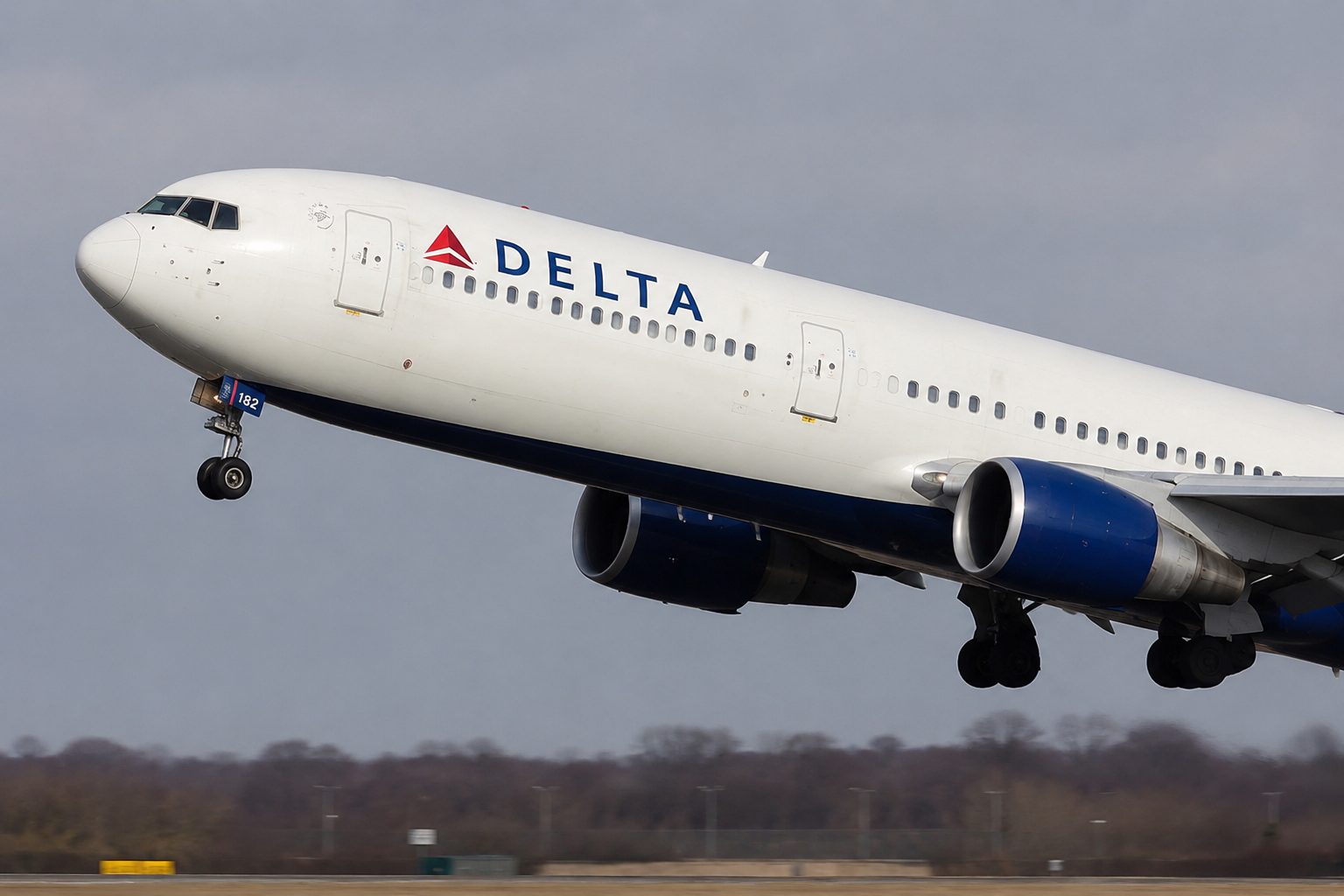
Delta Air Lines heads into Monday trading after Berkshire Hathaway revealed a quarter-end stake worth about $2.65 billion, setting off new chatter on Wall Street over airline stocks as fuel prices weigh on the sector. Delta dropped during Friday’s regular session but moved higher in after-hours trading, where thin liquidity often leads to sharper swings.
This is key now with cash equity trading closed until Monday, leaving investors without a full session to react to the filing. Stocks fell on Friday. The S&P 500 was down 1.2%, the Dow slid 1.1% and the Nasdaq lost 1.5% after oil prices climbed and weighed on sentiment.
Berkshire Hathaway Inc., Warren E. Buffett, and National Indemnity Company disclosed joint voting and dispositive power over 39,809,456 Delta shares in a Schedule 13G filing. The filing characterized the shares as a passive stake, stating they weren’t acquired to change or influence Delta’s control.
This is a big shift in how Berkshire is playing the sector. Berkshire had owned 11% of Delta and also big stakes in American Airlines, Southwest Airlines and United Airlines, but dumped them all in April 2020. That was when Buffett said “the world had changed” for aviation, early in the pandemic. Reuters
Delta shares finished Friday with a smaller drop than some rivals. United slid 3.30% and American lost 3.07%. Over five days, Delta was down 4.23%, according to MarketScreener.
The investment comes as the company’s narrative looks firmer than its cost base suggests. Delta said in April its March-quarter revenue set a record at $14.2 billion. For the June quarter, Delta forecast low-teens revenue growth with flat capacity, pointing to strong travel demand and capacity cuts. “Power of our brand,” said CEO Ed Bastian. Chief Commercial Officer Joe Esposito pointed to “broad demand strength across corporate and leisure.” Delta Air Lines
Jet fuel costs are becoming a bigger problem. According to a Reuters industry roundup on Friday, prices climbed from $85-$90 to $150-$200 a barrel during the U.S.-Israeli war against Iran. Airlines have reacted by hiking fares, cutting capacity, and adjusting forecasts. Delta said it’s pulling back capacity by about 3.5 percentage points from its original plan and will increase checked-bag fees.
Delta CEO Ed Bastian told analysts last month the fuel spike would “separate the winners” and pressure weaker airlines. Delta is targeting recovery of 40% to 50% of its higher fuel costs in the second quarter through fares, fees and extra revenue, Reuters reported. Reuters
Delta’s Monroe Energy refinery acts as an offset for jet fuel costs. The crack spread—the difference between crude prices and refined fuels—has grown as fuel supplies tighten. Morningstar’s Nicolas Owens told Reuters that wider crack spreads mean Delta is “essentially paying itself” for some of its fuel. CEO Bastian said the refinery is a “meaningful hedge” but not a complete shield. Reuters
The Berkshire name doesn’t erase the risk. Oil prices might climb again, and Friday’s market drop could keep going. Some funds have gone the other direction: Appaloosa sold out of Delta, United and American in the first quarter, and Duquesne Family Office dropped its American and Delta holdings and cut United, Dow Jones said.
Delta’s near-term chart looks better but still messy. If shares hang on to the after-hours print at $72.45, the stock could go for $73 early Monday. Clearing last Monday’s $73.08 high opens up the mid-$70s, but dropping below Friday’s $69.56 low would signal Berkshire’s buy isn’t enough against fuel and market pressure.
Heading into the next session, traders are eyeing if oil will build on Friday’s gains, if Delta’s peers bounce, and if Berkshire’s holding brings new long-only buying. Right now, the stock’s focus has moved away from just fuel costs to seeing if Berkshire’s backing can change the Street’s view on Delta’s premium pitch.