NEW YORK, May 21, 2026, 09:07 EDT
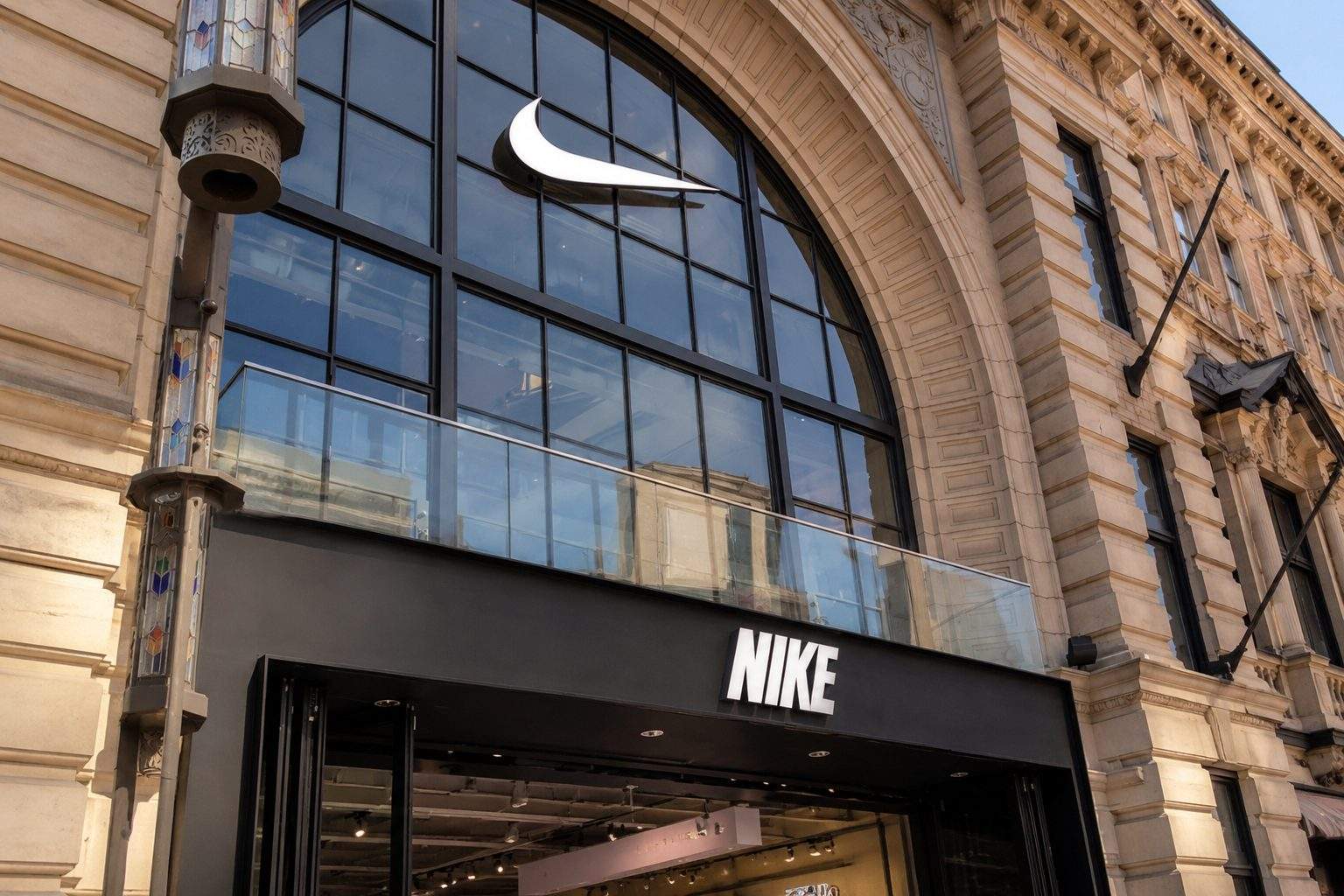
Nike shares were up Wednesday, lifted by lower oil prices and falling U.S. Treasury yields. That gave investors a reason to pick up consumer stocks that have been under pressure from inflation and concerns about household budgets. Nike jumped nearly 4% in afternoon trade, then settled at $44.07, up 3.4% on the day, according to a Stock Story piece on TradingView.
Nike’s shares got a lift after a tough period for the company and discretionary stocks in general. Lower Treasury yields can take some pressure off stock prices and cut consumer borrowing costs. Oil prices falling can also put more spending money in people’s pockets.
Nike got a push from the wider market as well. U.S. crude finished $5.89 lower at $98.26. Brent lost $6.26 to $105.02 a barrel. The 10-year Treasury yield moved down 9.4 basis points to 4.576% Wednesday while hopes for a U.S.-Iran deal picked up. Consumer discretionary stocks led S&P 500 sectors, Reuters said. “Renewed positive sentiment because oil prices are down, yields are down,” Longbow Asset Management CEO Jake Dollarhide said, but he also flagged the risk that if oil stays high, the Fed will be “in a corner.” Reuters
Nike said this week it will link up with Google’s Gemini app and AI Mode in Search. U.S. shoppers will be able to find and buy Nike products straight from Nike, with the new shopping option expected in early June before the summer football tournament.
Nike Direct vice president Shannon Glass said the tool will use tech to “anticipate their needs” and give consumers a more intuitive link to the brand. For investors, it’s simple: Nike wants its own digital channel to do better as that business has been shrinking.
Nike posted revenue of $11.3 billion for the quarter, unchanged from the same period last year. Wholesale revenue was up 5%, but sales through Nike Direct dropped 4%. Gross margin fell 1.3 points to 40.2%. Net income was down 35%. CEO Elliott Hill said “the direction is clear” but called the work “not finished.” NIKE, Inc.
Nike’s stock has bounced, but that hasn’t settled the debate. The company is working to fix wholesale ties after years of pushing direct-to-consumer sales. Rivals have taken over some of the ground Nike gave up.
Nike’s global sports footwear share dropped by three percentage points to 22.9% in 2025, Reuters reported this month, as Adidas gained ground, rising to 12.2%. Short interest rose to 4.67% of shares outstanding as of May 1, up from 0.41% when Hill took over as CEO in October 2024. Morningstar analyst David Swartz said, “there should have been more progress by now.” Reuters
Jennifer Saibil at The Motley Fool pointed to many of the same trouble spots from a valuation view. She said Nike is still up against issues in China, heavy inventory, markdowns, and tariffs. Saibil thinks shares aren’t cheap enough yet to say they’re a bargain, even with this year’s decline, but she did note the dividend yield looks better now.
But there’s a catch. The rally this week has mostly tracked rates and oil, not much to do with Nike itself. If crude or yields climb again, or if tariffs, shaky China demand and heavy discounting keep squeezing margins, the focus probably shifts back. Investors may start worrying less about Nike’s AI shopping tools and more about whether it can actually move more full-priced gear.
Wall Street wants results from the company now. HSBC downgraded Nike to Hold from Buy back in April and slashed its price target to $48, down from $90. Analyst Akshay Gupta said the turnaround is now a “show me” story, with no short-term catalysts in sight. Investing.com
Nike traded at $44.19 on the last quote, putting its market cap near $65.5 billion. The next step hinges on macro relief turning into real demand.