NEW YORK, June 7, 2026, 09:03 EDT
- American Airlines finished Friday at $13.50, gaining 1.5%. Shares are still off about 7.8% from where they closed the Friday before.
- The stock climbed even as the S&P 500 dropped 2.6% and the Nasdaq fell 4.2%.
- Next week traders will watch fuel prices, see how far fares can go, and check if route cuts are still called “temporary.”
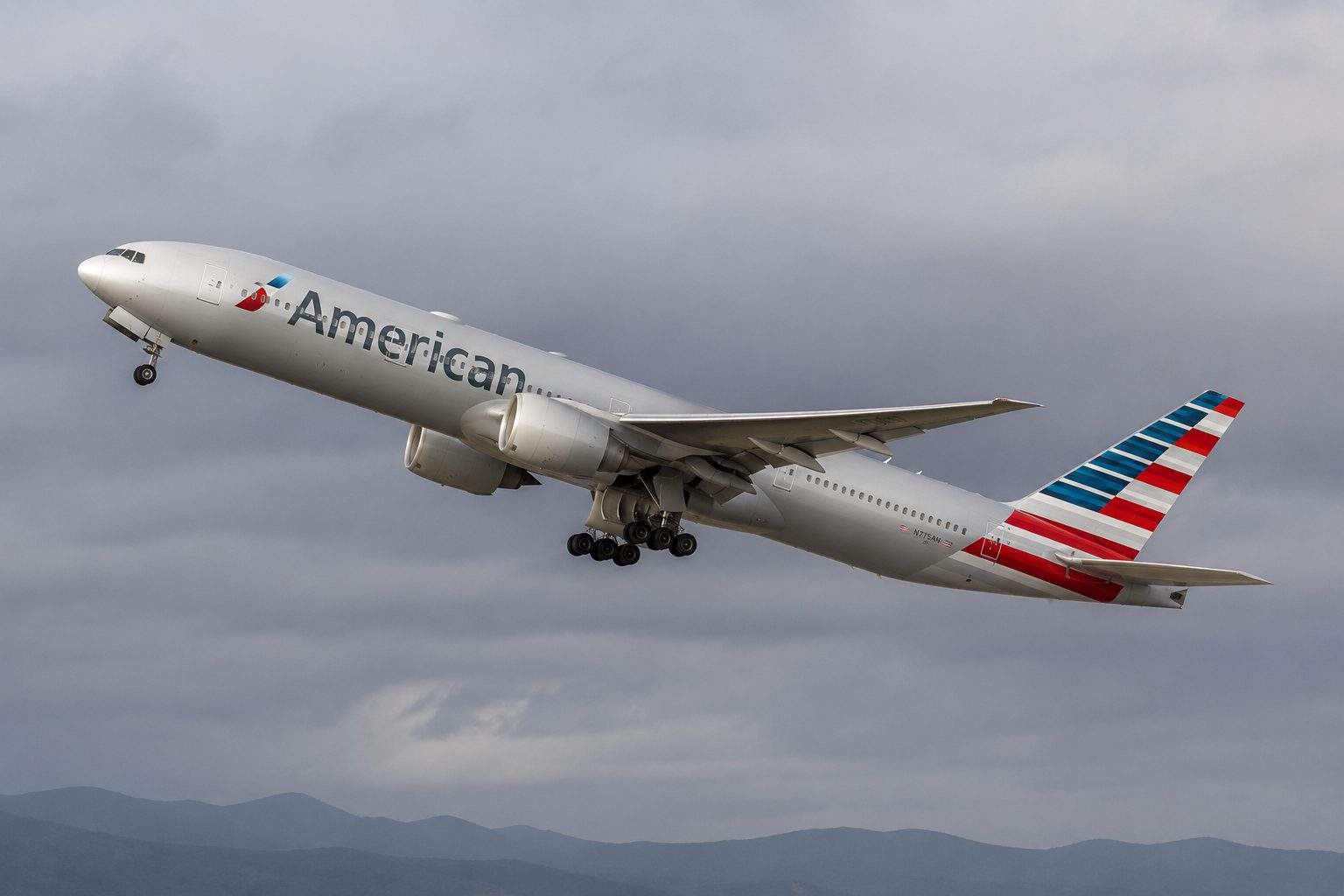
American Airlines Group Inc. shares rebounded Friday after a rough week, with the market largely shrugging off some short-term route reductions. Investors are watching if strong fares and premium sales can offset the hit from fuel prices across the airline sector.
American Airlines shares ended Friday at $13.50, up 20 cents from Thursday’s $13.30 finish, according to company market data. Volume was 106.1 million. Even with Friday’s move, the stock was still 7.8% under last week’s $14.64 close.
American Airlines rose even as stocks fell Friday. S&P 500 dropped 2.64%, Nasdaq lost 4.18%, and Dow Jones slipped 1.35%, Reuters market data showed.
This isn’t just bargain hunting. Airlines now trade on a tight question: will carriers claw back enough of rising fuel costs with fares, fewer low-yield routes, and more premium seats before travelers start to balk?
American told CBS News last week it made changes to “select routes” for August and September, citing higher fuel costs. The airline said the cuts aren’t permanent. Routes hit include Los Angeles to Cleveland, Columbus, Pittsburgh and Washington Dulles, as well as Charlotte to Ontario and Sacramento, CBS said. CBS News
American will give affected travelers refunds or alternatives, the Associated Press said, adding that International Air Transport Association numbers put average jet fuel at almost $142 a barrel last week. That’s up from $99 before the war with Iran. Jet fuel is a major cost for airlines, so big swings tend to hit profits fast.
American Airlines is leaning on higher revenue to make its argument. Back in April, the airline reported $13.9 billion in first-quarter revenue, with managed corporate revenue gaining 13% from a year earlier and a 25% rise in AAdvantage sign-ups. CEO Robert Isom said demand was “growing.” The company projected full-year adjusted EPS, not counting special items, in a range from a 40-cent loss to $1.10 profit — even with over $4 billion more in jet-fuel costs. news.aa.com
Industry conditions have deteriorated. Willie Walsh, IATA’s director general, told Reuters on Saturday that some airlines will find it “very difficult to cope with” high fuel costs, raising the chances of failures or consolidation. He pointed to the big three in the U.S. — United Airlines, Delta Air Lines, and American — putting pressure on budget carriers. Reuters
Southwest CEO Bob Jordan told Reuters late last month fare hikes had led to “no drop-off in demand.” He also said the higher fares still don’t cover today’s fuel costs. That’s the takeaway for American: pricing helps, but it doesn’t fully offset. Reuters
There’s a catch. Air New Zealand CEO Nikhil Ravishankar told Reuters that airlines can only push fares up to a point before “demand will soften.” In the U.S., that’s a problem for American since its guidance range is tighter and it’s still carrying a lot of debt, which means there’s less room for a slip, even with better loyalty and premium-cabin numbers. Reuters
U.S. markets are quiet through the weekend, while IATA’s summit from June 6-8 is still making news. For American, trading next week could hinge on three things: jet fuel prices at the open, the staying power of fare hikes, and whether investors see the route suspensions as smart capacity moves or trouble for summer margins.