
Moscow, June 16, 2026, 14:02 (MSK)
- Tatneft has set temporary curbs on fuel buying at its gas stations in Russia, reports say.
- Russia is allowing some refineries to produce lower-grade fuel for the domestic market as supplies remain tight.
- Ukraine hit the Moscow region’s largest refinery, but local officials said the facility stayed online.
Russian fuel supplies came under more pressure Tuesday after a Ukrainian drone strike damaged the biggest refinery in the Moscow area, according to Reuters. Tatneft began limiting petrol and diesel sales at its outlets. Emergency crews said they put out the fire at the Gazprom Neft plant and kept processing going. The attack adds to evidence that Ukraine’s moves against Russian energy infrastructure are starting to feed back into the home fuel market.
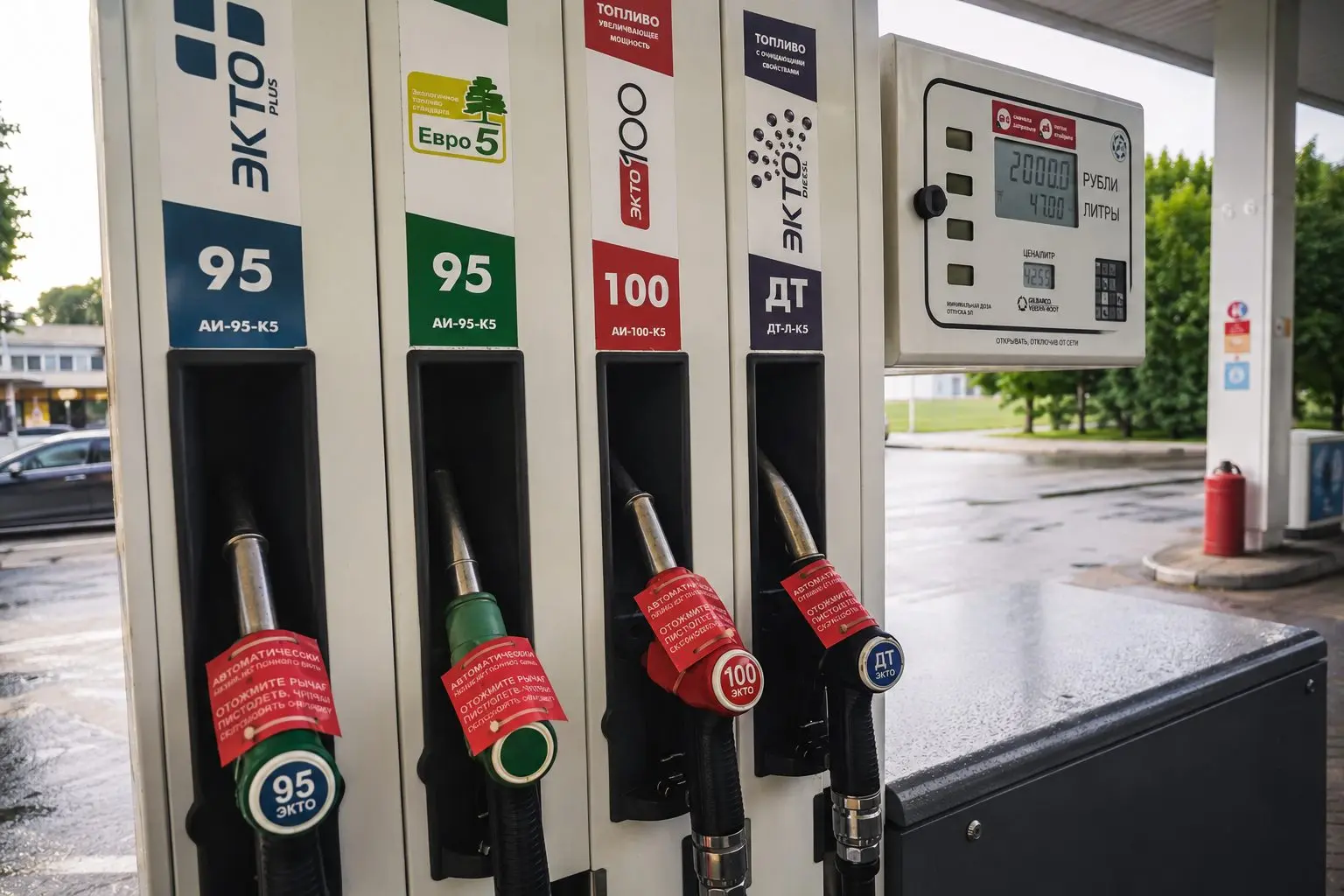
Tatneft is imposing limits on fuel sales at all of its petrol stations, Interfax reported. The company’s hotline told customers these restrictions are temporary, and for now, only cash payments are accepted. Reuters noted that at one Tatneft station south of Moscow, gasoline was capped at 20 litres per car and diesel at 40 litres.
Russia is letting some refineries sell dirtier fuel as pressure builds. Kommersant reported the government gave select plants permission to keep shipping gasoline and diesel with higher sulfur and other pollutants. The rule, in place since last autumn, was extended May 1. Reuters said gasoline can now have up to 150 ppm of sulfur, roughly 15 times what Europe, China, or India allow. AI-95 gasoline and diesel wholesale prices on the St Petersburg International Mercantile Exchange rose 10% in early June.
Ukraine is now targeting refinery units that are tougher to replace, rather than just storage tanks or basic equipment, making its strikes more destructive. RFE/RL cited Kpler data showing Russia’s offline secondary processing capacity was around 1.2 million to 1.3 million barrels a day in May. Hydrocracker outages hit 250,000 barrels a day, compared to last year’s 50,000–60,000 barrels. “Not all strikes are equal,” Tatiana Mitrova at Columbia University’s Center on Global Energy Policy told RFE/RL. She said Russia has a harder time getting around damage to more specialized bottlenecks than to basic assets. RadioFreeEurope/RadioLiberty
Tatneft announced nationwide fuel restrictions on Tuesday, after reports flagged limits in several regions. Ukrainska Pravda, citing Meduza and content from Ksenia Sobchak’s channel, said some Tatneft stations in Tatarstan, Moscow, and St Petersburg were capping purchases at 20 litres for AI-92 and AI-95 petrol, and 40 litres for diesel. The report also pointed to limits at Rosneft and Lukoil stations in Moscow, and mentioned shortages in Belgorod and Ryazan oblasts, Krasnodar Krai, and Russian-held Crimea.
Ukraine struck a refinery in the Moscow region from 500 km away, President Zelenskiy said in a post on X, calling it a “just response to Russian strikes – and to the dragging out of a war that must be ended,” according to Reuters. Russia now faces more than just repairs at the plant. The Kremlin needs to maintain fuel flows to avoid shortages and any public backlash. Reuters
Related articles: Energy