
SEATTLE, June 19, 2026, 07:03 PDT
- Starbucks’ India JV is looking to open 50 to 100 stores each year, as the company uses the country to test its latest strategy for international growth.
- Chief Executive Brian Niccol said Starbucks can double its non-U.S. presence over time and bring thousands more smaller stores to the U.S. The company is moving on that plan now.
- Starbucks shares won’t trade Wednesday as U.S. markets are shut for Juneteenth. Nasdaq says June 19, 2026, will also be a market holiday.
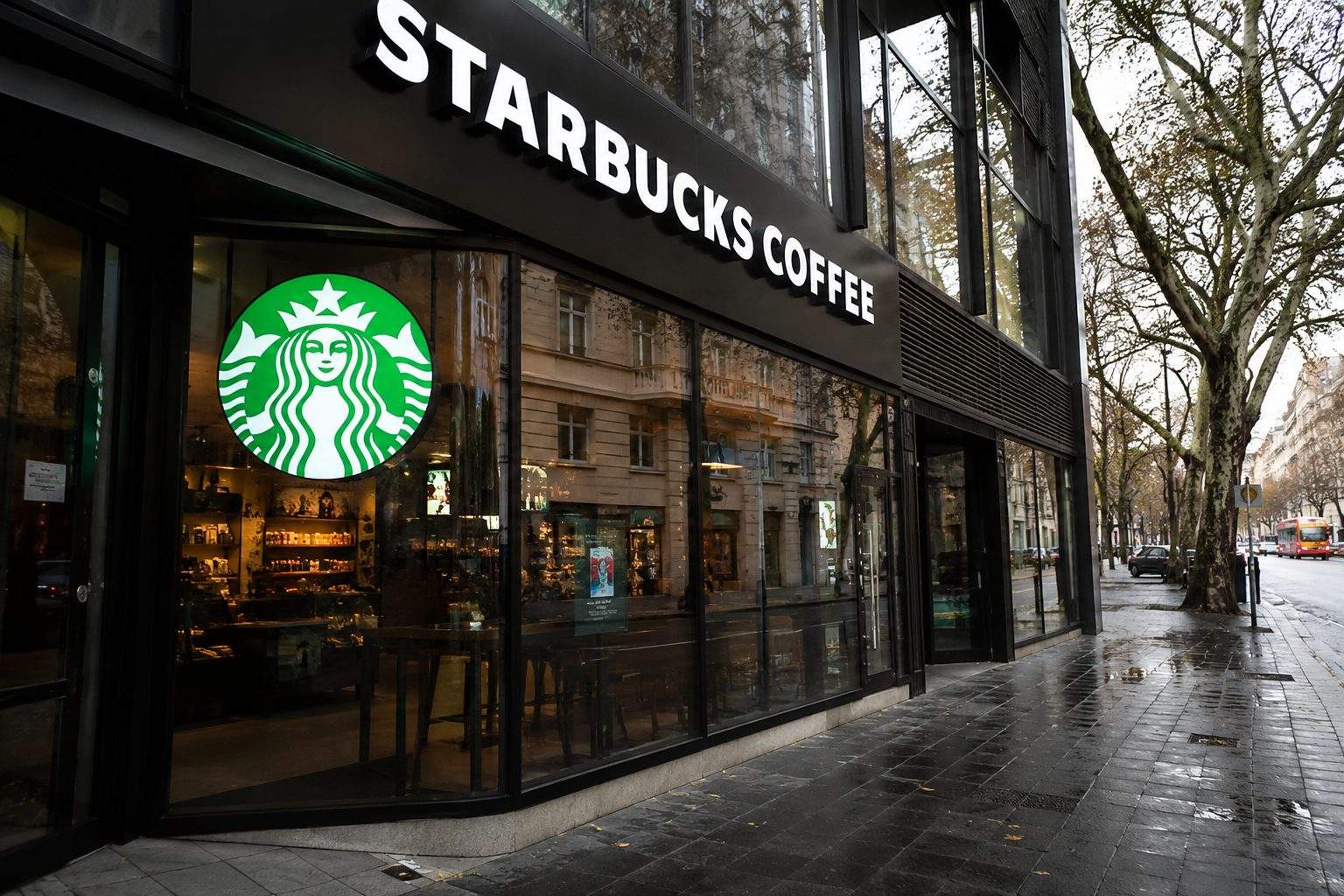
Starbucks’ India business is looking to add 50 to 100 new stores a year. The move signals the coffee company is sharpening its focus on global markets as CEO Brian Niccol aims to stretch a sales recovery into more lasting growth.
Tata Starbucks Pvt. has pushed its store count past 500 in India over the last four to five years, now claiming about a 30% market share, CEO Sushant Dash said in a Thursday interview with Bloomberg Television. Starbucks sees India as “one of the fastest growing markets” worldwide, Dash said. The Business Times
Starbucks is shifting gears, looking to expand again after focusing on fixes. Niccol’s “Back to Starbucks” plan increased labor, cut wait times and aimed for a friendlier in-store feel. The company is now seeing if these changes will let it open more stores in markets where coffee demand hasn’t peaked yet.
India has potential, but growth won’t be simple. Dash said roughly 24% of people in India drink coffee, while tea drinkers make up about 93%. Chains like abCoffee and Blue Tokai are growing, and international competitors are monitoring the move in incomes and consumption.
Tata Starbucks is rolling out different store formats such as drive-throughs, highway outlets, kiosks and its Reserve stores for premium coffees. Dash said Reserve stores have pulled in better-than-forecast demand after opening in Mumbai, Delhi and Kolkata.
The India push lines up with the broader message Niccol has given investors. During Starbucks’ investor day in January, the company said it could add up to 5,000 more shops in the U.S., and possibly double that later on. Starbucks also said international locations could double to about 40,000 stores outside the U.S.
Starbucks is pushing smaller stores in the U.S., aiming for footprints as small as 1,350 square feet and maybe under 1,000. Nation’s Restaurant News said last week the company wants to use these scaled-down shops to add at least 5,000 new units, with a bigger hit on the country’s middle.
Niccol told investors at the Evercore Consumer and Retail Conference that Starbucks built out the coasts but didn’t put enough stores in the middle of the country, the report said. He named the region from Texas to Virginia and said Nashville could take more company locations.
Competition is heating up in U.S. coffee. Dutch Bros and 7 Brew are putting up stores quickly, and Dunkin’ is looking to push into the Midwest too, according to Nation’s Restaurant News. The question isn’t only about who has more locations. Starbucks still has to show it can get enough customers in the afternoon to make its smaller stores work.
Starbucks posted a 6.2% gain in global comparable store sales for its fiscal second quarter through March 29. Revenue was up 9% to $9.5 billion. The company had 41,129 stores at quarter end.
The strategy isn’t without risk. Tata Starbucks is still loss-making, but Dash said EBITDA grew at a double-digit rate and losses were cut in half for the year through March 31. “The company won’t sacrifice growth for profitability,” Dash said. Investors might see that as a sign of confidence, or worry that margins could stay squeezed. The Edge Malaysia
Other strains are showing up. Starbucks reported its North America operating margin dropped to 9.9% in the second quarter, down from 11.6% last year. The company pointed to labor spending for its turnaround, product shifts, tariffs, and higher coffee prices as the main drivers. Expansion only works if better service doesn’t let costs outrun sales.
Niccol’s approach is simple right now: smaller U.S. stores to reach more domestic customers, partners and licensees overseas, and spending in places where Starbucks thinks people are still picking up the coffee habit, not where stores are maxed out. India could soon test if this playbook works beyond China and the U.S. faster than most other countries.
Related articles: NASDAQ:SBUX