
New York, June 21, 2026, 15:27 (EDT)
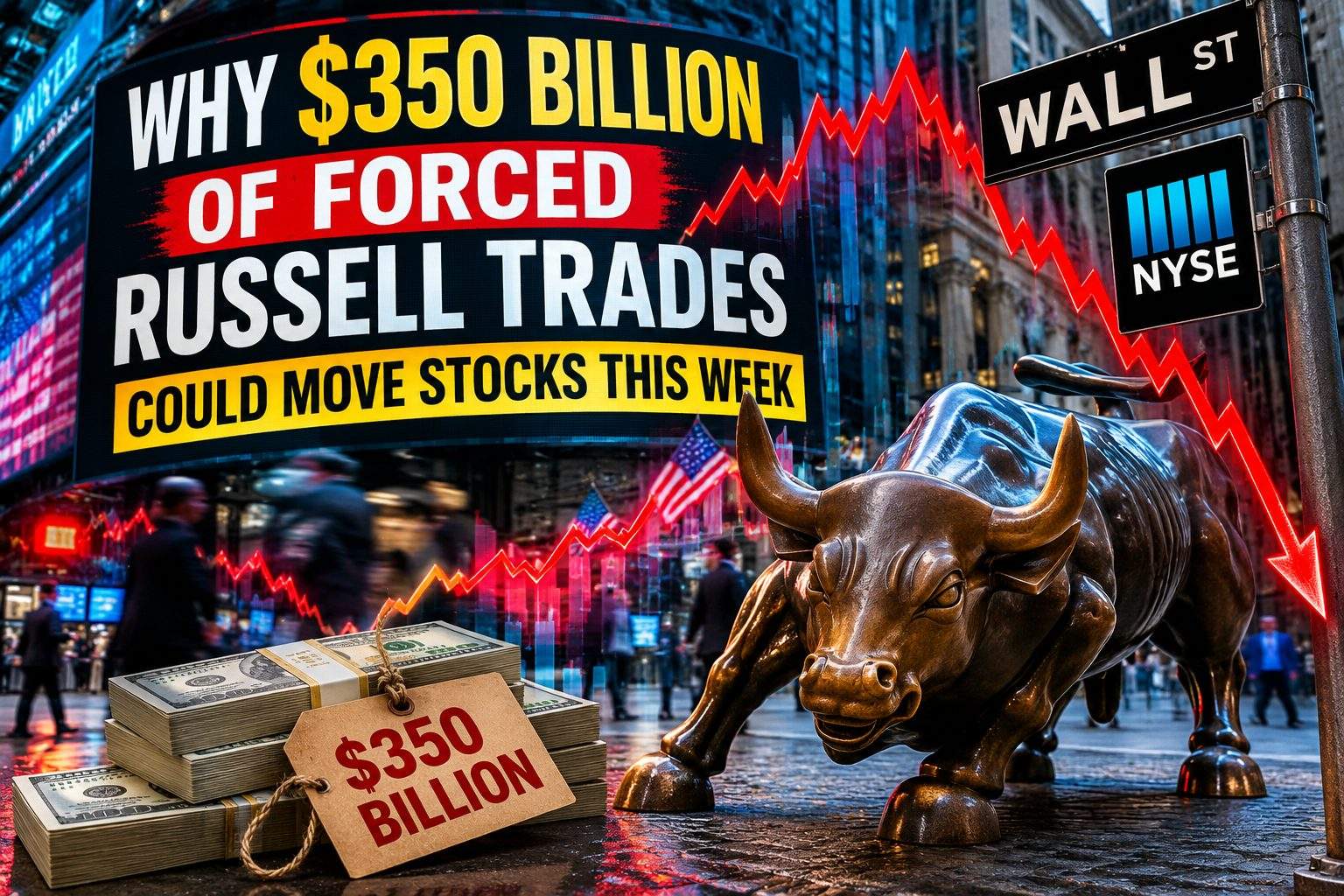
- Jefferies is calling for index funds to run about $350 billion in trades at Friday’s close, compared with about $220 billion at the 2025 Russell reshuffle.
- SpaceX is on track to join the Russell 1000, carrying a 90.4% growth allocation and a 9.6% value weighting.
- Russell U.S. indexes will go back to a semiannual reconstitution in 2026, with a second rebalancing coming in December.
U.S. stock funds are set for a major mechanical trade when markets open after the weekend. Friday’s cash equity session was shut for Juneteenth. That leaves investors just four trading days until the Russell index rebalancing hits after the June 26 close.
Russell’s reconstitution is a rules-driven reset of which companies are in the index and what weight they carry. Roughly $12.2 trillion tracks or is invested in products tied to Russell U.S. indexes. During last year’s event, $217.2 billion traded hands at the close. “U.S. equity markets broadened over the past year,” said Catherine Yoshimoto, director of product management at FTSE Russell, but tech and artificial intelligence still drove most gains. lseg.com
The $350 billion figure is gross trading, not an estimate of new cash coming into the market. Funds are set to buy new names, sell names being dropped, and tweak positions. Most of that will hit in the last minutes of Friday’s session, so portfolios line up with the new benchmarks for trading on June 29.
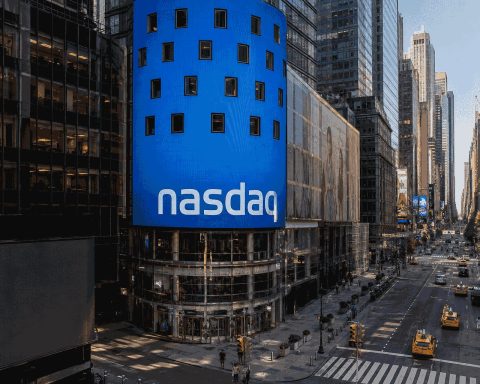
SpaceX’s huge listing is shifting the index. Elon Musk’s rockets-to-AI company priced its IPO at $135 a share for a $75 billion valuation, the biggest on record, and then jumped 19% on its Nasdaq debut. The offering is so large that it alters the makeup of companies already in the index.
FTSE Russell’s updated fast-entry policy lets large IPOs enter its indexes after just five trading days, skipping the usual quarterly review. The index provider said minimum free-float and voting rights standards are unchanged. The main shift is how quickly benchmarks can force new listings into tracked portfolios.
The reshuffle is another sign the old growth-versus-value split doesn’t carry as much weight. Microsoft and Apple are likely to land near the top of both Russell 1000 style indexes, and Amazon is set to lead the Russell 1000 Value pack. Morgan Stanley Investment Management said sorting portfolios into growth and value buckets can just mean investors double up on big names. The style tags are still around, but there’s more overlap than ever.
Stocks pushed higher in a holiday-short week. The Nasdaq led, up 2.43%. S&P 500 added 0.93%, the Dow climbed 0.71%. The Russell 2000 set a record close Thursday. SpaceX ended the week at $185, still around 37% above its offer price even after giving back some gains from a midweek high.
But just because an index flow is expected doesn’t mean new additions go up. Traders often move early and sell into that closing rush. A small public float — shares available to trade — can make swings worse. “Some profit-taking in SpaceX was ‘not surprising,’” IPOX Schuster analyst Kat Liu said. Public pension officials have pushed back on the faster rules, and S&P Dow Jones left its seasoning, profitability, and float rules the same, skipping a fast-track for big IPOs. Reuters
Index moves and company news both matter this week. Micron is set to report on Wednesday, another look at AI chip demand, with inflation and first-quarter GDP data out too. “A lot of juice” remains in the AI story, said Burney Company’s Andy Pratt. A poor earnings guide or a strong inflation surprise could take priority over the Russell rebalancing before Friday’s close. Reuters
Related articles: NASDAQ:MSFT
![US Stock Market Today 08/23/2026 [UPDATE: 08:13 EDT] [Nvidia and PCE Face a Bond-Stressed Market: Weekly Recap and Week Ahead]](https://ts2.tech/wp-content/uploads/2026/08/US-market-dashboard-2026-08-23-0810-480x384.jpg "US Stock Market Today 08/23/2026 [UPDATE: 08:13 EDT] [Nvidia and PCE Face a Bond-Stressed Market: Weekly Recap and Week Ahead]")