
New York, June 23, 2026, 15:51 EDT
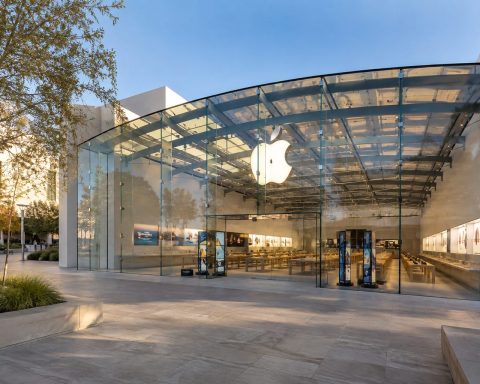
Apple fell 0.4% to $295.79 in late trading Tuesday, holding up better than a 1.8% drop in the Nasdaq and the 7.6% slide in semiconductor names. The stock still changes hands at around 35.8 times trailing earnings. That kind of relative strength stands out as the company faces pressure across its main businesses.
Apple faces pressure from two directions. Forty-eight Chinese developers filed a complaint about App Store commissions, as pricey memory keeps device costs high. Apple’s recent filing breaks out the margins: Services hit 76.7% gross in the March quarter, compared with 38.7% for products. The combination could be tough.
Apple faces a complaint lodged with China’s State Administration for Market Regulation, but the filing isn’t a formal probe. The news comes after Apple moved in March to lower its typical App Store commission in mainland China to 25% from 30%. The fee for smaller developers and subscriptions dropped to 12% from 15%. Apple said its terms stayed “fair and transparent.” Apple Developer
Wall Street couldn’t agree on Apple’s value Monday. Bank of America’s Wamsi Mohan stayed bullish, keeping a Buy and a $380 target. KGI Securities’ Rob Chang moved the other way, cutting Apple to Hold and lowering the target to $315. With Tuesday’s price, Mohan sees about 28% upside, Chang about 6.5%.
Bank of America is pointing to Apple’s hybrid AI system, which splits tasks between devices and the cloud. The bank said this setup could keep compute costs down, but the real effect will depend on how many high-level tasks need to go to pricier cloud servers.
Apple’s approach puts the focus on memory. The AFM 3 Core Advanced model has 20 billion parameters, but for any request, only 1 billion to 4 billion are active. Apple keeps the model in NAND flash storage and loads needed parts into DRAM, which is faster. When a task needs more power, it turns to Google Cloud and Nvidia chips.
That setup cuts how much active memory is needed, but the cost is still there. CEO Tim Cook said last week that “price increases are unavoidable” as memory and storage costs have reached a breaking point. Cook said Apple will use its own balance sheet to help fund new supply, though he said Apple does not plan to build its own memory fabs. Reuters
Apple kept some breathing room as demand held up. On Tuesday, IDC reported worldwide smartphone shipments slipped 2.9% in Q1 to 293.8 million units. But Apple grew 4.4%, lifted by iPhone 17 sales in China that jumped more than 30%. Only Apple and Samsung managed to grow among the five largest vendors. IDC’s Nabila Popal called this “one of its most challenging periods.” Kiranjeet Kaur said Apple and Samsung’s resilience “will continue to be tested.” IDC
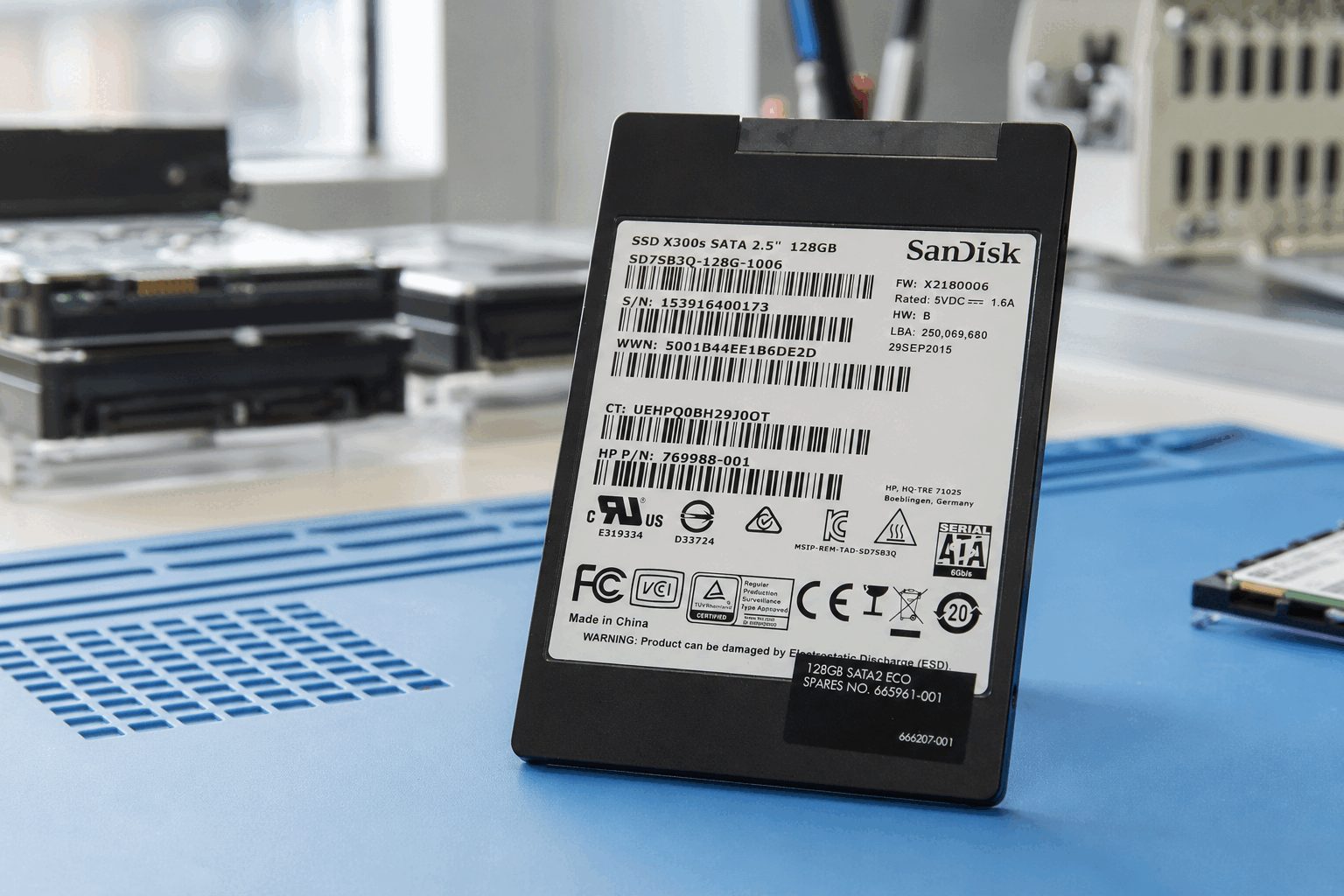
Memory stocks tumbled Tuesday. Micron slid 12.8%, SanDisk gave up 13%, and Western Digital dropped 8%. Ross Mayfield, investment strategist at Baird, described the tech trade as “highly concentrated and flow-driven.” He said the sharp slide could show how packed the trade was, not just a quick turn in chip demand. Reuters
Apple still pays the same for components, even as supplier shares sink. Any slowdown in data-center spend could weaken memory demand down the line, which would help Apple when it comes to buying chips for on-device AI. Micron reports results Wednesday at 4:30 p.m. EDT, giving another look at memory pricing and supply.
But there’s downside, too. Memory prices might stay high even if chip stocks drop. If iPhone prices rise, Apple could see weaker demand as the market contracts. A bigger regulatory push in China could mean another cut to App Store commissions. KGI’s downgrade points to analysts who see the near-term risks as too great compared to possible rewards.
Apple’s stock shows that investors still see premium demand and Services as safety nets for now. But Tuesday showed those supports aren’t as separate as they seem. Hardware pricing draws on the company’s ecosystem. The Services margin needs cooperation from developers and regulators.
Related articles: NASDAQ:AAPL