
NEW YORK, June 24, 2026, 10:04 EDT
- EchoStar now trades as ECHO on Nasdaq, switching from SATS. The company hasn’t changed its legal name or capital structure.
- The stock fell around 5% in early trading, still moving with recent spectrum deals involving AT&T and SpaceX.
- Timing is the main risk here. EchoStar hasn’t gotten the AT&T sale proceeds yet, and its core pay-TV business keeps shrinking.
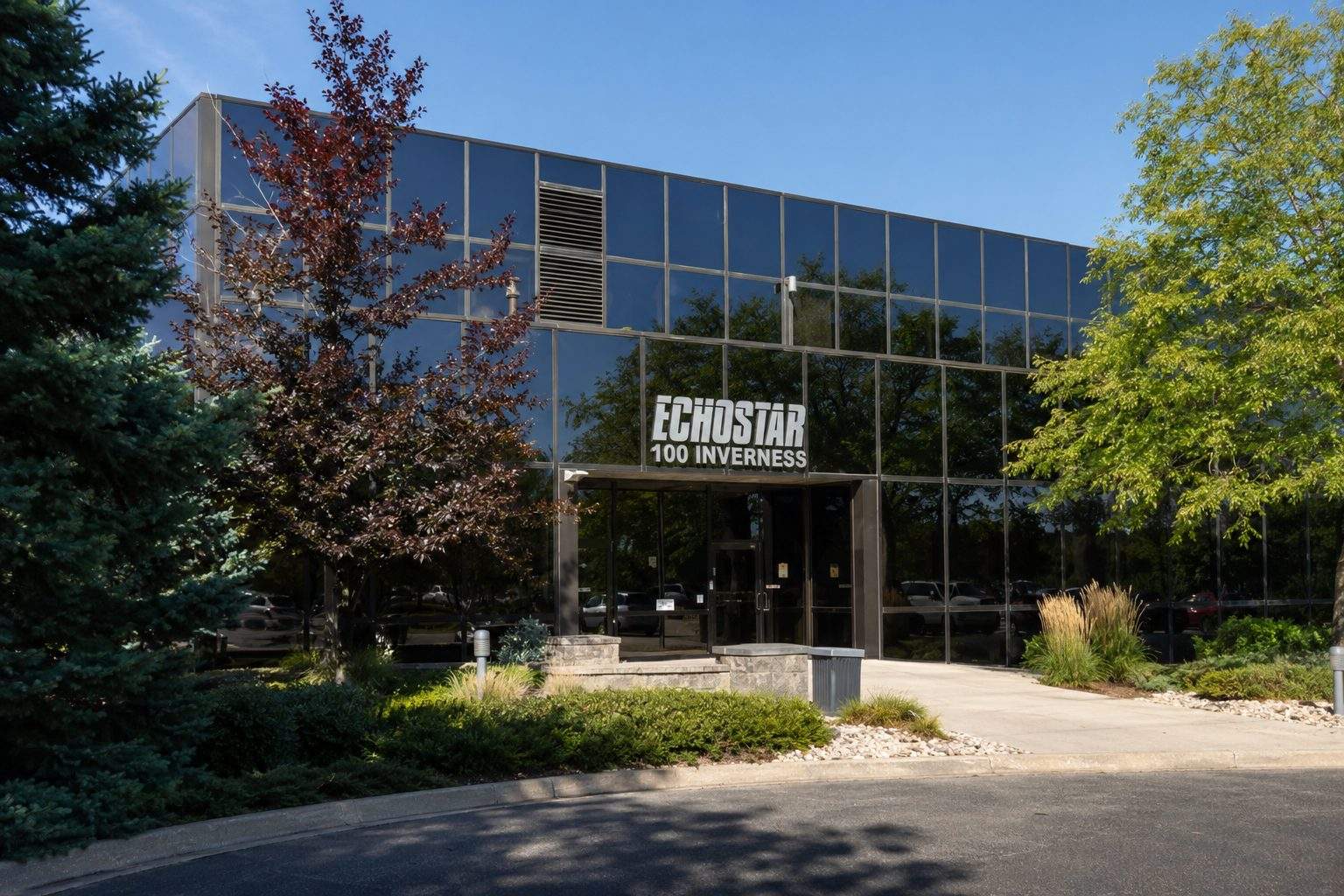
EchoStar Corp shares slipped at the open in New York on Wednesday after the company swapped its Nasdaq ticker to ECHO from SATS.
The shares dropped 4.8% to $98.92 at 10:04 a.m. EDT, MarketScreener reported, using a real-time Cboe BZX estimate. EchoStar finished Tuesday at $103.92.
Normal U.S. trading hours will be in effect Wednesday. Nasdaq’s schedule shows June 19 and July 3 as the next closures for 2026. Regular stock trading in the U.S. takes place from 9:30 a.m. to 4 p.m. ET, according to Nasdaq.
EchoStar said the ticker change won’t impact its legal name, capital setup or rights for securityholders. Existing stock certificates are still valid, and shares held by brokers will switch over automatically. “Changing our stock ticker to ‘ECHO’ represents our growth from a pure-play satellite company,” founder, CEO and chairman Charlie Ergen said in the release. EchoStar Corporation
EchoStar’s ticker change comes as the company reshapes its asset portfolio. The U.S. Federal Communications Commission last month cleared EchoStar’s $40 billion spectrum sale, moving the wireless rights over to AT&T and SpaceX. AT&T gets about 50 megahertz for $23 billion. SpaceX is taking 65 megahertz for $17 billion, which will go to its Starlink phone-to-satellite business.
EchoStar lands in a new spot for investors now. AT&T taps the airwaves for its 5G service, and SpaceX is ramping up for Starlink. These two weigh more for EchoStar at this point than the old satellite-TV competitors.
EchoStar’s DISH DBS unit told trustees on June 17 it would pay interest that was due June 1 within the grace periods and before missing them would trigger a default. EchoStar said it held off on paying to conserve cash and was waiting for $20.25 billion in net proceeds from the AT&T deal. The company also said the AT&T transaction hadn’t closed and could face delays.
The downside hasn’t gone away. If the AT&T proceeds drop, or if the FCC’s $2.4 billion escrow account—cash held by a third party—brings bigger obligations than investors counted on, they might start focusing again on EchoStar’s debt load, not the new ticker.
SpaceX trading is now feeding right into EchoStar sentiment because of the spectrum link. Reuters said Wednesday that SpaceX short interest—the portion of shares being shorted by investors—jumped to 13% from 8% after the previous session. “Short interest in SpaceX is building remarkably fast,” Ortex co-founder Peter Hillerberg told Reuters. Reuters
EchoStar’s core business continues to struggle. The company shed about 366,000 pay-TV customers in the first quarter, worse than the 336,433 analysts had forecast. Revenue landed at $3.67 billion. Net loss narrowed to $146.9 million.
Related articles: Nasdaq