
NEW YORK, June 23, 2026, 20:08 EDT
- Chip index fell 7.9%, more than five times the S&P 500’s decline
- Six of the 11 S&P 500 sectors are up, but tech is doing most of the work for the index.
- Cerebras and FedEx shares fell after hours. Both stocks came under margin pressure.
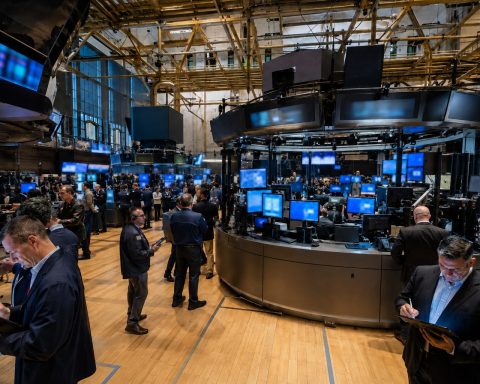
U.S. stocks ended lower Tuesday after a volatile session. The Philadelphia SE Semiconductor index tumbled 7.9%, much steeper than the S&P 500, which lost 1.44%. Six of 11 S&P 500 sectors managed gains—consumer staples rose 1.8%. The Nasdaq dropped 2.21%. The Dow edged down 0.09%. On the NYSE, losers beat winners by a narrow 1.31-to-1 margin. Trading focused on recalibrating AI capex. “Some of the news lately about AI raises questions about all the spending that’s being done and the capex and ramping of the capacity for semiconductors,” said Thomas Martin, senior portfolio manager at Globalt. Reuters
The after-hours update dropped after the NYSE’s late session wrapped. That session runs 4 p.m. to 8 p.m. ET on most trading days. June 23 was a regular session, not a holiday. It came after the Juneteenth break on June 19 and before the July 3 Independence Day close, as listed on the NYSE 2026 calendar.
S&P 500 and Nasdaq fell, hit by declines in major AI and chip names. Losses in these stocks dragged on the indexes, even as money moved into safer sectors. Investors didn’t pull out across the board—the drop came from issues with the big index leaders. That’s the key takeaway for investors.
Cerebras Systems fell 10% after hours following its first earnings report since going public. The company sees full-year adjusted gross margin between 38% and 41%, lower than the 47% margin posted in the first quarter and below margins at Nvidia and AMD. “The additional cost of renting third-party capacity will depress core cloud and other services margin temporarily from current levels,” Chief Financial Officer Bob Komin said. Reuters
FedEx sent a warning to investors late Wednesday. The stock slid 6% in after-hours even though profit beat forecasts and revenue rose 12.6% to $25 billion. Margins took a hit: the Federal Express unit posted a 7.7% operating margin, down from 8.4% last year, squeezed by higher pay, costlier third-party transport, and rising fuel. UPS faces weak demand too, as tariffs and new rules on low-value e-commerce shipments weigh.
SpaceX’s new $25 billion bond sale is drawing heavy demand from investors looking for AI exposure. The company, now public, launched a five-part notes deal for debt repayment and to fund its AI expansion, Reuters said. Orders jumped to nearly $85 billion. The deal’s popularity shows the size of investor interest, but also the price tag for AI infrastructure—data centers, hardware, and energy.
Rates pushed prices up. Traders are now pricing in a 36.3% chance of a Fed hike of at least 25 basis points in July, up from 8.5% just last week. For September, probability climbed to 69.1% from 29.1%. “Equities are adjusting to it, gold is adjusting to it, the dollar is adjusting to it,” said Eugene Epstein, head of trading and structured products at Moneycorp. Reuters
Barclays and Stifel both bumped up their S&P 500 targets to 7,800, sticking to bullish outlooks for the rest of the year. That’s about 6% over Tuesday’s close. Barclays, with Venu Krishna’s team, said the “equity bull case remains intact” but warned that future gains depend more on earnings and AI investment as the Fed’s impact fades. Stifel’s Thomas Carroll pointed out “stock concentration sits at 40-year highs,” and said traders may be shifting into equal-weight indexes that treat each stock the same. Reuters
S&P 500 and Nasdaq had trouble Tuesday as chipmakers, AI hardware and high-multiple tech names took most of the hit. That’s what traders expected. If selling keeps moving out of those groups, indexes might stay steady even if the recent top stocks keep sliding.
Risk is out there. If Thursday’s Personal Consumption Expenditures price index, the Fed’s key inflation metric, comes in hot and stokes talk of more rate hikes, or if AI companies keep posting weaker margins, selling might extend from chips to stable cyclicals. But a softer inflation read or stronger memory-chip outlook would push things the other direction.
Related articles: NASDAQ:NVDA