
ATLANTA, June 23, 2026, 19:06 EDT
- Delta CEO Ed Bastian said lower oil prices alone won’t bring down fares—airlines need to add more flights for any real fare relief.
- U.S. scheduled airlines spent $6.47 billion on fuel in April, up 78% from the same month last year. Fuel use barely changed.
- U.S. airlines could see a swing of almost $2 billion a month in fuel bills if April’s fuel burn was priced at Reuters’ June 17 spot jet-fuel rate. Hedges and contract deals may push out when they get that gain.
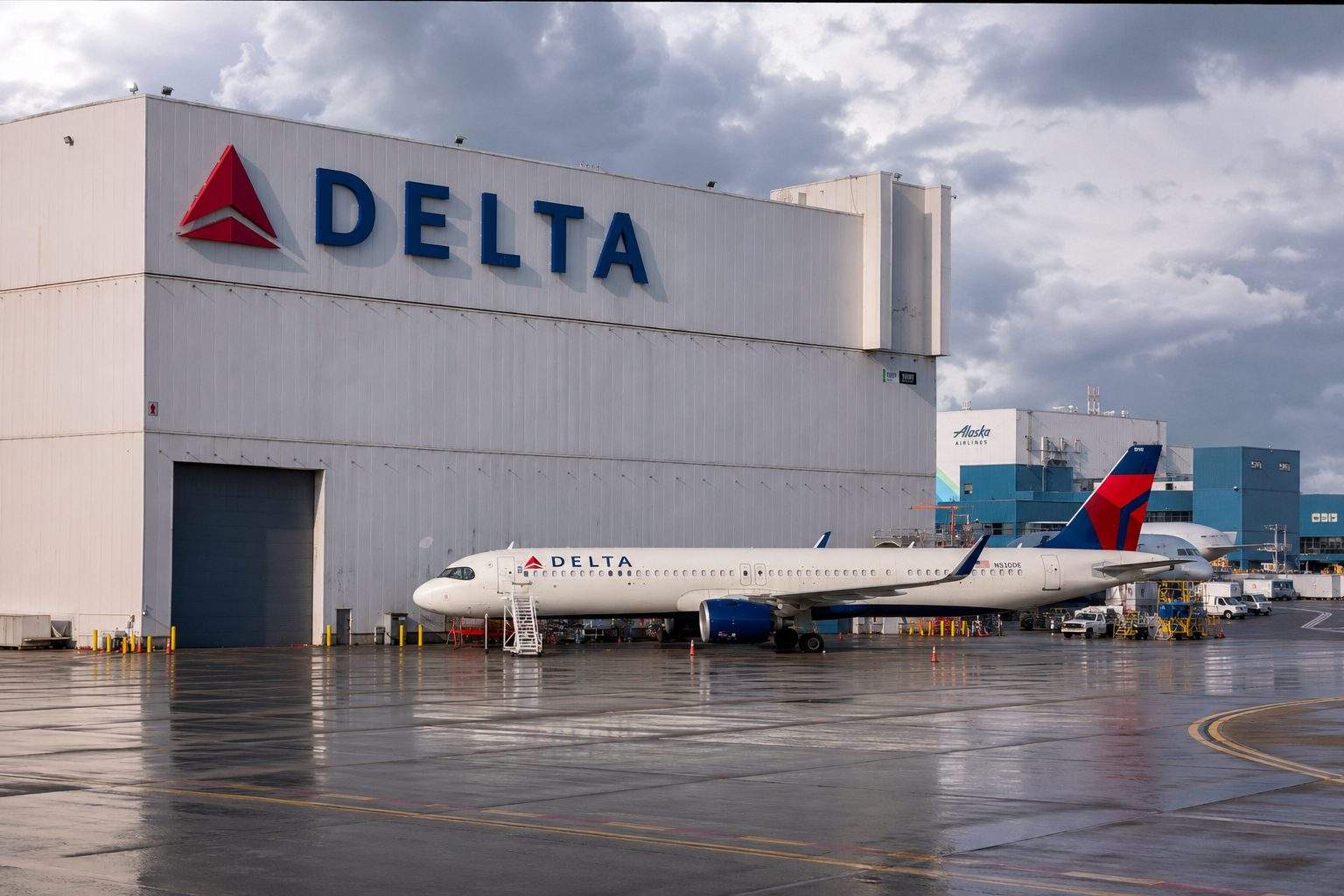
Delta Air Lines CEO Ed Bastian said Tuesday that cheaper jet fuel might not translate into lower fares if airlines in the U.S. can’t grow seat supply. The margin story is still at play.
Delta CEO Ed Bastian told Fox Business the industry can’t bring down ticket prices yet because the system is “logjammed.” Bastian said Delta had “no choice” but to raise fares when fuel costs went up. “Oil prices have come down now,” he said. Fox Business
Airlines’ fuel numbers help explain investor focus. U.S. scheduled airlines burned 1.573 billion gallons in April, barely different from 1.575 billion a year earlier, but the total bill jumped to $6.47 billion from $3.63 billion as average fuel cost per gallon hit $4.11, according to Bureau of Transportation Statistics data. If you swap in the $2.85-per-gallon U.S. jet fuel spot price Reuters posted for June 17, that same April fuel use would have cost roughly $4.48 billion, a one-month drop of nearly $2.0 billion.
That doesn’t translate straight to the bottom line. BTS points out that airline fuel bills depend on hedging and contracts, so carriers don’t always pay spot. Reuters said fuel costs show up over time, not all at once. But if fares stay up, lower fuel means margin recovery comes before ticket prices fall.
Delta shares changed hands at $86.72 after the bell, up 81 cents on the day. That puts the airline’s market value near $57.0 billion.
U.S. airfare is rising, but not as fast as fuel. Airline fares climbed 2.7% in May, according to the Bureau of Labor Statistics, and are up 26.7% from last year. April fuel costs per gallon were up 78.2% from a year earlier, based on BTS data. The measures don’t line up month-to-month, but the difference shows why carriers still argue fares haven’t fully matched higher fuel.
Capacity is the tougher figure. Reuters said U.S. domestic airline seats are on track to rise only 0.4% year-on-year in the third quarter. That’s sharply lower than the 4.6% growth forecast before the recent Middle East tensions. J.P. Morgan analysts said that slow aircraft deliveries and moves by budget carriers to pare back will help keep “meaningful capacity creep” in check—so airlines may not add enough seats to weigh on fares. Reuters
Bastian’s push on air traffic control lines up with the FAA’s new budget numbers. The agency says it hired 2,029 controller trainees in fiscal 2025, targets 2,200 for fiscal 2026, and plans for 2,300 in fiscal 2027. The budget calls for $4.0 billion for facilities and equipment, plus a $12.5 billion investment already in place for modernization in 2025.
Demand is what drives the trade. In another Fox Business video, Bastian talked about a “K-shaped economy,” meaning higher-income households are still spending but lower-income households have fallen behind. The video description said affluent consumers are still paying for travel and experiences. Fox Business
Airlines are under pressure to keep their pricing strong. “What remains crucial is the ability to hold price,” Conor Cunningham at Melius Research told Reuters. Citing Raymond James data, Reuters said average domestic fares booked a week before departure were up 34.1% from this time last year as of June 8. Reuters
United Airlines CEO Scott Kirby said to Reuters, “We’re on a path to recovering 100% by the end of the year,” talking about fuel-cost recovery in pricing. Other airline leaders are pushing the same argument on margins. Southwest Airlines Chief Operating Officer Andrew Watterson was direct when someone asked him about pre-pandemic margins: “When’s fuel going to go down?” Reuters
Jefferies said if its $3-per-gallon 2027 fuel price forecast drops by 5%, projected earnings per share could jump 10% to 15% for Delta, United, and Southwest. American Airlines could see as much as a 50% boost. Jefferies calculates profit per share based on total profit divided by shares outstanding.
The setup isn’t locked in. If travelers balk at expensive tickets, airlines might need to cut prices before lower fuel costs show up in profit. A new jump in jet fuel, or delays for ATC staff and equipment, would block CEO Ed Bastian’s condition for fares to ease. Goodbody’s Dudley Shanley told Reuters fare relief depends on customer demand.
Related articles: NYSE:DAL





![UK Stock Market Today 29/08/2026 [UPDATE: 08:49 BST] [Weekly Recap + Week Ahead: Midcaps Lead Before Bailey and Gilt Auction]](https://ts2.tech/wp-content/uploads/2026/08/UK-market-dashboard-2026-08-29-0843-480x384.jpg "UK Stock Market Today 29/08/2026 [UPDATE: 08:49 BST] [Weekly Recap + Week Ahead: Midcaps Lead Before Bailey and Gilt Auction]")