
KWAJALEIN ATOLL, Marshall Islands, June 29, 2026, 20:09 (MHT)
- NASA has scheduled its Swift Boost launch for June 30 at 10:23 p.m. local time from Kwajalein with a Northrop Grumman NYSE:NOC Pegasus XL.
- Katalyst Space’s LINK vehicle plans to move Swift from roughly 224 miles up to 373 miles, boosting it by 149 miles.
- NASA’s $30 million award amounts to 6% of the $500 million Swift valuation reported by Reuters, and 12% of the listed $250 million original build and launch cost.
- Market status: U.S. cash equities were still pre-open. Northrop closed at $500.03 in after-hours trade on June 26, putting its market cap near $71.3 billion.
NASA’s deal to keep the Neil Gehrels Swift Observatory in orbit is a small contract but points to a bigger question: can a startup get paid to rescue satellites in time, before aging spacecraft drop out of reach?
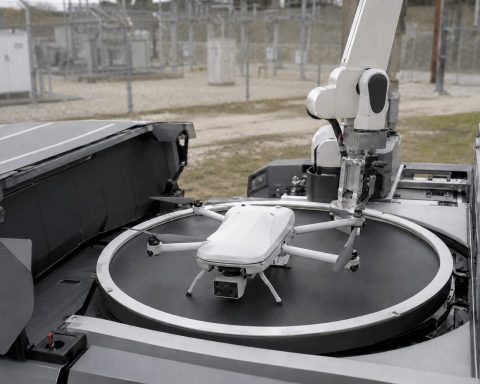
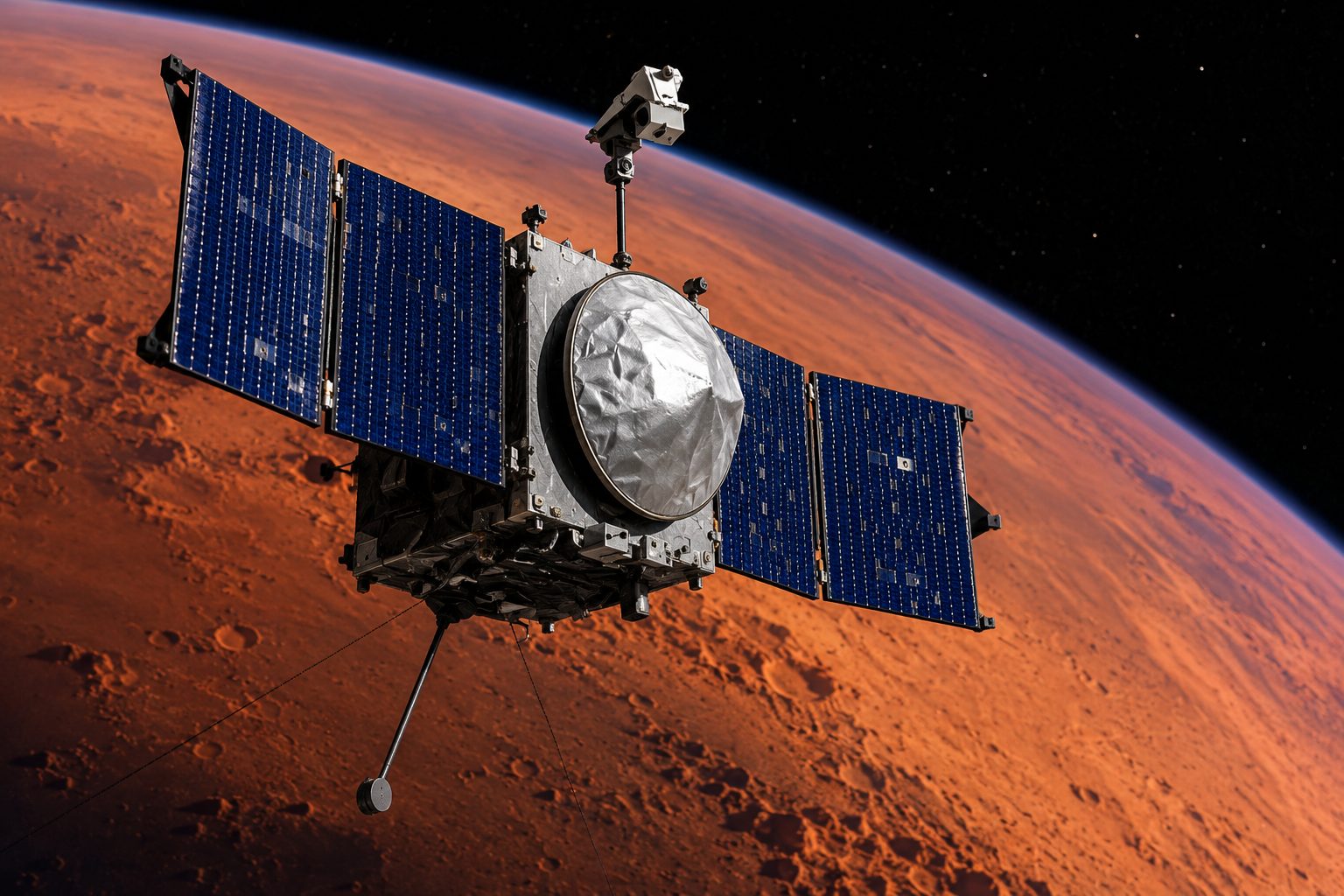
Northrop Grumman’s NYSE:NOC Stargazer plane is set to carry a Pegasus XL rocket for a mission from Kwajalein Atoll, with launch no earlier than Tuesday. The Pegasus will deploy Katalyst’s LINK servicer, aiming for Swift. NASA said LINK is supposed to rendezvous, grab Swift, and boost it over a period of months.
For investors, the key figure isn’t when the launch happens. It’s what it costs to extend an asset’s lifespan in space. NASA gave Katalyst a $30 million Phase III SBIR award after finding out a propulsion boost would cost less than putting up a new satellite to do what Swift does. Katalyst got less than a year to design, build, test and launch the servicing spacecraft.
| Metric | Figure | Investor read-through |
|---|---|---|
| NASA award to Katalyst | $30 million | This is the going price for a first Swift rescue try. NASA |
| Swift value reported by Reuters | $500 million | The rescue spend makes up 6% of that total. Reuters |
| Original build-and-launch cost reported by Space.com | $250 million | Rescue outlay comes to about 12% of that figure. Space |
| Planned orbital lift | 149 miles | Works out to $201,000 per mile, based on AP’s reported altitudes. AP News |
| Northrop market value | $71.3 billion | NASA went with Katalyst, but the award is about 0.04% of Northrop’s market value. |
Katalyst CEO Ghonhee Lee said in a NASA release that “Swift wasn’t designed to be serviced.” NASA astrophysics chief Shawn Domagal-Goldman described the mission as “high-risk, high-reward.” Northrop launch systems VP Wes Collier said Pegasus offers “flexibility and responsive access to space.” NASA Science
Swift started up in 2004 to look at gamma-ray bursts and other fast changes. Higher solar activity has meant more drag for the craft, which can’t maneuver because it has no propulsion. NASA expects new operating measures to keep Swift above the key 185-mile mark for a possible boost into fall.
| Player | Market status | Role | What investors can price |
|---|---|---|---|
| NASA | Government buyer | Covers the mission bill and owns Swift | Looks to future contracts for similar servicing jobs |
| Katalyst Space | Startup, no listed ticker confirmed | Runs LINK mission | Proof for private service approach |
| Northrop Grumman NYSE:NOC | Listed defense and space contractor | Supplies Pegasus XL rocket, Stargazer plane | Little direct impact from the launch contract |
| Swift Observatory | Government science asset | Spacecraft to be serviced | Avoids early replacement if rescue succeeds |
AP said LINK will need about a month to get to Swift and dock, then maybe two more months to increase the altitude from 224 miles up to 373 miles. If everything goes as planned, Swift could start operations again in September. NASA stopped using the telescope in February to slow the fall.
The Swift mission isn’t the only example. Lee told AP this could be a “new play in the playbook.” NASA’s science chief Nicky Fox said, “We don’t currently have the budget to build another one to replace that.” AP News
Katalyst was aiming for routine robotic spacecraft to cost in the “high-single-digit millions, or low-double-digit millions,” Reuters said last year. That price is key after launch. One-off rescues won’t attract buyers unless the missions can repeat at that cost, without designing new spacecraft every time. Reuters