NEW YORK, July 12, 2026, 14:43 (EDT)
Apple NASDAQ:AAPL goes into Monday trading with U.S. markets shut for the weekend and a notable forecast gap. Shares closed at $315.32 on Friday. That’s just above the $314.85 average 12-month analyst target tracked by MarketBeat. The stock gained 2.2% for the holiday-shortened week, ending 0.7% off its $317.40 high.
That’s important as Apple’s shares are priced higher on earnings than other major tech names. Its trailing P/E stood at 38.2, with the price nearly 19% above Nvidia’s P/E of 32.1. Nvidia NASDAQ:NVDA had a market cap about $502 billion greater, but traded at a lower earnings multiple.
| Company | Friday market value | Trailing P/E | Week change |
|---|---|---|---|
| Apple NASDAQ:AAPL | $4.64 trillion | 38.2x | up 2.2% |
| Nvidia NASDAQ:NVDA | $5.15 trillion | 32.1x | rose 8.3% |
| Alphabet NASDAQ:GOOGL | $4.33 trillion | 27.2x | fell 0.8% |
| Microsoft NASDAQ:MSFT | $2.87 trillion | 22.9x | dropped 1.4% |
Shares ended July 10 versus July 2.
The data lines up with the defensive-tech story that’s been getting more attention as the market worries about the cost of building out AI. Barron’s on Friday called Apple a more stable play versus rivals pouring money into big data centers. But Apple’s premium P/E could limit how much further the stock goes just on defensive buying; profits may need to move higher first.
Wall Street stays mixed on Apple. S&P Global’s poll showed analysts’ average target at $315.09, almost matching where the stock finished Friday. But recent calls are all over the place, from $253 up to $365. That’s a $112 gap, or 35.5% of the current price.
| Analyst and firm | Rating | Target | Move from $315.32 |
|---|---|---|---|
| Amit Daryanani, Evercore ISI | Buy | $365 | +15.8% |
| Asiya Merchant, Citi | Buy | $315 | -0.1% |
| Tim Long, Barclays | Sell | $253 | -19.8% |
| Mark Newman, Bernstein | Buy | $350 | +11.0% |
| Samik Chatterjee, JPMorgan | Buy | $345 | +9.4% |
StockAnalysis has a page with forecasts for .
JPMorgan’s Samik Chatterjee said the market is missing Apple’s price elasticity. Price elasticity measures how much sales react when prices go up. Chatterjee increased his price target to $345 from $325, saying historic iPhone, Mac and iPad demand hasn’t moved much even as Apple raised Mac and iPad prices 17% to 25% in June.
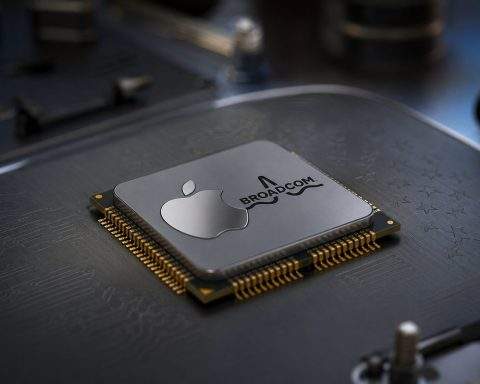
Supply is the other part of the bullish argument. Apple has agreed to spend over $30 billion in a new deal with Broadcom NASDAQ:AVGO through 2031, which will include at least 15 billion U.S.-made connectivity chips and a $1.5 billion expansion at Broadcom’s Colorado facility. EMARKETER analyst Jacob Bourne called the agreement a way to “buy supply-chain certainty.” Apple CEO Tim Cook said the chips are “essential to delivering the incredible performance and connectivity our customers expect.” Reuters
Apple filed a lawsuit against OpenAI and two ex-employees on Friday, accusing them of working together to take confidential design and manufacturing info tied to OpenAI’s push into consumer hardware. Apple claimed more than 400 of its former staff now work for OpenAI. OpenAI said it isn’t after its competitors’ trade secrets. There’s no clear financial impact yet. The dispute shows the AI race is spilling into hardware design, suppliers, and specialist workers—spaces key to how Apple competes.
Rates are in focus next week with key U.S. inflation data set for Tuesday at 8:30 a.m. EDT. Fed Chair Kevin Warsh testifies before the House at 10 a.m. Tuesday, and then before the Senate along with fresh producer-price numbers on Wednesday. Apple’s fiscal Q3 earnings come July 30 at 5 p.m. EDT. High-P/E stocks can swing on rate talk since higher rates cut the value of future profit. Terry Sandven, chief equity strategist at U.S. Bank Wealth Management, called this earnings period “a high-bar quarter with a narrow margin of error.” Bureau of Labor Statistics
A pause or sideways trade near records is the base case unless earnings estimates change. Softer inflation and more upgrades back the higher end of the new analyst range. Analysts say Apple showing it can raise prices without hurting unit demand would do more for the stock than new product rumors.
But the risks go in both directions. If inflation drops, yields might come down but that could also signal softer consumer demand. If inflation stays stubborn, rates could remain high, putting pressure on Apple’s valuation. The bigger risk is a selloff before July 30 if markets decide Apple’s services growth, ability to raise prices and supply cost cuts don’t justify a multiple higher than 38 times trailing earnings.
Apple’s next forecast is less about hitting another high and more about whether earnings projections can match a share price that’s already reached the typical Wall Street target.
Related articles: NASDAQ:AAPL