London, July 13, 2026, 09:26 (BST)
FTSE 100 dips as AstraZeneca, HSBC weigh; BP, Shell up Britain’s FTSE 100 dipped 0.1% to around 10,486 early Monday, with 53 out of 100 members rising, according to delayed price data. BP (LON:BP) was up 2.2%, Shell (LON:SHEL) added 1.1%. Still, AstraZeneca (LON:AZN) dropped 1.4% and HSBC (LON:HSBA) slipped 0.6%, dragging the index lower even with more advancers than fallers.
The split is important since the FTSE’s market value weighting means bigger firms move the index more than smaller stocks. So the benchmark is reflecting concentration risk, not a full market pullback in London, at a time when investors are picking oil names over stocks hit by UK borrowing costs.
Using holdings as of May 31 in Vanguard’s FTSE 100 tracker as a stand-in for current weights, AstraZeneca and HSBC together trimmed about 0.17 percentage point from the index’s initial move. BP and Shell contributed roughly 0.15 point. Each percentage point is a direct hit to the index return. Without BP and Shell’s gains, the FTSE would have ended up about 0.26% lower. Skipping the declines from AstraZeneca and HSBC, the index would be about 0.06% higher.
| Company | Tracker weight | Early move | Approx. FTSE effect |
|---|---|---|---|
| AstraZeneca | 8.18% | down 1.42% | cuts about 0.12 percentage point |
| HSBC | 9.46% | off 0.57% | down 0.05 |
| Shell | 7.01% | up 1.12% | adds 0.08 |
| BP | 3.23% | jumped 2.19% | about plus 0.07 |
The estimates are based on rounded tracker weights and share prices with a lag. Real index weights shift as the market changes.
Oil steadied the market. Brent crude rose 4.3% to $79.31 a barrel as fighting picked up in the Gulf and Iran announced it had shut the Strait of Hormuz. U.S. officials reported about 20 ships had made it through the passage in the last day, but ship-tracking showed light movement. Sterling dropped 0.2% to $1.3383.
Domestic shares also felt the hit. The yield on Britain’s 10-year government bond moved up three basis points to 4.91%. One basis point equals one-hundredth of a percent. The FTSE 250, which has more UK exposure, dropped 0.18% to 23,329.43, so the oil boost seemed limited to major energy names.
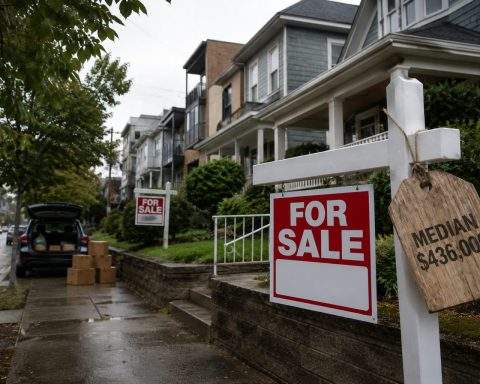
Housebuilders moved higher even as wider markets struggled. Persimmon (LON:PSN) gained about 3% and Barratt Redrow (LON:BTRW) was up 2.6% after The Times said Labour’s Andy Burnham plans to look at bringing back Help to Buy. The previous version required at least a 5% deposit from buyers and offered a government equity loan. It stopped taking new applications in 2022, with the last completions in 2023.
AstraZeneca slid after HSBC analysts downgraded the stock to “hold” from “buy” and lowered their price target to £137.50 from £165. The move came after Wainua missed the main endpoint in a late-stage trial for heart disease. AstraZeneca shares are down 11.2% in a week, putting extra pressure on the national benchmark. Investing.com
Jefferies Financial Group NYSE:JEF analyst Mohit Kumar said the firm is still hopeful the two sides will get back to talks. Independent analyst Nick Bubb, looking at the rumored October UK budget, was blunt: “Good luck with that timing.” The Guardian
But the housebuilder rally relies on policy that isn’t approved yet, and a gilt yield close to 5% is still making mortgages hard to afford. If disruption at Hormuz drags on, that could push up fuel prices, stoke inflation, and send UK rate bets higher, hitting domestic stocks. BP and Shell might keep supporting the FTSE, but then the index would reflect less of the wider UK market.
June U.S. CPI data lands Tuesday, with Fed Chair Kevin Warsh set to testify in Congress. Both events could move bond yields and the dollar. In London, a drop in inflation or oil might widen the market rally past energy. But another oil jump would leave FTSE’s sector concentration in the spotlight.