NEW YORK, July 16, 2026, 17:19 EDT — U.S. cash markets ended the session.
- Brent and WTI are currently trading about 11% higher compared to where they settled on July 10.
- U.S. consumer prices dropped 0.4% in June, as energy costs slumped 5.7%.
- Markets are pricing in a 53% probability of the Federal Reserve raising rates in September.
A sharp recovery in oil prices is emerging as the primary hurdle for an extended pause by the Federal Reserve. Brent ended Thursday at $84.23 per barrel, and WTI finished at $78.95, with both benchmarks slipping roughly 1% in the session. Nonetheless, prices hovered close to their highest levels in a month.
Timing is now crucial. June’s decrease in inflation was mostly driven by lower fuel prices. The energy index declined by 5.7%, while gasoline was down 9.7%. These figures do not reflect the most recent jump in crude oil prices.
Energy accounted for 7.791% of the June CPI basket. With a 5.7% decrease, it contributed an estimated 0.44 percentage-point pull on the index—greater than the 0.4% overall drop. Energy alone more than accounted for the total decline.
June’s mild reading offers less insight into future trends than is typical. The ongoing trend in oil prices stands out as the key indicator. A single day’s decline has minimal impact.
Oil prices have climbed since July 10, whereas equities sensitive to interest rates have declined. The percentage changes shown below reflect closing and settlement prices from those two dates.
| Market signal | July 10 | July 16 | Move |
|---|---|---|---|
| Brent crude | $76.01 | $84.23 | up 10.8% |
| WTI crude | $71.41 | $78.95 | up 10.6% |
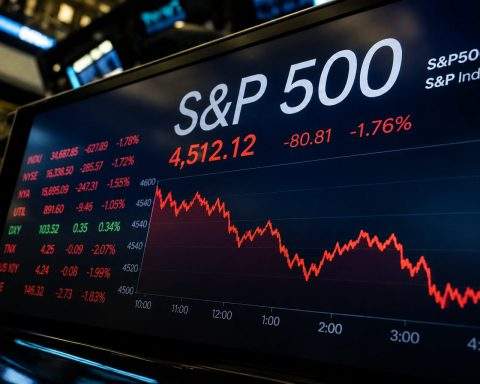
| S&P 500 | 7,575.39 | 7,533.77 | down 0.5% |
| Nasdaq Composite | 26,281.61 | 25,881.95 | down 1.5% |
The 10-year Treasury yield closed at around 4.57%, remaining almost unchanged for the week. The two-year yield climbed to 4.154% on Thursday. This trend indicates that investors continue to factor in Federal Reserve risk, while not fully betting on a decisive move away from inflation.
CME Group’s NASDAQ:CME FedWatch Tool indicated on Thursday a 53% likelihood of a rate increase in September. Following Wednesday’s PPI data, the probability for a July hike stood at just 10.2%. Holding rates steady in July continues to be the baseline expectation.
U.S. consumer prices dropped 0.4% in June, with core CPI remaining steady. Headline inflation cooled to 3.5%, and core inflation slipped to 2.6%. Producer prices declined 0.3%. Excluding food, energy and trade services, that index increased 0.1%, keeping its yearly pace at 5.1%.
Consumer demand remains resilient. Preliminary June retail sales increased by 0.2%, while weekly jobless claims dropped to 208,000. This combination allows policymakers to pause for now, though it offers limited justification for announcing success.
Dallas Fed President Lorie Logan stated that “modestly higher interest rates” could help balance risks more effectively. Governor Christopher Waller noted that concerns over energy pass-through had diminished, but cautioned that previous increases in spot prices might still impact core inflation. Federal Reserve Bank of Dallas
Crude’s rally may be fueled by market positioning. Ed Hayden-Briffett, analyst at The Officials, noted that investor positioning “was very short” ahead of the escalation. The surge was probably hastened by short covering. Reuters
June import and export price data is set for release on Friday. The upcoming week features a lighter calendar, with state labor statistics on Tuesday and new-home sales figures on Friday. The Federal Reserve is scheduled to meet July 28-29. Until then, oil-related headlines could take center stage.
Risks: A diplomatic breakthrough in Hormuz may rapidly remove the oil premium. If disruptions occur at both Hormuz and Bab el-Mandeb at the same time, expenses for shipping, insurance and fuel would climb.
Investors still see a July pause as the most probable scenario. The outlook for September, however, is less certain. If Brent remains around current prices into late July, risks of further tightening persist. Should crude prices retreat and two-year yields decline, that argument would become less compelling.
Related articles: NASDAQ:CME