NEWARK, July 17, 2026, 06:15 EDT
- Direct General Fund support increases to $302.2 million, up from a revised $230.6 million the previous year.
- Fare revenue remains set at $980 million following a shortfall of roughly $48 million against last year’s target.
- Based on rounded totals, state aid accounts for roughly 69% of increased operating spending.
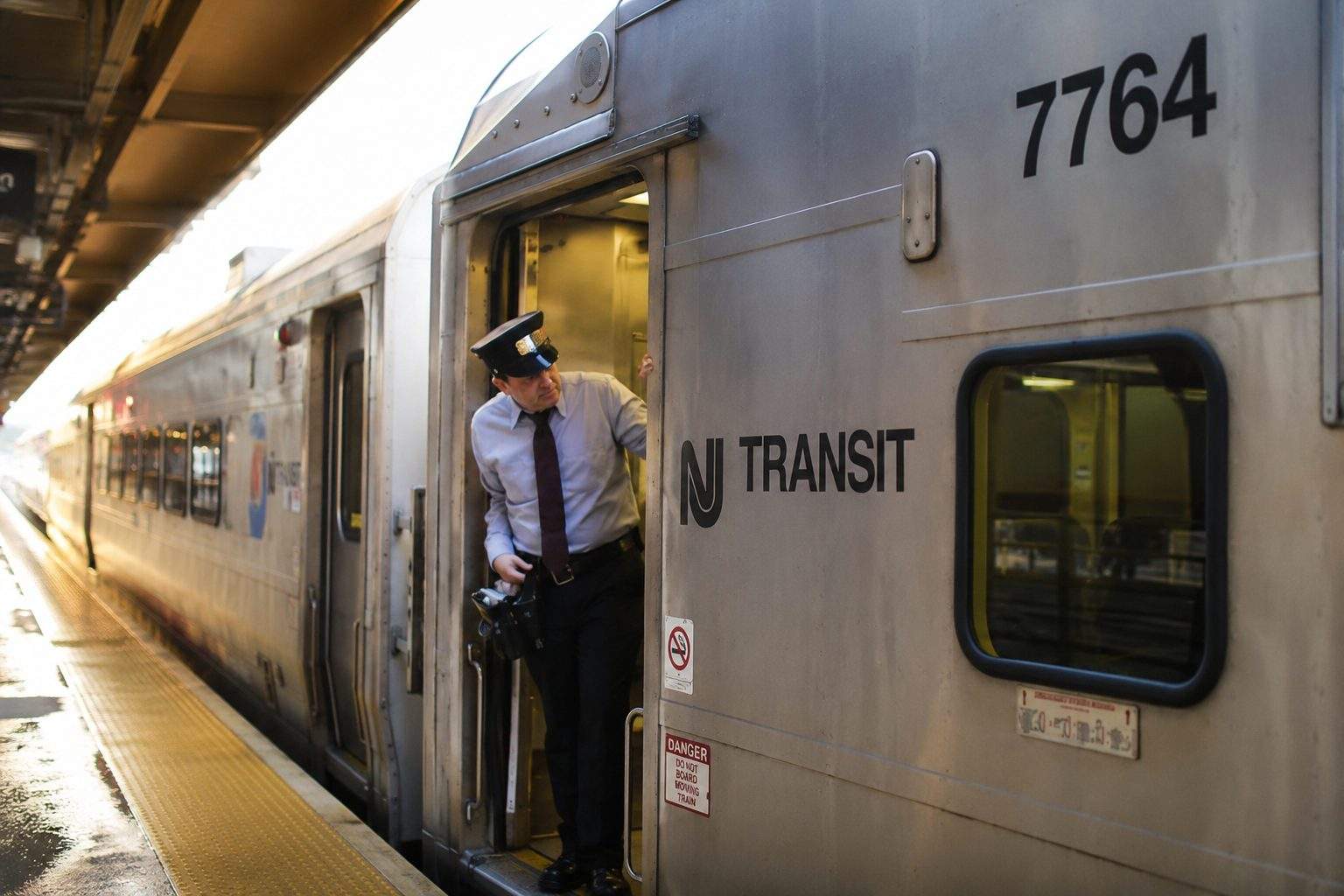
NJ Transit on Thursday approved a $3.5 billion operating budget, increasing the General Fund backstop in the initial plan.
Direct aid will total $302.2 million, marking a 31% increase over the previous year’s revised amount. The last budget allotted just $43.9 million.
The development is significant for investors. New Jersey increased direct aid by roughly $187 million in response to a drop in corporate-fee revenues.
The projection for fiscal 2027 now includes the backstop from the outset. Rounded estimates indicate state aid covers 69% of the additional spending.
| $ millions | FY2026 original plan | FY2026 revised or estimated | FY2027 adopted |
|---|---|---|---|
| General Fund contribution | 43.9 | 230.6 | 302.2 |
| Corporate Transit Fee | 789.0 | Approximately 602 | 765.6 |
| General Fund and fee total | 832.9 | Approximately 832.8 | 1,067.8 |
| Fare income | 980.0 | Approximately 932 | 980.0 |
| Operating budget | 3,160 | n/a | 3,500 |
*Figure calculated from rounded totals by state.
Early estimate calculated from the reported $48 million gap in fares.
The Corporate Transit Fee imposes a 2.5% levy on taxable income over $10 million in New Jersey. The fee is set to expire after December 31, 2028.
The sunset is significant as fares are not offsetting the shortfall. Projected fare revenue remains at $980 million, even with an additional 3% yearly hike.
Fare revenue now accounts for 28% of funding, down from 31%. General Fund and fees make up 30.5%, up from about 26.4%.
Chief Executive Kris Kolluri stated that “the costs are real.” Labor expenses were almost $103 million above budget last year, while fringe benefits surpassed projections by $70.5 million. News From The States
Roughly 60% of the fiscal 2027 budget is allocated to labor expenses, impacting about 12,900 employees.
The total for capital funding stands at $1.733 billion, with the majority sourced from federal transit grants and the New Jersey Transportation Trust Fund.
U.S. equity markets remained shut at 06:15 EDT. Main trading is set to begin at 09:30 EDT.
Municipal yields increased last week, with FMS Bonds reporting AAA 10-year yields at 3.05%, a gain of 10 basis points. The firm’s 30-year benchmark also climbed five basis points to 4.25%.
New Jersey’s enacted budget totals $60.7 billion and includes a $6.084 billion surplus. However, it also faces a $1.35 billion structural deficit. This provides temporary relief for transit funding but does not guarantee a lasting solution.
In the coming week, investors are expected to focus on operational execution instead of fares. Labor management and revenue from corporate fees remain the primary variables.
Risks persist. An additional corporate-profit shortfall may increase General Fund requirements. The fee will end after 2028, and labor is still the greatest expense. A softer state revenue outlook would lessen the buffer.
The budget currently ensures operations through fiscal 2027 and links transit funding more directly to New Jersey’s overall fiscal condition.