LOS ANGELES, July 18, 2026, 10:08 a.m. PDT
Delta’s new Los Angeles-Manila service would create between 1.46 billion and 1.63 billion available seat miles each year if operated daily at full capacity. The provisional estimate represents around 0.5% of second-quarter system capacity on an annualised basis.
The distance between Manila and Los Angeles is around 7,300 miles, representing a significant mileage total for a single daily flight.
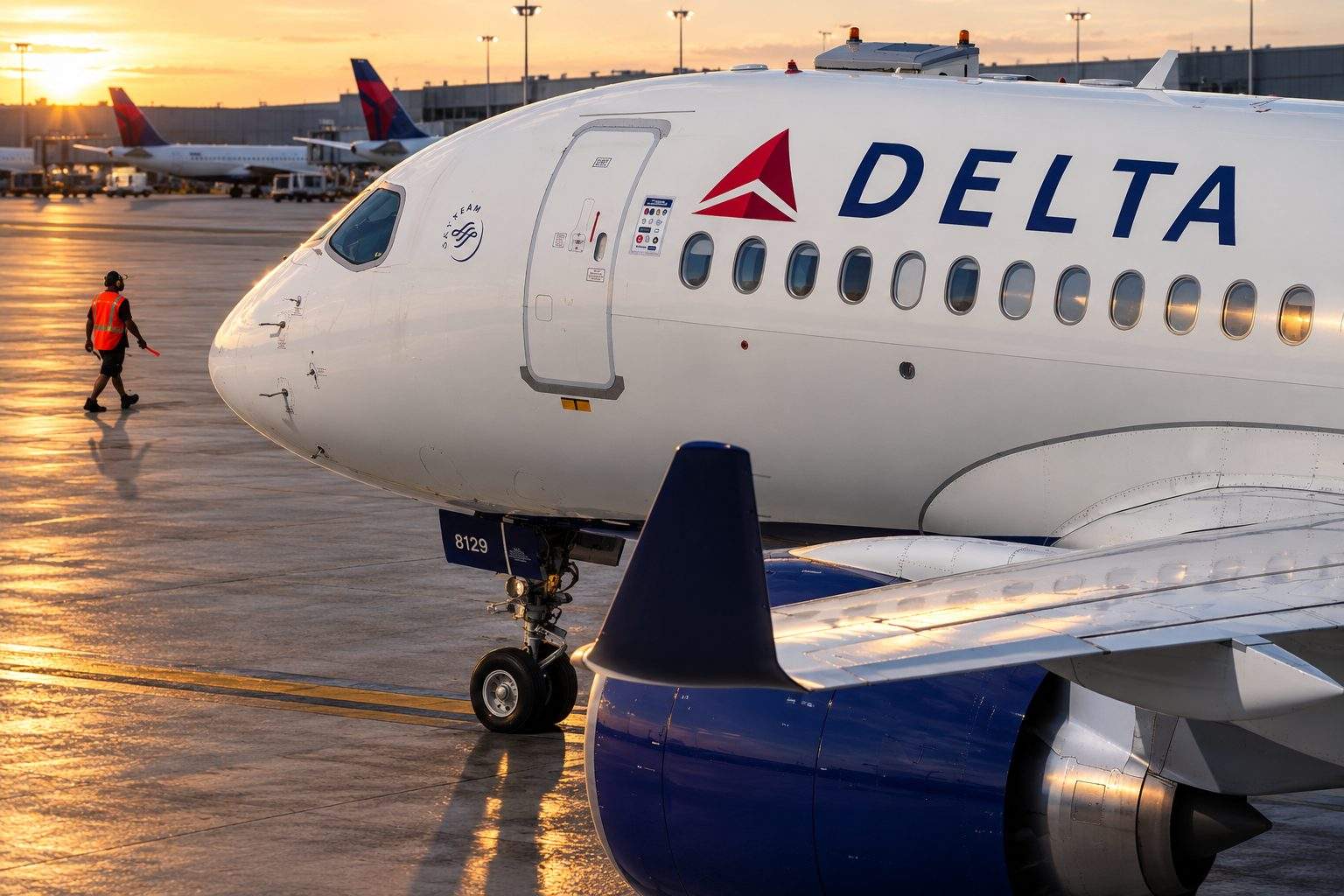
Delta plans to launch three weekly flights starting March 28, 2027, with service expanding to daily flights from June 7. The phased rollout is aimed at limiting initial capacity exposure.
Delta’s two published A350-900 configurations each offer 80 Delta One and Premium Select seats. Daily flights would add up to 560 of these seats per week in both directions.
Delta’s cabin configuration aligns with its top revenue segment, as premium revenue grew 17% last quarter and overall system capacity was up roughly 1%.
Jeff Arinder, Delta vice president of network planning, said Manila was a logical addition. Los Angeles “home to one of the largest Filipino communities outside the Philippines,” he told AFAR. AFAR Media
Delta to be sole U.S. airline on nonstop route. Philippine Airlines, owned by PAL Holdings PSE:PAL, currently operates the route and increased weekly flights from 14 to 18 in June.
The published schedules indicate a gradual entry into the market. These projections are based on Philippine Airlines maintaining its existing frequency until 2027.
| Route measure | March 28 to June 6 | From June 7 |
|---|---|---|
| Delta flights per week, each direction | 3 | 7 |
| Delta seats per week, each direction | 825–918 | 1,925–2,142 |
| Delta One and Premium Select seats | 240 | 560 |
| Delta’s share of non-stop flights | 14.3% | 28.0% |
| Annualized route ASMs, total both directions | 0.63–0.70 billion | 1.46–1.63 billion |
Initial estimates. Seat counts are based on Delta’s two listed A350-900 configurations. ASMs are calculated by multiplying seats by approximately 7,300 operational miles. Shares of departures reflect the 18 weekly flights announced by Philippine Airlines as a baseline.
Delta would make up 28% of joint daily departures. Nonstop frequency overall would increase by about 39% over the Philippine Airlines baseline. The first three-flight schedule brings a more modest 17% rise.
The route receives additional domestic feed from Delta’s Los Angeles hub, which operates over 160 peak-day departures to more than 50 destinations.
Delta posted adjusted revenue of $17.7 billion for the second quarter, a rise of 14%. The carrier maintained its full-year adjusted earnings outlook at $6.50 to $7.50 per share.
U.S. markets did not trade on Saturday. Delta shares closed Friday at $84.17, falling 2.9% on the session. The stock declined 3.7% across the week.
The route will remain closed to passengers in 2026. Investor value is based on anticipated future premium demand and connecting traffic.
Risks are still focused on fuel, aircraft deployment and pricing. Philippine Airlines may respond by cutting fares or adding capacity. Delta’s adjusted fuel costs rose 77% last quarter.
The next sector assessment is set for Thursday, July 23, with American Airlines Group NASDAQ:AAL and Southwest Airlines NYSE:LUV scheduled to release second-quarter earnings. Investors will focus on updates regarding pricing, capacity, and fuel.