SEATTLE, July 22, 2026, 03:10 PDT
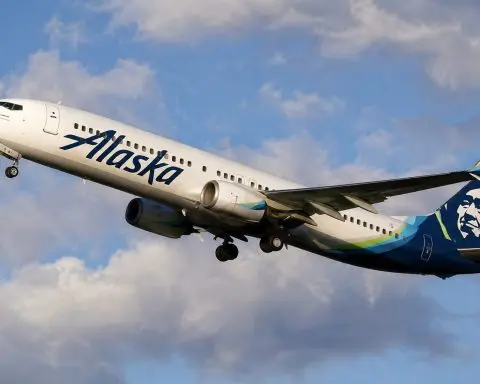
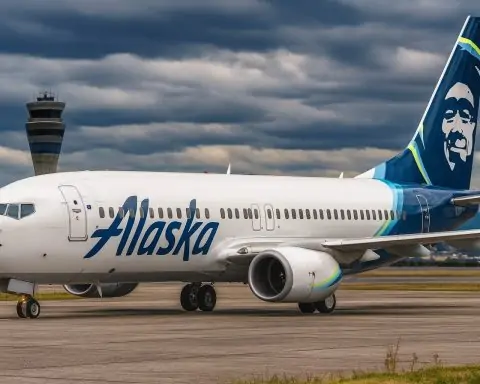
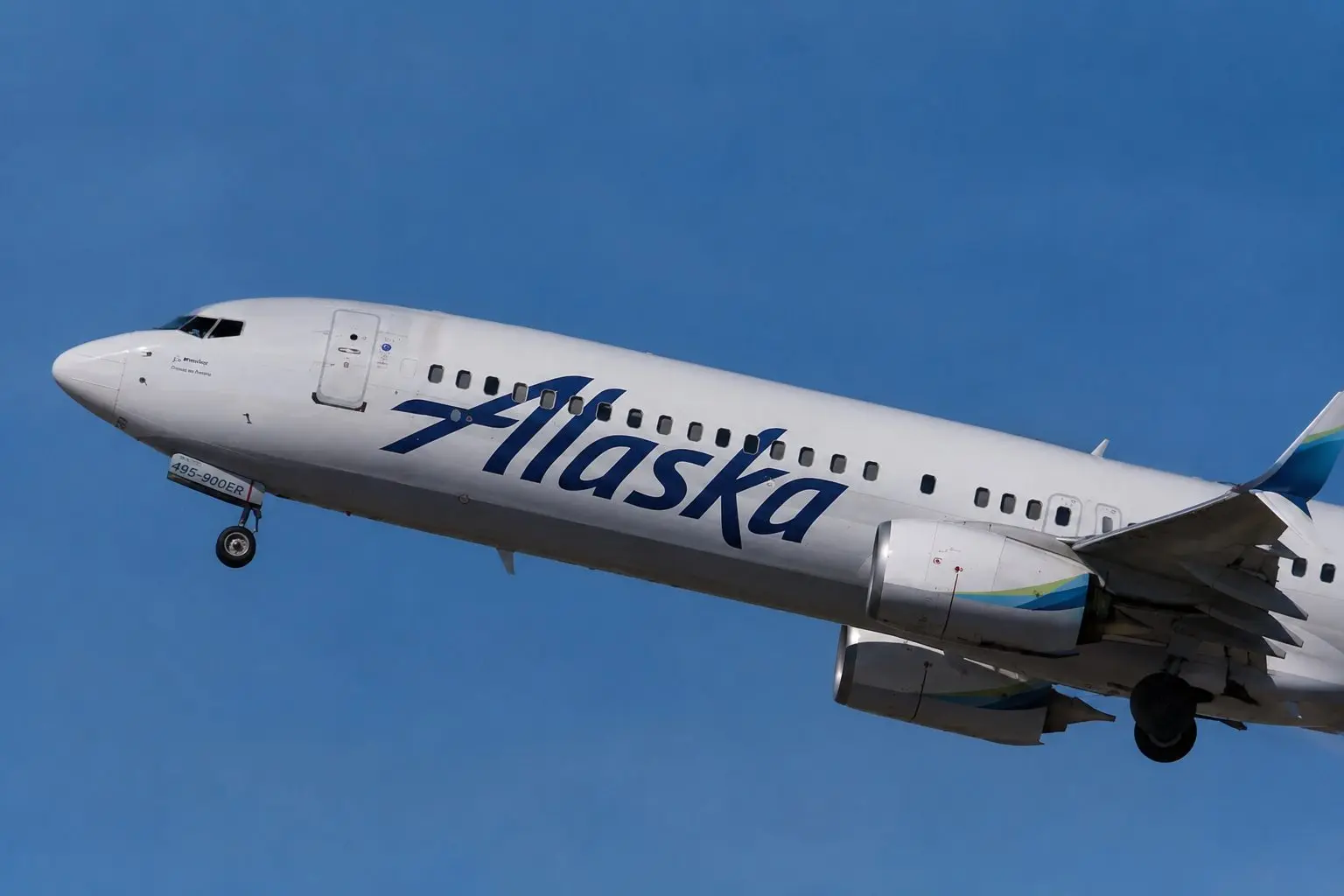
Alaska Air Group NYSE:ALK is set to implement a two-phase increase in capacity across Hawaii. The carrier will expand interisland seating by around 25% using Boeing NYSE:BA 737-800 aircraft. Additionally, four leased freighters are expected to nearly double the airline’s dedicated cargo capacity.
The investment thesis is based on composition rather than purely scale. Cargo revenues increased by 21% in the last quarter, outpacing overall revenue growth by more than twofold.
However, gains in the short term are capped by timing constraints. Alaska’s $150 million yearly cargo-profit goal is equivalent to a quarter of the $600 million extra fuel expense incurred in the second quarter. Fuel continues to dominate as the biggest driver of earnings.
Hawaiian Airlines plans to phase out 19 Boeing 717 aircraft, each over 20 years old. The 737-800 model can seat approximately 160 passengers, compared to the current 128. The shift is set to begin in 2028.
The layout of the cabin now favors more high-yield seats. Alaska stated that the aircraft will feature twice as many First Class seats as before, along with over 30 additional Premium Class seats.
An Alaska-branded 737 is set to begin testing the route earlier, with three round-trip flights per day between Honolulu and Kahului launching in October.
| Investor metric | Current or base | New or target | Change |
|---|---|---|---|
| Interisland seats per aircraft | 128 | About 160 | Increase of roughly 25% |
| Dedicated freighter count | 5 | 9 | Up 80% |
| Dedicated freighter capacity index | 100 | About 200 | Increase of about 100% |
| Second-quarter revenue growth | Total: 10% | Cargo: 21% | Cargo rose over twice as quickly |
| Profit scale | $150 million annual cargo target | $600 million quarterly fuel hit | Target represents 25% |
An initial assessment of capacity index provides a further indicator. The four additional freighters contribute capacity roughly equal to Alaska’s present fleet of five aircraft, suggesting each new plane delivers about 25% greater capacity compared with the average of the existing jets. The precise tonnage has not been made public.
The freighters are expected to begin operating in the first half of 2027. They will be deployed to Alaska and Hawaii under extended leases. Cargo head Ian Morgan said the growth creates “new international shipping opportunities” for seafood and other cargo. Alaska Airlines
Hawaiian CEO Diana Birkett Rakow described the move to acquire new aircraft as a strategic choice for the future. “This decision reflects our commitment to invest in Hawai‘i for the long term,” she said. PR Newswire
The fleet announcement was accompanied by softer short-term guidance. Alaska projects adjusted earnings for the third quarter will range from zero to $1 per share, with the midpoint at 50 cents. This figure is roughly 64% lower than the $1.38 analyst consensus, according to Reuters.
The divide also sets Alaska apart from its bigger competitors. Delta Air Lines NYSE:DAL kept its yearly guidance unchanged, while United Airlines NASDAQ:UAL lifted the bottom of its projection.
As of 03:10 PDT, NYSE regular trading had ended. Alaska closed Tuesday at $45.46, marking a 3.0% drop over the last five sessions. According to Reuters, the stock slipped an additional 1.7% after hours.
Investors will focus on Wednesday’s 08:30 PDT earnings call in the coming week. Fuel costs are in the spotlight. Alaska’s Ryan St. John stated that prices approaching $4 per gallon could bring earnings closer to the lower range of guidance. “It’s really hard to know where fuel is going to settle,” he said. Alaska Airlines
Risks: Fuel prices approaching $4 may drive third-quarter earnings close to breakeven. Hawaii continues to create a two- to three-point drag in unit revenue. Specifics on lease pricing and transition costs have not been released.
Alaska’s fleet plan is expected to enhance its earnings mix starting in 2027. Until then, fuel costs and Hawaii pricing continue to be the primary challenges for the stock.