
MOUNTAIN VIEW, California, August 17, 2026, 01:03 PDT — Pre-market trading in the U.S. was underway.
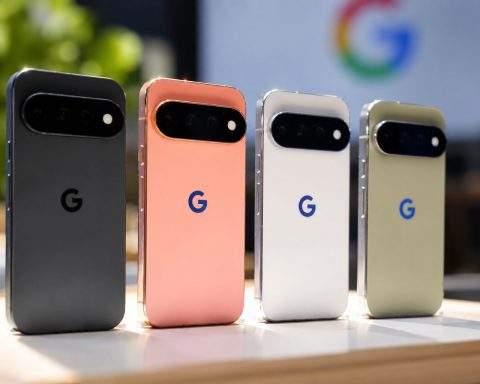
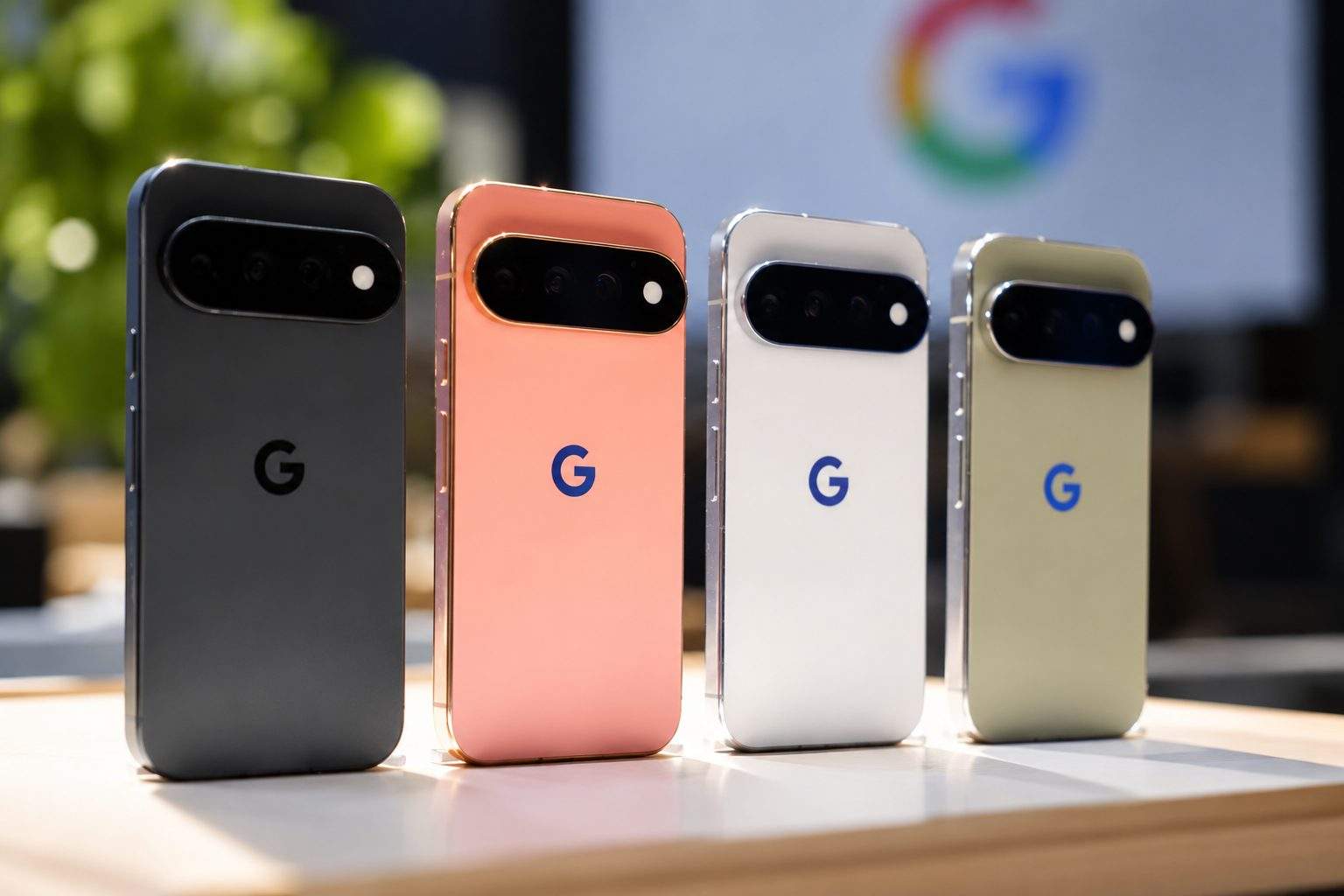
Alphabet Inc. NASDAQ:GOOGL has increased the starting price for each Pixel 11 phone by $100 compared to last year’s equivalent version. However, the initial weekend of preorders is buoyed by significant incentives from retailers and carriers, with some deals offering savings of about $1,300 on eligible trade-ins and plans.
This forms the main challenge for investors. Google aims to raise smartphone prices as its partners take on some of the consumer impact. The move may enhance the product mix, but Alphabet may not see the entire $100 boost in revenue per device.
| Model | Pixel 10 launch price | Pixel 11 launch price | Change |
|---|---|---|---|
| Pixel | $799 | $899 | +12.5% |
| Pixel Pro | $999 | $1,099 | +10.0% |
| Pixel Pro XL | $1,199 | $1,299 | +8.3% |
| Pixel Pro Fold | $1,799 | $1,899 | +5.6% |
At launch, Google set prices for the Pixel 10, 10 Pro and 10 Pro XL at $799, $999 and $1,199, with the foldable model starting at $1,799. The starting price for the Pixel 11 lineup is now $899, rising to $1,899 for the Fold.
| Channel | Current preorder incentive | Investor read-through |
|---|---|---|
| Google Store | $100–$350 in store credit, model dependent | Helps premium product mix at expense of direct incentives |
| Amazon | $100 gift card for Pixel 11; trade-in options offered | Lowers buyer outlay without reducing MSRP |
| Best Buy | Gift cards reaching $350 | Third-party retail support extends launch exposure |
| Major U.S. carriers | Eligible plans provide credits that may fully offset device cost | Carrier-backed deals keep MSRP intact for Google |
The full details of how these promotions are financed have not been made public. In certain cases, carriers or retailers provide incentives, and Google may contribute through additional credits or trade-in programs. As a result, investors should not simply equate the increase in list price with a corresponding rise in hardware gross margin.
| Alphabet metric | Latest reported figure | Why it matters for Pixel |
|---|---|---|
| Q2 2026 revenue | $119.8 billion | Pixel accounts for a small share of Alphabet’s entire operation |
| Google Cloud growth | +82% year over year | Primary profits still come from AI infrastructure |
| Q2 capital spending | $44.9 billion | Investors look to AI spending results |
| Q2 free cash flow | -$5.9 billion | Heightened spending puts focus on earning returns |
| Subscriptions, Platforms and Devices revenue | $12.9 billion | Pixel’s revenue falls under this wider unit |
Alphabet does not disclose revenue or unit sales specifically for Pixel. The Devices segment is reported within the wider Subscriptions, Platforms and Devices category, which also includes Google Play and consumer subscriptions.
The wider category generated $12.9 billion in the second quarter, just under the $13.1 billion consensus estimated by Evercore ISI. This miss highlights the increasing importance of Pixel as an ecosystem and tool for AI deployment, rather than its individual contribution to earnings.
Alphabet’s most recent quarter highlighted the scope of the ongoing discussion. Revenue was $119.8 billion, and capital expenditures rose twofold to $44.9 billion. Free cash flow was negative by $5.9 billion. Revenue from Google Cloud climbed 82%.
Recent moves by institutional investors contrast with worries over cash flow. Berkshire Hathaway raised its Alphabet holdings by 83% in the second quarter, to almost 106 million shares valued at close to $37.8 billion as of June 30. This positioned Alphabet as Berkshire’s third-biggest publicly traded equity investment.
| Firm | Rating | Price target | Recent action |
|---|---|---|---|
| J.P. Morgan | Overweight | $420 | Reduced from $460 after Q2 |
| Bank of America | Buy | $430 | Maintained after Q2 |
| UBS | Neutral | $379 | Lowered from $400 |
| D.A. Davidson | Neutral | $350 | Decreased from $375 |
Wall Street is divided on the outlook for spending. J.P. Morgan maintained its Overweight stance with a $420 price target, and UBS held its Neutral view at $379. Bank of America stood firm with a bullish $430 target, while D.A. Davidson kept its Neutral position at $350.
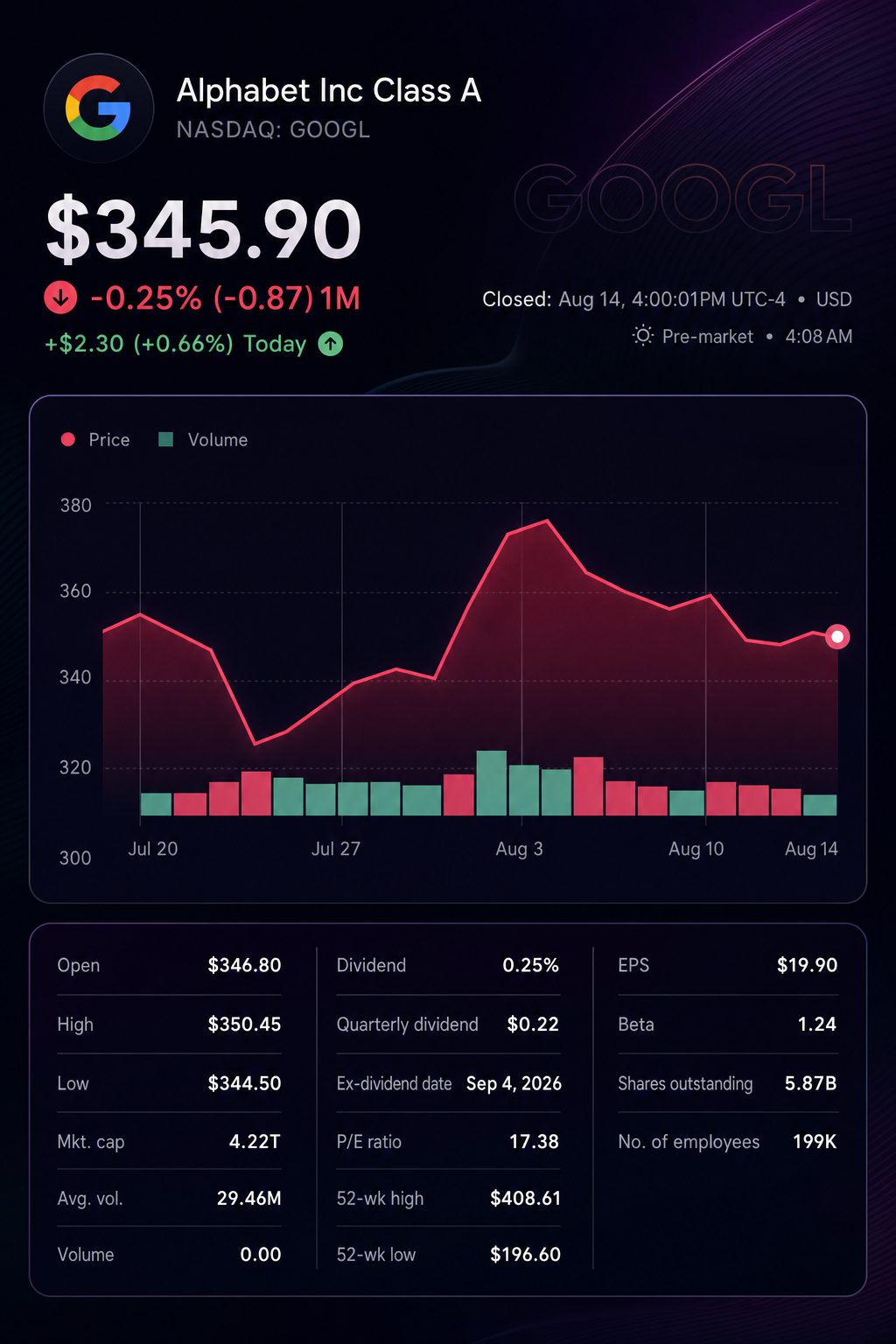
Alphabet Class A stock finished Friday at $345.90, declining 0.13% on the day. The share price begins Monday trading beneath multiple bullish price targets set after earnings, but remains near D.A. Davidson’s neutral assessment.
Risks: Real-time data on Pixel demand is unavailable, and the economics behind promotions are not transparent. Substantial subsidies may support unit sales but could reduce actual margin. Additionally, a prolonged upgrade cycle may restrict gains from higher sticker prices.
The headline MSRP alone is not the main signal. Investors should monitor if incentives diminish after shipments start on August 20, if customer demand shifts to Pro models, and if Alphabet’s upcoming results indicate stronger growth in Subscriptions, Platforms and Devices. The Pixel 11 release acts as a pricing test for Google’s consumer AI stack rather than serving as a separate earnings thesis.
Related articles: NASDAQ:GOOGL