
WASHINGTON, August 24, 2026, 13:55 EDT
- The Department of Homeland Security suggested a fee of $103,265 for eligible new H-1B petition filings.
- The charge is approximately 21 to 52 times higher than what was previously considered the normal range.
- Amazon topped the most recent quarterly employer figures, recording around 2,661 approvals.
- The rule is still subject to potential lawsuits and a 30-day public comment period.
On Monday, the Trump administration unveiled a proposal for a $103,265 nonrefundable fee on certain new H-1B applications, transforming a typical hiring expense into a major capital outlay. The proposed measure would predominantly impact major technology firms that routinely hire hard-to-find engineering talent in bulk.
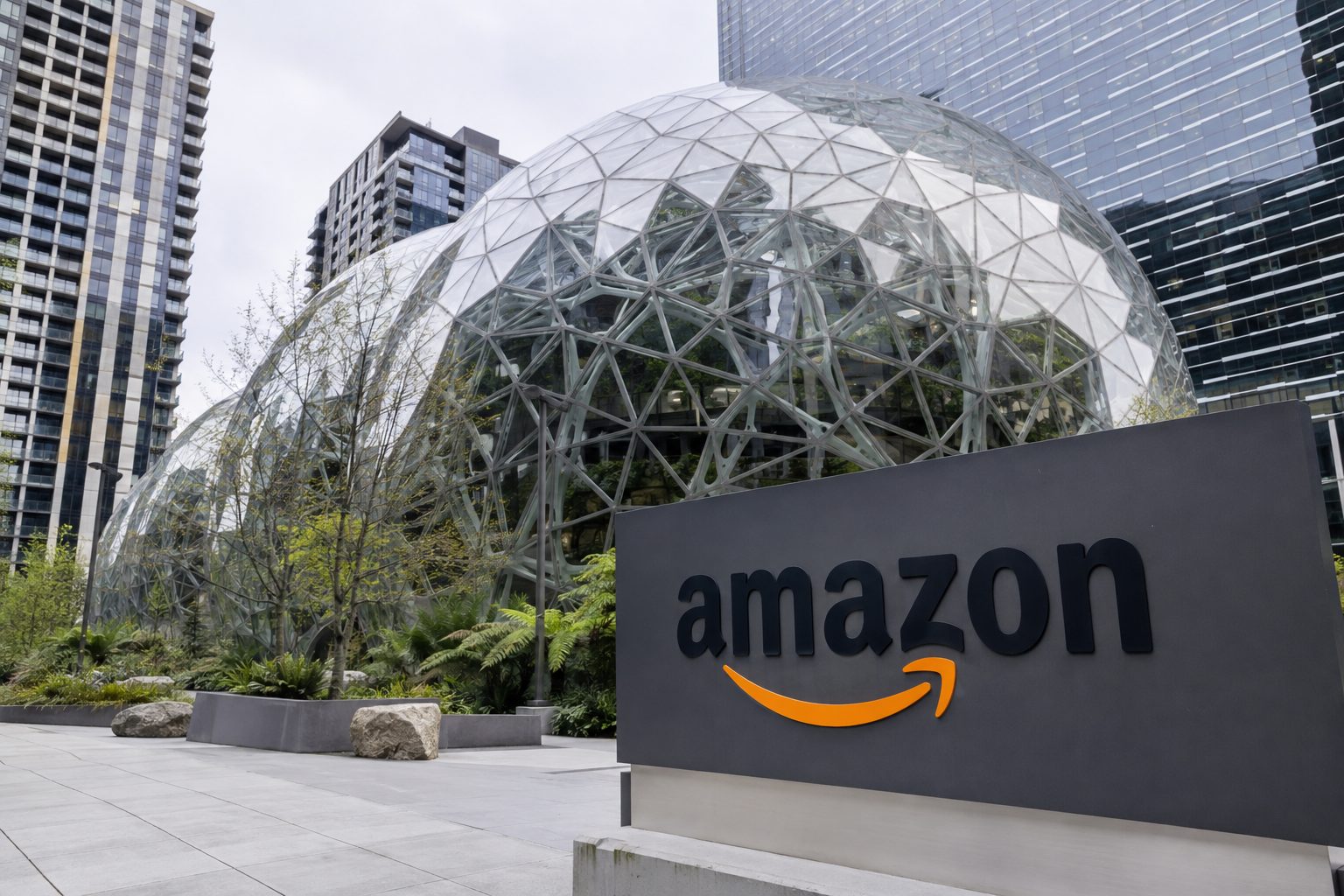
Amazon.com, Inc. NASDAQ:AMZN stands out as the most transparent among public firms. Its primary U.S. services unit logged 2,008 approvals in recent quarterly employer records. Factoring in three additional Amazon entities, the overall total reaches approximately 2,661.
| Fee measure | Amount | Investor read-through |
|---|---|---|
| Previous standard fees | $2,000–$5,000 | Typical recruitment expense |
| Suggested covered-petition fee | $103,265 | Significant cost per hire |
| Increase compared to previous range | Roughly 21–52-fold jump | Encourages targeted, high-priority recruitment |
| Yearly legal maximum | 85,000 visas | 65,000 regular and 20,000 for higher degrees |
Amazon’s primary financial risk does not stem from the direct bill. Greater concerns relate to employee flexibility in areas such as artificial intelligence and cloud infrastructure. Increased hiring costs could also extend recruitment periods or push additional work overseas.
The proposal contains significant restrictions. Renewals and a majority of applicants currently in the United States on student visas would not be included. These exclusions limit the upfront financial impact on established teams.
| Employer | Latest quarterly approvals | Relative exposure signal |
|---|---|---|
| Amazon.com, Inc. NASDAQ:AMZN, combined entities | About 2,661 | Top level in the dataset |
| Tata Consultancy Services Limited NSE:TCS | 1,518 | Extensive services presence |
| Microsoft Corporation NASDAQ:MSFT | 1,179 | Significant demand for cloud and AI |
| Infosys Limited NYSE:INFY | 1,139 | Significant U.S. operational hub |
| Alphabet Inc. NASDAQ:GOOGL, Google unit | 1,040 | Strong demand for research |
Amazon possesses significant ability to handle the fee. The company’s second-quarter revenue increased 20% to $200.6 billion, while operating income surged 43% to $27.5 billion.
However, the company is already facing tough decisions regarding capital. Free cash flow flipped to a negative $7.6 billion. Amazon attributed this primarily to a $66.1 billion jump in property and equipment investment, largely driven by AI.
| Amazon Q2 measure | Q2 2026 | Year-on-year change |
|---|---|---|
| Net sales | $200.6 billion | up 20% |
| Operating income | $27.5 billion | up 43% |
| AWS sales | $42.2 billion | increase of 37% |
| AWS operating income | $16.6 billion | jumped 63% |
| Trailing free cash flow | -$7.6 billion | fell from +$18.2 billion |
Chief Executive Andy Jassy stated that AWS achieved its highest growth rate in 18 quarters. He also noted that Amazon’s AI and chip operations each reached $25 billion run rates. The growth boosts the worth of specialized technical expertise.
Amazon shares were at $260.87, up 0.87%, at 10:20 EDT Monday. The price shift was not solely attributed to visa-fee factors. Investors were active ahead of Nvidia’s upcoming results and important inflation updates.
| Analyst measure | Current reading | Reference point |
|---|---|---|
| Buy ratings | 58 | 60 analysts |
| Hold ratings | 2 | 60 analysts |
| Sell ratings | 0 | 60 analysts |
| Average target | $327 | 25.4% higher than $260.87 |
| Target range | $230–$405 | Valuation band is broad |
The cost difference is clear. Multiplying $103,265 by Amazon’s 2,661 quarterly approvals results in an approximate maximum of $275 million. This is not a projection, as numerous petitions may be eligible for exemptions.
Stricter screening is a more probable outcome. Employers may limit sponsorship to senior positions, hire more graduates already in the United States, or grow engineering hubs in other locations. Smaller firms are more affected by financing limitations.
The proposal now moves into a 30-day period for public comments. Final approval could come by year-end. Separately, a $100,000 order remains blocked after a federal judge deemed it unlawful.
Risks: Legal challenges could halt the rule, exemptions might reduce its impact, and employer-provided data does not directly translate to new visas eligible for charges.
Related articles: NASDAQ:MSFT