
CUPERTINO, California, August 25, 2026, 09:27 EDT
- Apple set the price of the M6 Mac mini at $899, marking a 12.5% increase over its most recent starting price.
- Apple reported Mac revenue of $10.35 billion in the June quarter, up 29%.
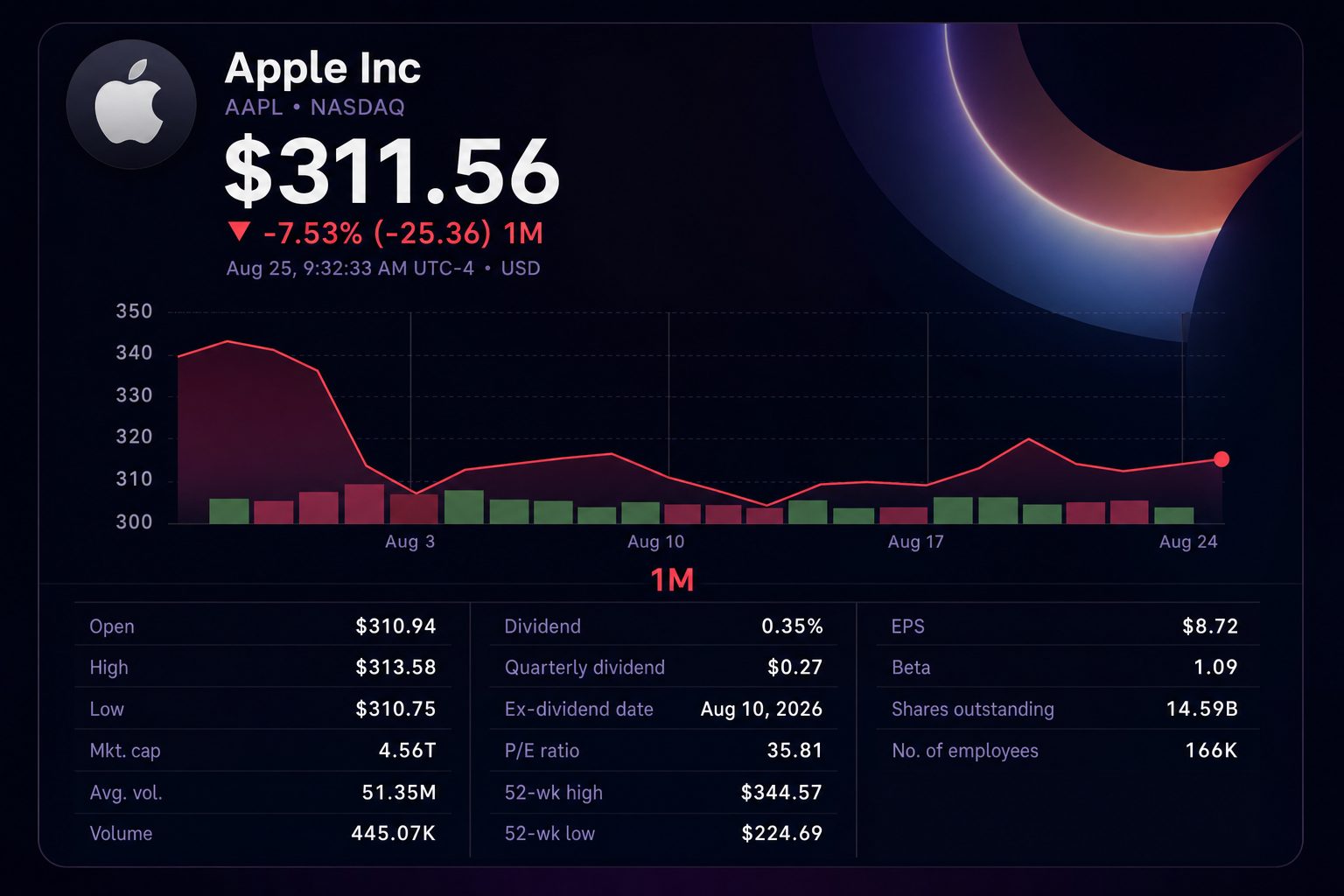
- Apple stock rose 0.1% before the bell, reflecting minimal initial investor reaction.
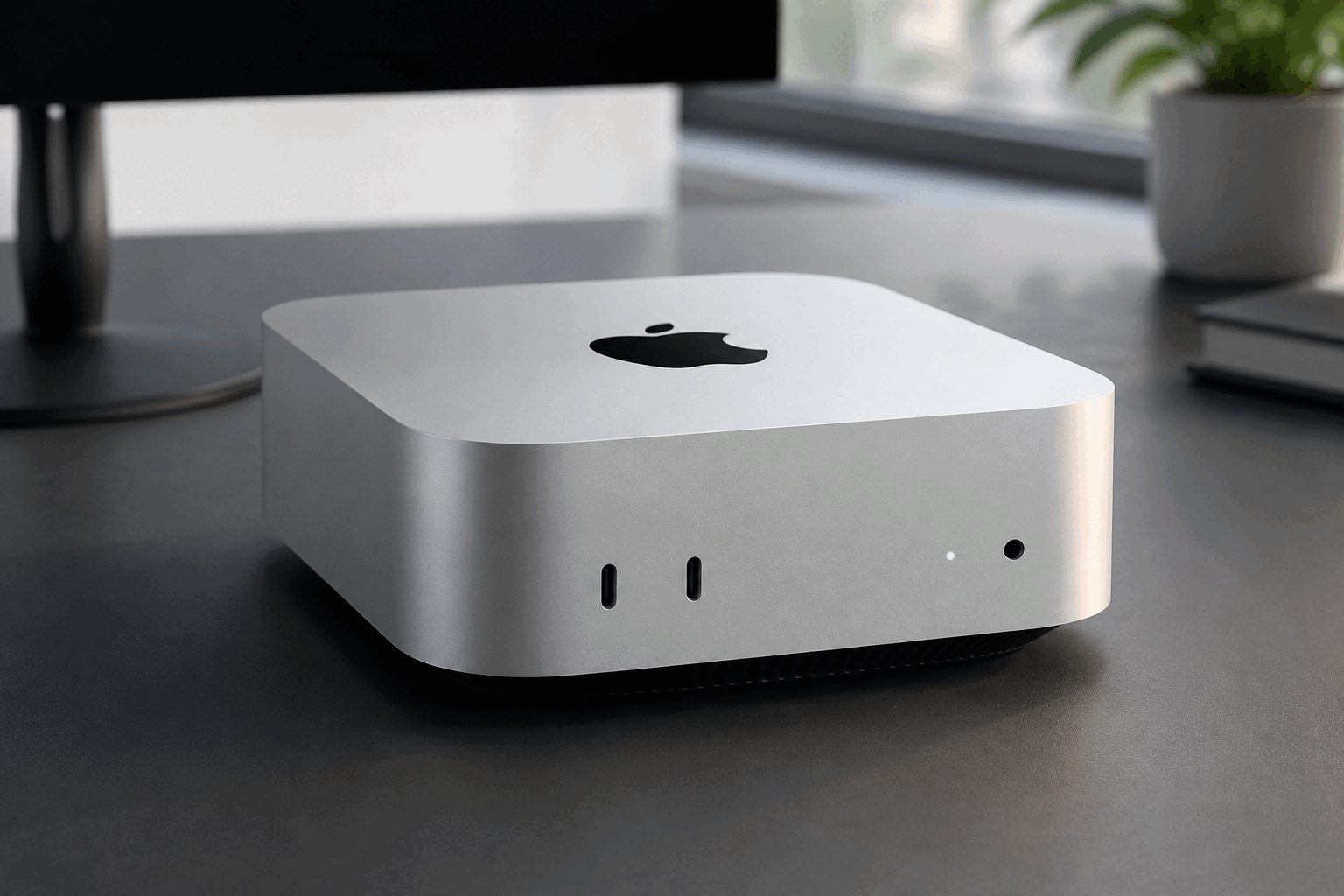
Apple Inc. NASDAQ:AAPL on Tuesday raised the starting price of its Mac mini by 12.5%. The company is assessing if demand among local-AI developers will withstand increased component expenses, while maintaining the pace in its fastest-growing hardware segment.
Priced from $899, the M6 model costs more than the current $799 M4. The M5 Pro begins at $1,699, marking a 6.3% increase. Preorders are open, with shipping set for September 22.
| Mac mini | New model | Previous model | Price change | Key upgrade |
|---|---|---|---|---|
| Base | $899, M6 | $799, M4 | +12.5% | 12-core CPU/GPU; 170 GB/s memory bandwidth |
| Pro | $1,699, M5 Pro | $1,599, M4 Pro | +6.3% | Thunderbolt 5; maximum 20 GPU cores |
The increased price weighs more heavily on margins than overall group sales. Selling one million base units with the additional $100 would generate $100 million in revenue. That amounts to just 0.09% of Apple’s most recent quarterly sales.
Nonetheless, the Mac division is showing strength. Revenue from Macs in the June quarter climbed to $10.35 billion, marking a 29% increase compared to $8.05 billion. Macs accounted for 9.5% of Apple’s overall $109.42 billion revenue.
| Fiscal Q3 metric | 2026 | 2025 | Change |
|---|---|---|---|
| Mac revenue | $10.35B | $8.05B | +29% |
| Total revenue | $109.42B | $94.04B | +16% |
| Mac share of sales | 9.5% | 8.6% | +0.9 points |
| Diluted EPS | $2.02 | $1.57 | +29% |
Apple’s M6 debuts with the company’s initial 2-nanometre Mac process. According to Apple, multithreaded performance increases by as much as 40% compared to the previous M4, and AI tasks execute at quadruple the speed. Storage speeds are doubled, and 2.5-gigabit Ethernet is now standard.
The specification addresses an actual shortage. Earlier in the year, Chief Executive Tim Cook stated that demand for the Mac mini and Mac Studio surpassed Apple’s estimates. He described both as “amazing platforms for AI and agentic tools.” Resolving the supply imbalance may require several months. Fortune
Apple shares saw little change. The stock was at $310.65 as of 09:27 EDT, rising 0.1% before the market opened. With a trailing price-to-earnings ratio of 35.6, investors have already factored in lasting growth.
| Analyst | Firm | Rating | Target | Date |
|---|---|---|---|---|
| Wamsi Mohan | Bank of America | Buy | $380 | Aug. 20 |
| Timm Schulze-Melander | Rothschild & Co Redburn | Buy | $400 | Aug. 17 |
| Brandon Nispel | KeyBanc | Sell | Not specified | Aug. 14 |
| Edison Lee | Jefferies | Sell | $263.66 | Aug. 10 |
| Jim Hin Kwong Au | DBS | Hold | $300 | Aug. 5 |
Analyst opinions are more mixed. Out of 31 analysts covering Apple, 16 recommend Buy, 11 suggest Hold, and 4 advise Sell. The consensus price target stands at $336.63, representing an 8.5% premium to Monday’s closing price.
The focus for investors shifts to order volumes and delivery schedules. Extended wait times would indicate strong demand, though they may limit reported sales. Shorter wait times could boost revenue, but might suggest the shortage-driven premium is diminishing.
Risks: Apple does not report Mac mini unit sales figures. There is still uncertainty around product mix, component expenses and demand at launch. The 50.1% group margin in the June quarter was also boosted by approximately two percentage points due to tariff refunds.
The move appears aimed at protecting margins. Growth in Mac sales allows Apple to increase prices. The stock’s subdued reaction indicates investors remain unconvinced that scarcity will translate into profitable volume.
Related articles: NASDAQ:AAPL