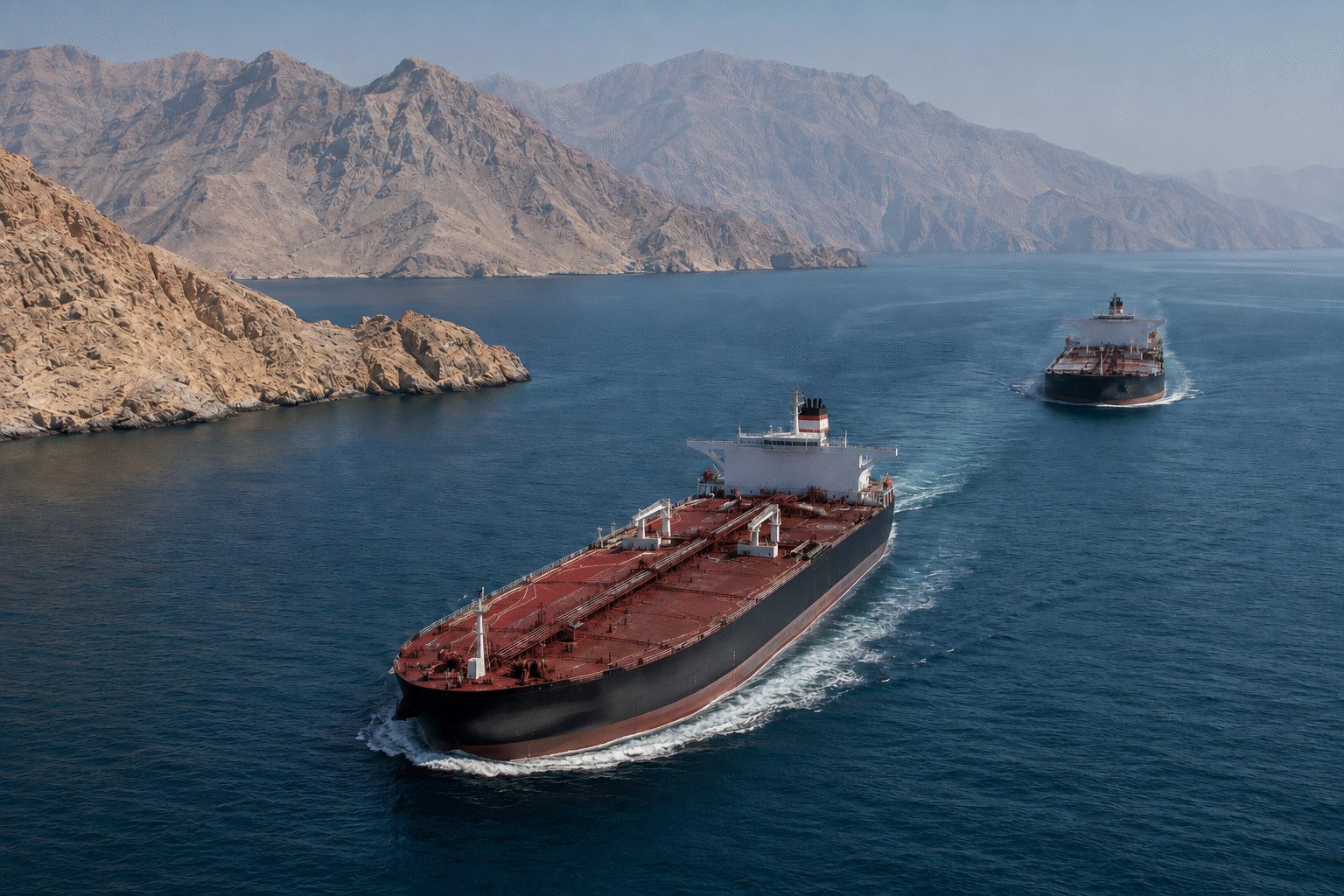

London, August 27, 2026, 12:35 (BST) Oil prices climbed as tanker traffic through the Strait of Hormuz continues to hold at 77% below the level seen prior to the outbreak of conflict, traders said.
- Brent crude added 0.58% to reach $88.35, while WTI increased 0.22% to $82.41.
- Each contract is still trading roughly 6% under its August 20 closing level.
- During the second quarter, average daily flows through Hormuz reached 4.9 million barrels.
- This was 77% lower than the pre-conflict level of 21.6 million barrels.
Oil prices bounced back from initial declines on Thursday, with markets assessing talks aimed at reopening the Strait of Hormuz. Brent crude was up 51 cents at $88.35 per barrel. West Texas Intermediate increased by 18 cents to $82.41 at 1005 GMT Reuters market update.
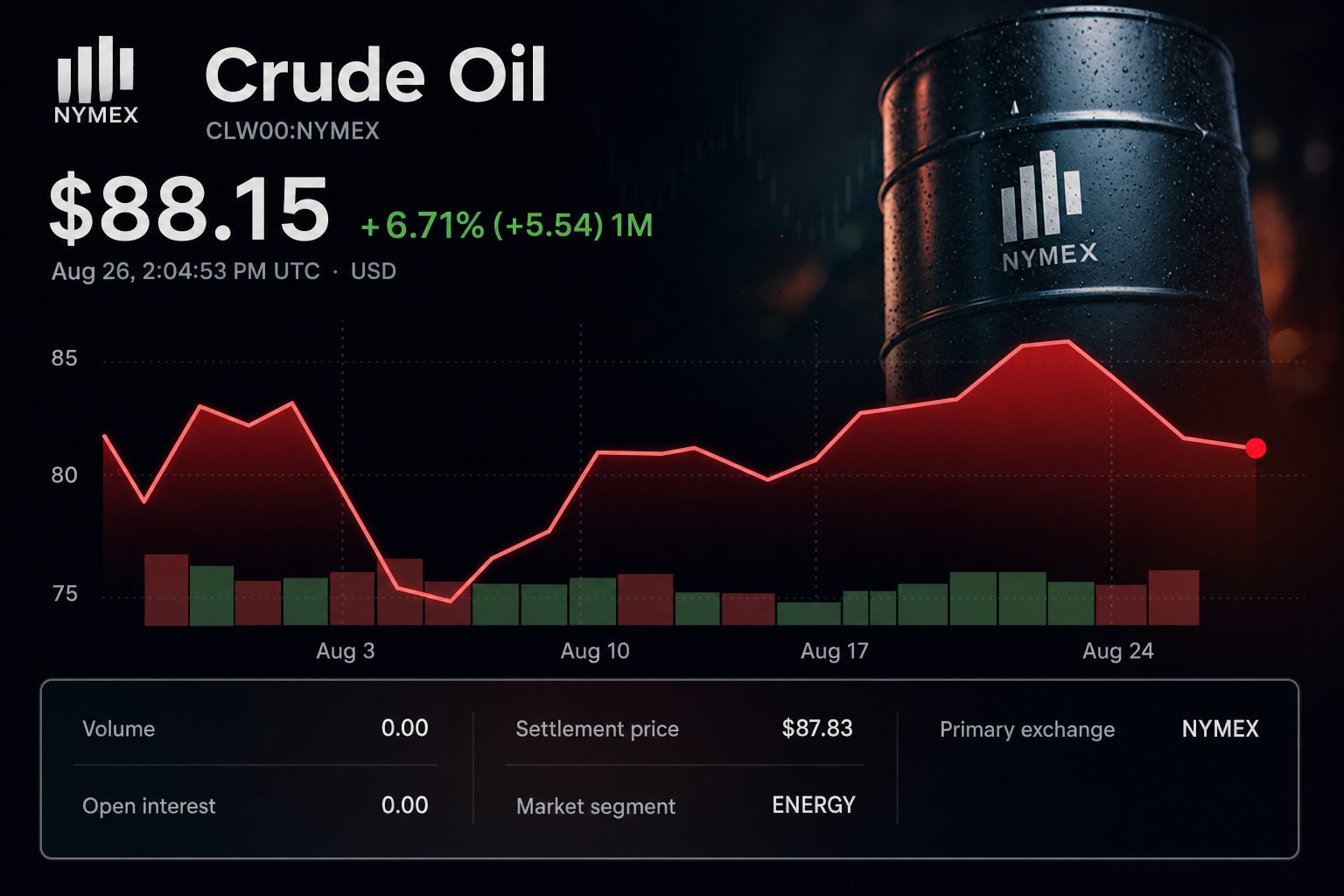
The recovery masks a broader shift in pricing. Brent and WTI are still trading about 6% under where they settled on August 20. Some of the geopolitical premium has been priced out by investors, even though actual physical flows have yet to return to normal.
The U.S. Energy Information Administration assessed that Hormuz flows in the second quarter reached 4.9 million barrels per day. Prior to the conflict, averages stood at 21.6 million barrels per day in late 2025. This represents a shortfall of 16.7 million barrels, or roughly 77% below typical levels EIA Short-Term Energy Outlook.
| Benchmark | Aug. 20 settlement | Aug. 26 settlement | Aug. 27, 1005 GMT | Change since Aug. 20 |
|---|---|---|---|---|
| Brent crude | $93.78 | $87.84 | $88.35 | -5.8% |
| WTI crude | $87.83 | $82.23 | $82.41 | -6.2% |
| Brent-WTI spread | $5.95 | $5.61 | $5.94 | -0.2% |
The trading range on Thursday highlights the market’s uncertainty. Brent fell to $86.22 at its lowest before bouncing back, while WTI hit $80.65. Both contracts climbed over 2% from their intraday lows.
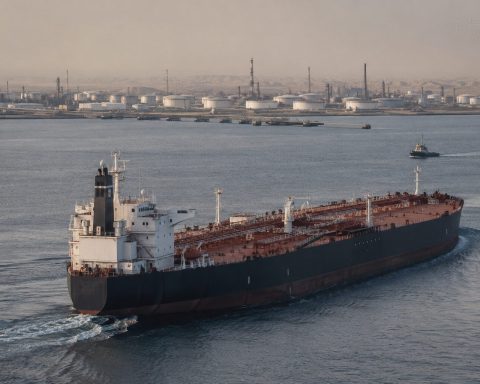
Iran and Oman are negotiating a control agreement regarding the waterway. Meanwhile, Qatar’s prime minister is in Tehran for further discussions. In comparison, only five commodity vessels transited the passage on Tuesday, well below the recent daily average of 15 Reuters shipping and settlement data.
The physical deficit restricts the extent of bearish pressure. Tim Waterer at KCM noted that more extensive reopening might weigh on crude prices. He also said markets were unlikely to factor in an immediate return to pre-conflict conditions.
U.S. inventory data offers a separate measure. Commercial crude stockpiles increased by 95,000 barrels to 428.9 million last week. Analysts were forecasting an increase of 597,000 barrels. Refinery utilization climbed to 97.4% EIA weekly petroleum report.
The EIA projects global inventories will decrease by 3.8 million barrels per day in the current quarter. It anticipates Brent crude to average $85 in the third quarter, with the forecast dropping to $78 in the following quarter as output and shipments slowly increase.
On Thursday, Brent is priced 3.9% higher than the forecast for the third quarter. It is also 13.3% above the estimate for the fourth quarter. These differences highlight the ongoing premium caused by unsuccessful diplomacy, delays in mine clearance, and fresh attacks.
U.S. investors monitor the trend via crude futures and oil-related funds. The impact extends to energy stocks, inflation outlooks, and transport profits. A sustained reopening would challenge producers, yet lower expenses for airlines, chemical firms, and freight operators.
Risks: Talks may falter, swiftly bringing back the risk premium. With strategic petroleum reserve sales almost finished, commodity stockpiles are set to decline more rapidly unless Gulf flows increase, according to UBS analyst Giovanni Staunovo.
The next key indicator is actual shipping traffic, rather than rhetoric. Persistently higher vessel counts compared to recent averages would confirm the decline in prices. If transits fall again toward Tuesday’s tally of five, it would highlight the extent to which optimism is already built into futures prices.
Related articles: Commodities