
NEW YORK, August 25, 2026, 17:25 EDT – West Texas Intermediate crude declined 3.1%, settling at $82.36 a barrel, as expectations of increased supply grew following the relaxation of U.S. sanctions on Iran.
- WTI ended down 3.1% at $82.36 per barrel, while Brent fell 3.9% to $88.58.
- Traders viewed broader U.S. sanctions on Iran as less immediately disruptive compared to military escalation.
- Shares in oil companies underperformed as declining crude prices reduced inflation and eased strain in the bond market.
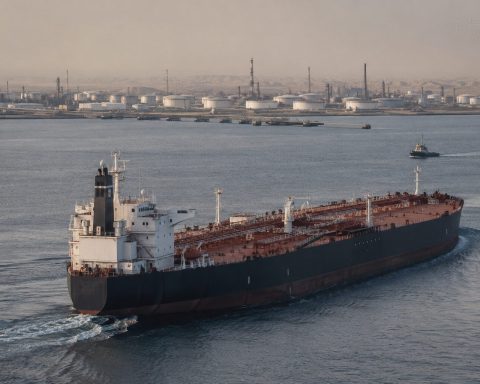
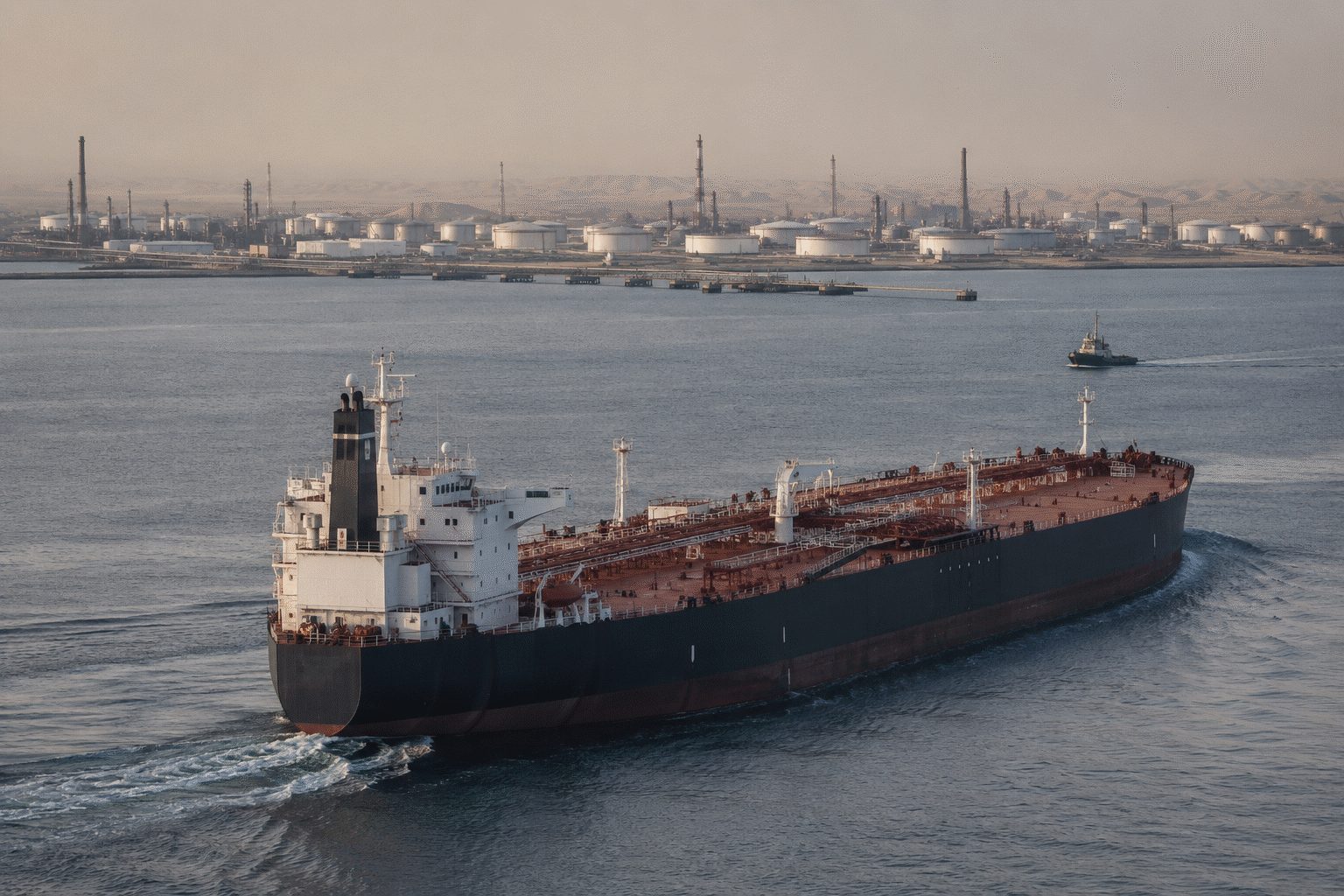
U.S. crude prices dropped over 3% on Tuesday as traders reduced the supply risk linked to Iran. The decline occurred even with new sanctions and another tanker incident reported off the coast of Oman.
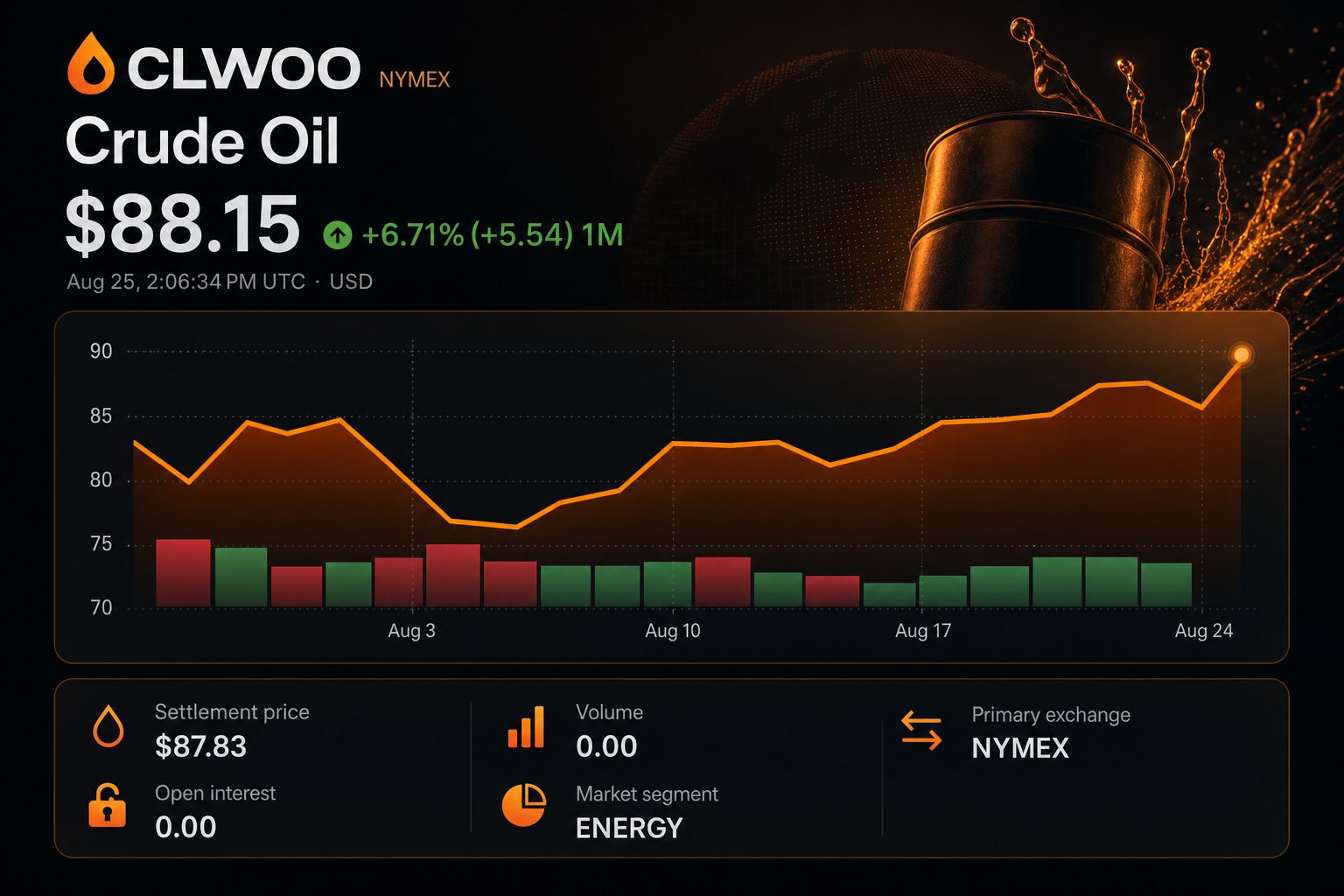
West Texas Intermediate ended the session down $2.65 at $82.36 per barrel. Brent declined $3.59 to close at $88.58, marking its lowest finish since August 14.
The key change was not the volume of geopolitical headlines, but rather how the market perceived Washington’s approach to exerting pressure.
Broader economic sanctions seemed unlikely to disrupt oil supply in the short term compared to an escalation of military action. Ole Hansen from Saxo Bank stated that the shift “reduced some of the oil market’s anxiety.”
Market reports indicated that over 60 entities were included in the measures. However, the absence of specific enforcement names at first provided little indication of a direct supply decrease.
| Instrument | August 24 | August 25 close | Daily move |
|---|---|---|---|
| WTI crude | $85.01 | $82.36 | -3.1% |
| Brent crude | $92.17 | $88.58 | -3.9% |
| SPDR S&P Oil & Gas Exploration & Production ETF | $186.24 | $182.73 | -1.88% |
| Energy Select Sector SPDR Fund | $63.11 | $62.47 | -1.01% |
Equities reflected similar repricing, with the SPDR S&P Oil & Gas Exploration & Production ETF (NYSEARCA:XOP) dropping 1.88% to $182.73. The Energy Select Sector SPDR Fund NYSEARCA:XLE declined by roughly 1.0%.
The broader market advanced, with the S&P 500 up 0.32% and the Nasdaq Composite adding 0.66%. The yield on the 10-year Treasury closed around 4.638%.
The divide is significant for U.S. investors. A drop in crude oil lowers producers’ cash-flow forecasts while easing a key contributor to inflation.
The physical market continues to experience tightness. According to the U.S. Energy Information Administration, 20.9 million barrels each day passed through the Strait of Hormuz in the first half of 2025, representing about 20% of petroleum consumed worldwide.
Average flows reached just 4.9 million barrels per day over the second quarter of 2026. Saudi and Emirati bypass pipelines offer roughly 4.7 million barrels per day in alternative capacity.
Iran and Oman additionally talked about a provisional navigation route. The possibility strengthened sentiment that diplomatic efforts might safeguard some tanker movement.
Brent finished Tuesday 8.0% higher than the EIA’s July estimate of an $82 average for 2026. The agency also forecast $65 for 2027, maintaining a considerable risk premium in future projections.
Risks: The drop could be undone if the navigation corridor collapses, tanker flows decrease again, or Iran responds with retaliation. Tighter action against Chinese purchasers would also jeopardise export levels.
Currently, the market is factoring in coercion but not a blockade. That difference knocked several dollars off crude in a single session.
Related articles: Energy Markets