
MANILA, July 12, 2026, 06:03 PHT
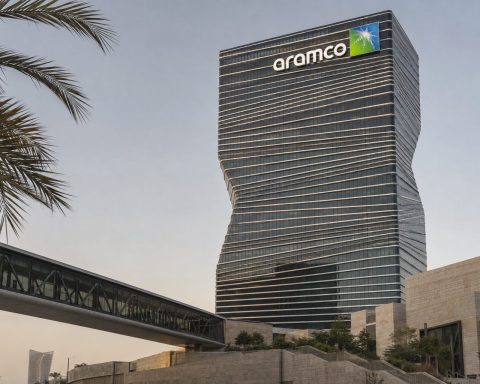
Saudi Aramco TADAWUL:2222 is set to open its first branded service station in the Philippines on July 16, taking over a current Unioil site on Sucat Road in Parañaque. The launch is a modest step, but it raises a bigger question about investment: Aramco spent at least 6.9 times more per outlet here than it did for each listed retail station in its Pakistan fuel deal.
That doesn’t mean a Filipino station is seven times as valuable. The two deals involve different stakes and assets. But the gap suggests what Aramco is after: quick entry, local fuel supply, and city sites, rather than years building out a fresh network. The first opening just swaps the brand at an existing site, doesn’t add a new station.
Aramco’s 2025 annual report said the company paid 295 million Saudi riyals—around $79 million—for 25% of Unioil Petroleum Philippines and also a 25% stake in fuel supplier Unioil Energy. Unioil had 184 stations when the deal closed. Aramco spent 279 million riyals for 40% of a Pakistani operator with over 1,200 outlets.
| Aramco retail investment | Stake acquired | Cash consideration | Disclosed network | Raw cash per listed outlet |
|---|---|---|---|---|
| Philippines — Unioil Petroleum and Unioil Energy | 25% in each | SAR295 million | 184 | SAR1.60 million |
| Pakistan — Gas & Oil Pakistan | 40% | SAR279 million | Over 1,200 | Under SAR0.23 million |
This calculation just divides numbers; it’s not a station valuation. The Philippine deal brings in fuel sourcing, wholesale trading, specialty oils, and asphalt, but the Pakistan buy is in a separate line of business and involved a bigger stake.
Unioil had 165 stations and four terminals when the deal was announced in February 2025. Since then, its network added 19 sites, up 11.5%, ahead of Aramco’s first branded launch. “Another step forward in our global strategy to expand Aramco’s retail network,” Aramco executive vice president for products and customers Yasser Mufti said. Aramco
Scale is still the limit. Petron Corp (PSE:PCOR) said it had about 1,800 stations across the Philippines by the end of 2025. Shell Pilipinas Corp (PSE:SHLPH) runs about 1,100 mobility sites. Unioil’s network is about a tenth of Petron’s, and only a sixth of Shell’s.
| Philippine fuel network | Latest disclosed sites | Multiple of Unioil’s network |
|---|---|---|
| Aramco/Unioil | 184 | 1.0 times |
| Petron | About 1,800 | 9.8 times |
| Shell Pilipinas | Around 1,100 | 6.0 times |
Aramco isn’t new to the market. It held 40% of Petron after the company was privatised in 1994, selling out in 2008. Now it’s going with a lighter minority-capital approach, dialing back its risk and handing day-to-day operations and expansion mostly to its local partner. The business case will depend on quicker station conversions, more litres sold per site, and getting a bigger cut from higher-margin fuel and non-fuel sales. Going national won’t be enough.
The Saudi Exchange was still closed ahead of its normal Sunday open at 10 a.m. Riyadh time, 3 p.m. Manila. The Philippine Stock Exchange is also shut Sundays, with trading set to resume Monday. Local fuel prices finished last week higher, with diesel up 3.30 pesos per litre and gasoline rising 0.20 to 0.25 peso from July 7.
Fuel prices look set to go up again this week. Four days of trading in the Mean of Platts Singapore benchmark have industry watchers calling for a diesel hike of 2 to 4 pesos a liter and gasoline up as much as 1 peso on July 14. Jetti Petroleum President Leo Bellas said demand is back but still “not back to 100 percent yet” with prices higher than before the war. Aramco’s new station is due to open two days after that. Philstar.com
The global scene isn’t much help. Brent crude settled Friday at $76.01, up 5.5% for the week. U.S. crude finished at $71.41, up about 4% over the same stretch. John Kilduff at Again Capital said the market was “ready, willing and able to jump on good news” as traders tracked shipping in the Strait of Hormuz. Reuters
Diesel supplies are even tighter now. Russian diesel and gasoil exports dropped to 234,000 barrels a day in the first 10 days of July, down from 400,000 barrels a day in June and well below the average of about 817,000 in 2025. Qilin Tam, head of refining at FGE NexantECA, said that each U.S. barrel going to Latin America means one less for Europe, showing how different regions are now fighting over the same shipments.
But the investment case has risks. Aramco hasn’t set out a station-conversion goal, given sales volume estimates, or set a margin target. Its 25% stake means it can sway decisions but doesn’t give it control. The first location is just a rebrand, not added capacity. If fuel prices stay high longer, that could hit demand as the partners try to launch a premium offering and recoup bigger upfront costs per site.
After July 16, the key numbers to track are conversion count, litres sold per site, and whether Aramco adds more terminals or strikes new supply deals. For now, the Parañaque site just shows Aramco can move fast. There’s no sign yet that Philippine margins are strong enough to make it worth it.