
MONTRÉAL, August 28, 2026, 18:15 EDT
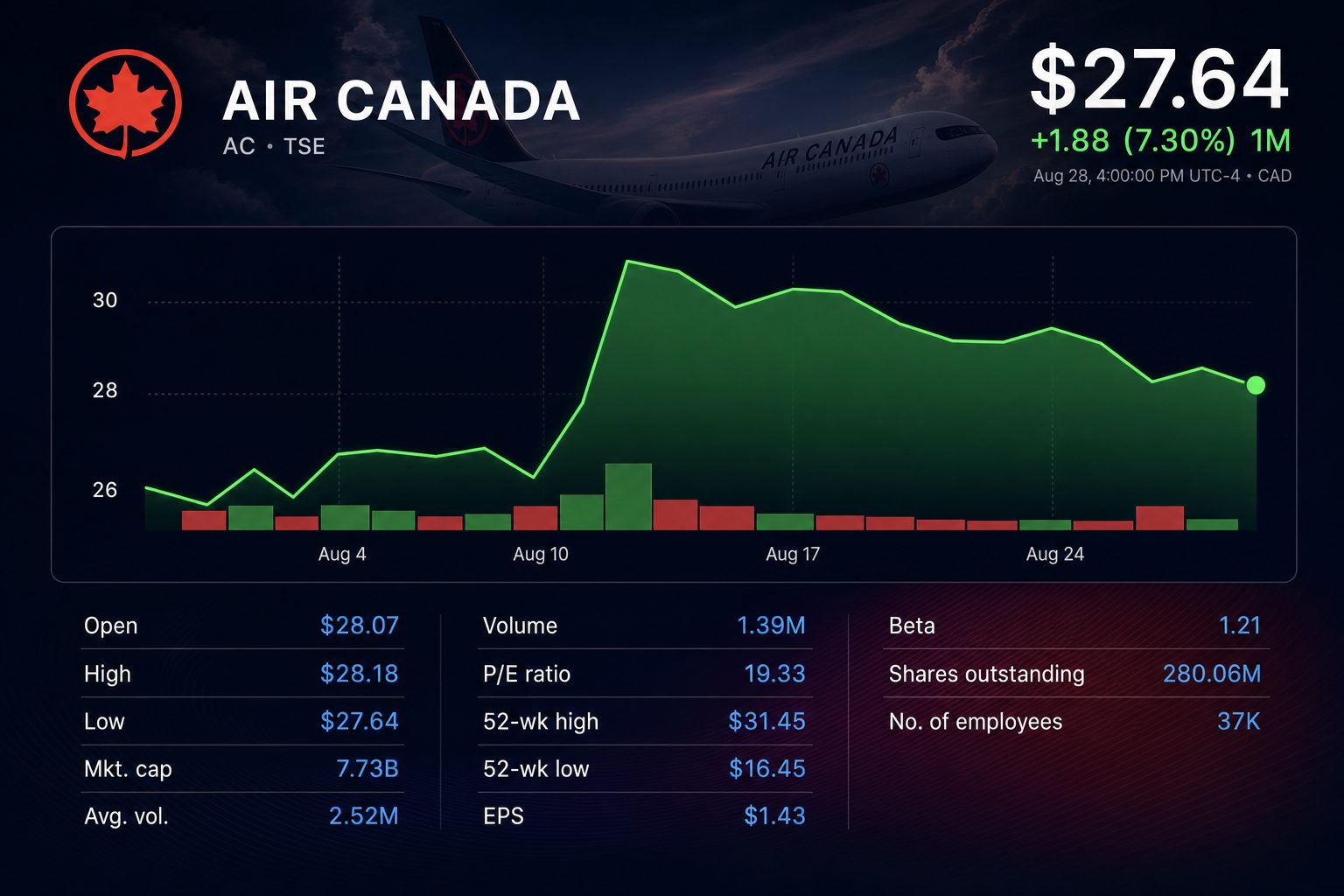
- Air Canada shares closed down 1.46% at C$27.64, trimming about C$115 million from equity value.
- The FAA moved to fire two controllers who allegedly left LaGuardia early before March’s fatal Air Canada Express collision.
- Air Canada serves 50 U.S. airports with as many as 382 daily transborder flights.
- Analysts still average a C$34.89 target, about 26% above Friday’s close.
Air Canada shares fell 1.46% on Friday as fresh enforcement action revived scrutiny of a fatal LaGuardia Airport collision. The move erased roughly C$115 million of market value.
The U.S. Federal Aviation Administration moved to dismiss two air traffic controllers. It says they left their posts early before the March 22 collision, Reuters reported FAA action.
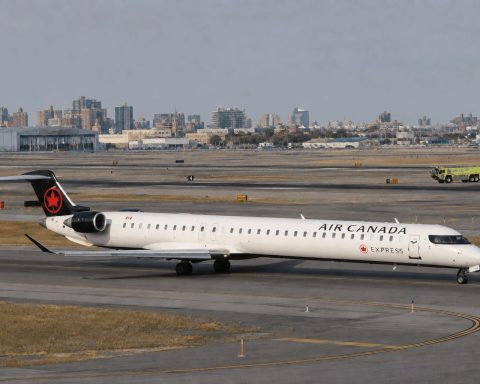
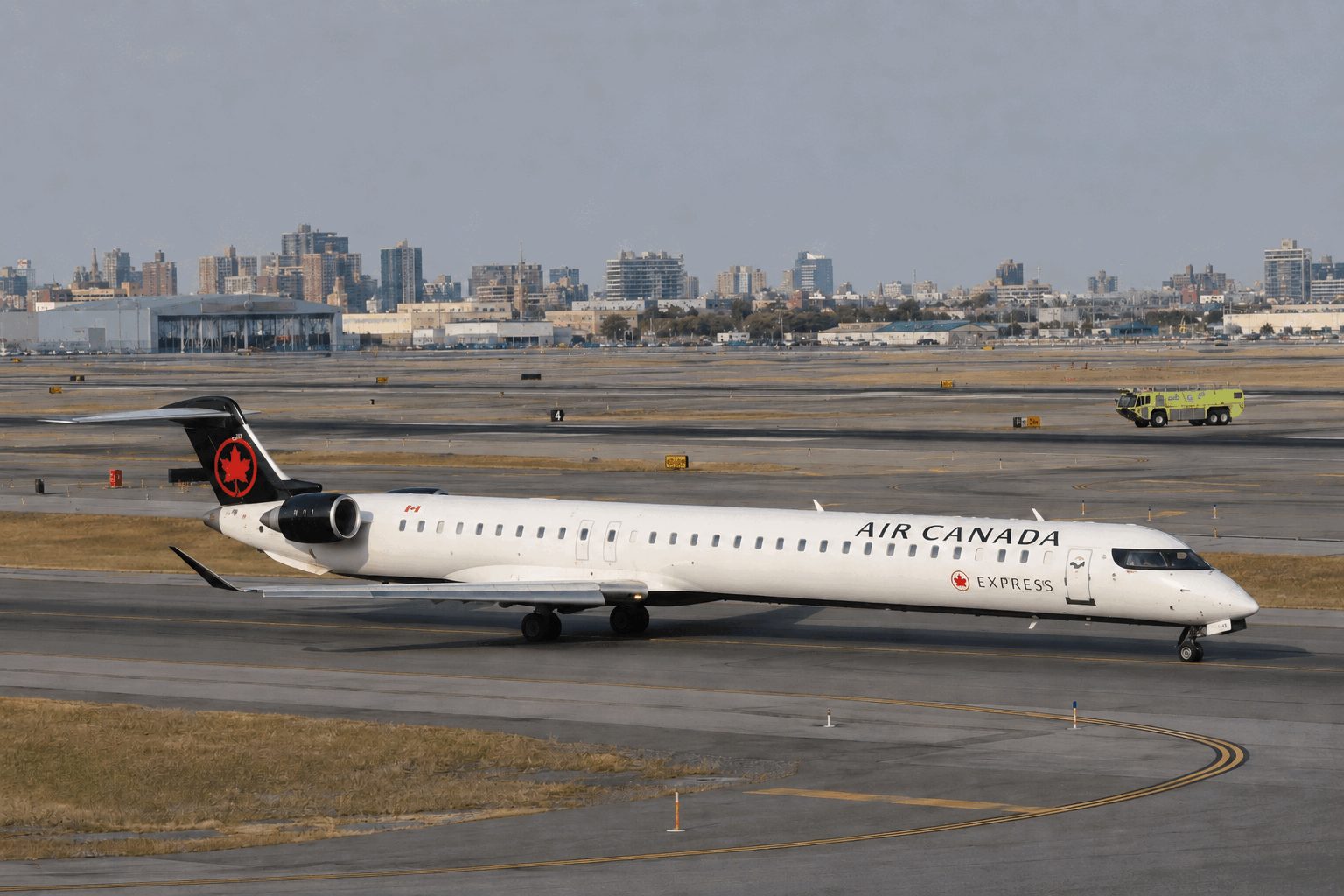
The Air Canada Express regional jet was operated by Jazz Aviation. Two pilots died after it struck an airport fire truck while landing.
The enforcement decision does not assign blame to Air Canada. Still, it returns safety and operational resilience to the foreground for a carrier with substantial U.S. exposure.
| Investor measure | Latest verified figure | Why it matters |
|---|---|---|
| AC close | C$27.64, down 1.46% | About C$115 million of equity value lost |
| U.S. network | 50 airports; up to 382 daily flights | Scale of transborder brand exposure |
| LaGuardia traffic | 70 flights handled in 97 minutes | More than twice the 31 scheduled |
| Q2 revenue | C$6.266 billion | Large sales base, but weak profitability |
| Q2 adjusted EBITDA | C$719 million; 11.5% margin | Core cash-earnings buffer |
| 2026 adjusted EBITDA guide | C$2.9 billion–C$3.2 billion | Below the prior outlook |
The preliminary investigation found the fire truck lacked a transponder. It had also been mistakenly cleared to cross the runway, the Associated Press reported investigation details.
Six people suffered serious injuries and 39 went to hospitals. The final National Transportation Safety Board report is expected next year.
Traffic that night was unusually compressed. Controllers handled 70 flights from 10 p.m. to 11:37 p.m., compared with 31 scheduled, Reuters reported staffing review.
Air Canada’s U.S. footprint makes any transborder disruption relevant. The airline lists 50 U.S. airports and up to 382 daily flights in its corporate profile network data.
The financial cushion is thinner than the revenue line suggests. Second-quarter revenue reached C$6.266 billion, while the operating loss was C$215 million and the operating margin was negative 3.4% Air Canada results.
Management restored its annual adjusted EBITDA forecast at C$2.9 billion to C$3.2 billion. That remains below the previous C$3.35 billion to C$3.75 billion range, while projected free cash flow is C$200 million to C$500 million outlook.
Air Canada TSE:AC closed at C$27.64. Its estimated C$7.77 billion market value remains smaller than Aeroplan’s C$10 billion valuation implied by a recent minority investment.
Wall Street remains constructive. Nine analysts rate the shares Buy and one Sell, with an average C$34.89 target, according to Investing.com analyst consensus.
Risks: The NTSB has not issued a final cause. The FAA action targets controllers, so linking Friday’s share decline solely to the case would overstate the evidence.
Related articles: Safety