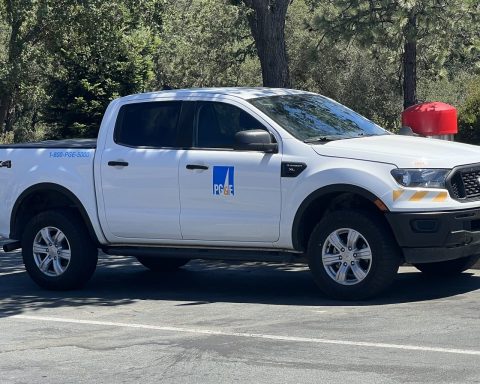

OAKLAND, California, August 29, 2026, 10:29 (EDT). PG&E (PCG.N) stock slumped by 7.5%, erasing $3 billion from its market value, after California’s plan to address wildfire risks for power utilities failed to advance.
- Shares of PG&E declined 7.52% on Friday, wiping out about $3.0 billion in market capitalization.
- Trading volume totaled 114.4 million shares, representing approximately 5.2% of the shares in circulation.
- California legislators voted down a measure that aimed to restrict how much insurers could reclaim from utilities after wildfires.
PG&E Corporation (NYSE: PCG) finished Friday’s trading session at $16.60, falling 7.52%. The drop wiped out around $3.0 billion in market capitalization.
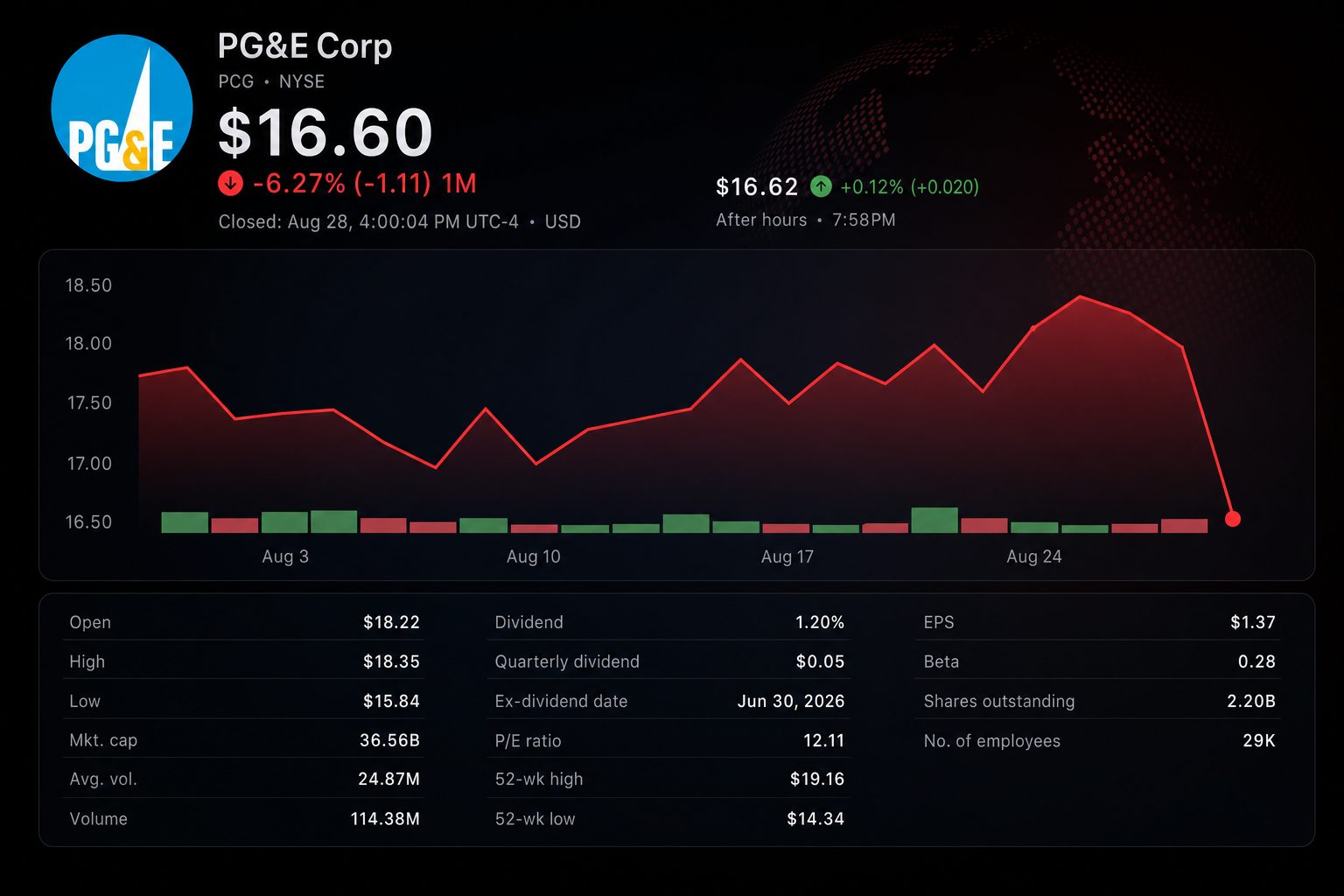
Roughly 114.4 million shares changed hands in trading, equating to about 5.2% of PG&E’s estimated shares outstanding and generating nearly $1.9 billion in turnover PG&E market data.
A policy decision in California set off the move. State legislators rejected Governor Gavin Newsom’s plan to limit insurers’ ability to seek wildfire-related payouts from investor-owned utilities KCRA.
The proposal focused on subrogation claims. Putting limits on these claims might have lessened utilities’ liability when their equipment is responsible for major fires.
| Friday comparison | Close move | Investor signal |
|---|---|---|
| PG&E (PCG) | -7.52% | Had the highest direct risk from the failed liability measure |
| Edison International (EIX) | -4.76% | Wildfire-liability risks in California re-evaluated |
| S&P 500 | -0.25% | General market losses were notably less severe |
The policy trigger stands out due to the difference with the overall market. PG&E dropped nearly 30 times more than the S&P 500’s percentage fall.
Underlying performance was getting stronger. GAAP earnings for the second quarter increased to $0.33 per share, up from $0.24 per share a year ago.
Core earnings rose 29%, reaching $0.40 per share. PG&E maintained its 2026 core EPS outlook at $1.64 to $1.66 quarterly results.
Friday’s close at the $1.65 midpoint suggests a multiple of about 10.1 times projected earnings. The valuation now factors in additional wildfire and regulatory risks.
The central issue in the policy discussion is determining who will bear the cost of potential future fire damages. California’s wildfire backstop now stands near $39 billion, though there remains disagreement among insurers, utilities and victims over how claims are distributed CalMatters.
Rising bond yields increase strain. Utilities are dependent on capital markets, with PG&E investing in grid reinforcement and wildfire prevention projects over an extended period.
Risks: Talks could resume ahead of the legislative session’s conclusion. Reaching a compromise might recover some lost stock value, but another significant fire or an unfavorable court decision could further increase liabilities.
The decline in shares does not affect near-term earnings guidance. Instead, it changes how investors value the legal protection linked to those earnings.
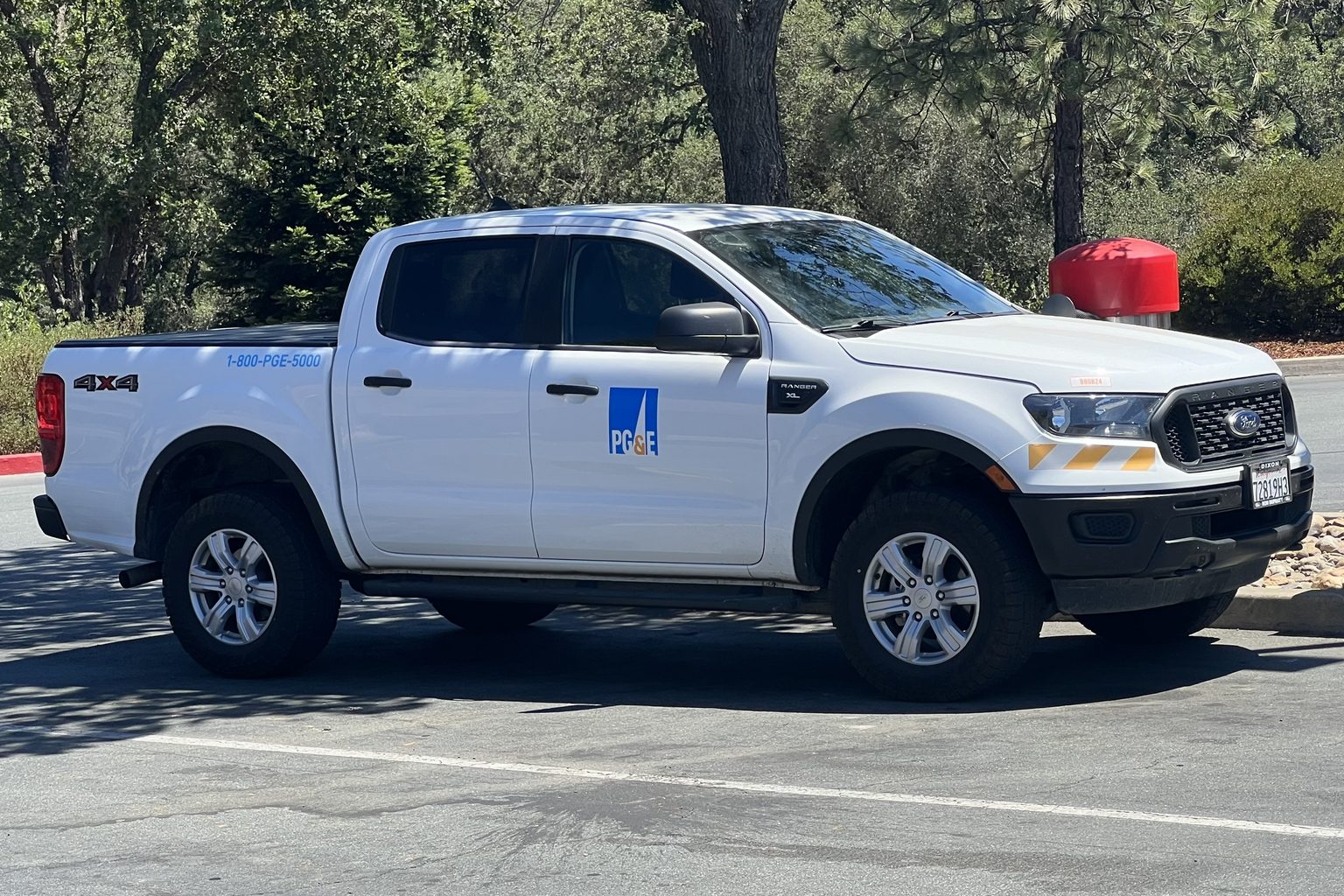
Image credit: TaurusEmerald/Wikimedia Commons, CC BY-SA 4.0; image cropped from the original photo.