
OAKLAND, California, August 13, 2026, 11:35 PDT — U.S. stock markets remained open.
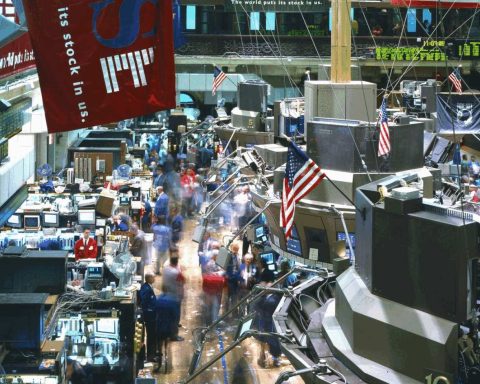
- PCG dropped 1.67% as the S&P 500 rose 0.55%.
- A 3.8-magnitude earthquake in San Leandro led to delays, with no damage reported.
- Analysts report seven buy ratings, one hold, and zero sell recommendations.
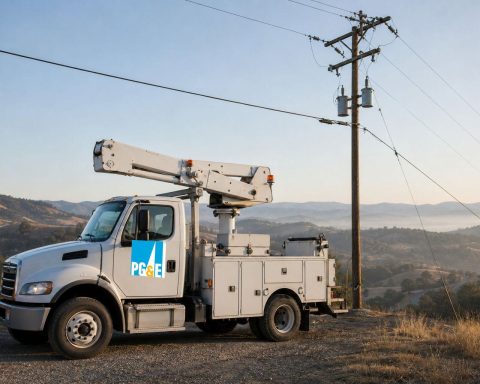
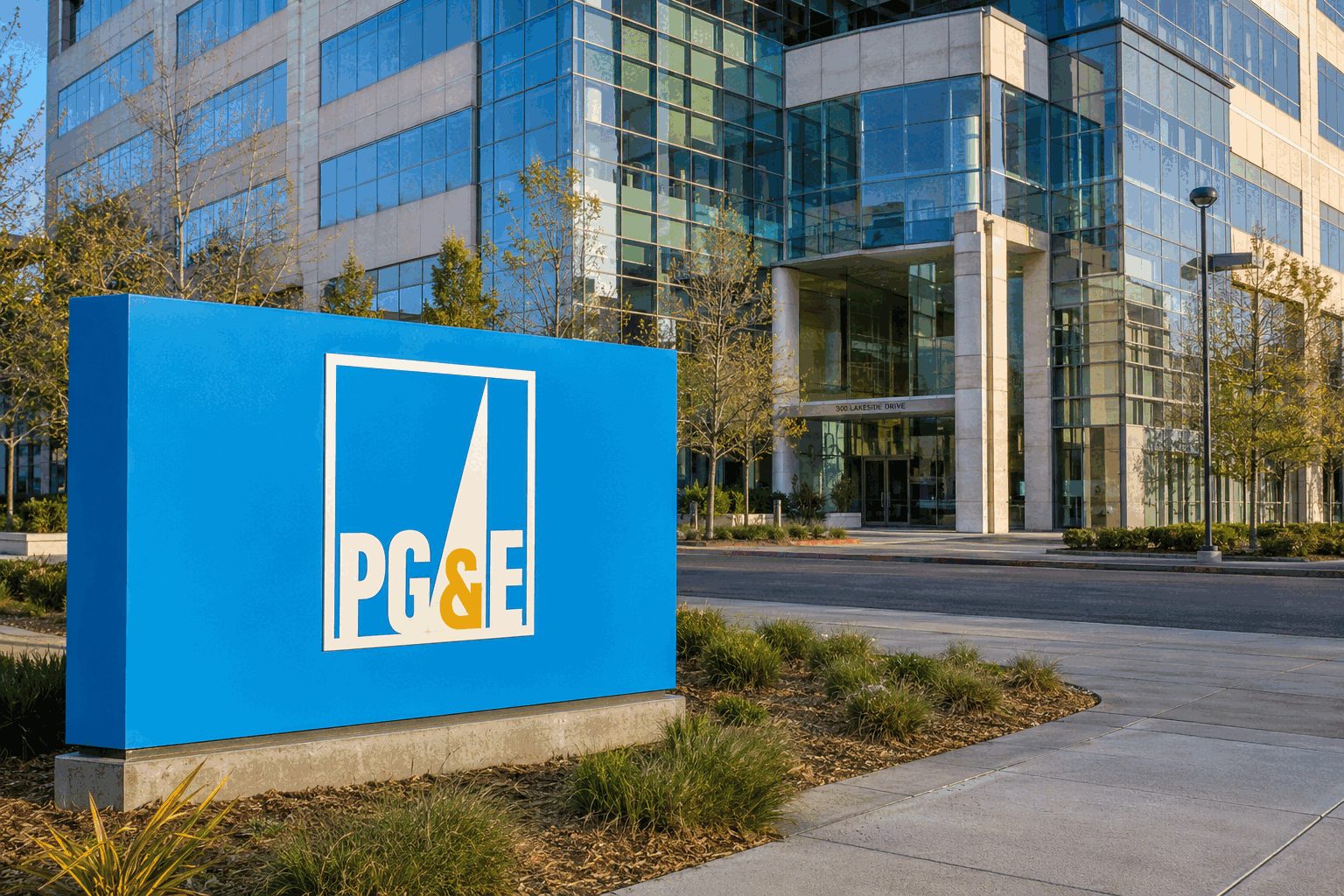
PG&E Corporation NYSE:PCG trailed the S&P 500 by 2.22 percentage points on Thursday. The discrepancy matched the timing of a Bay Area earthquake that prompted over 50,000 Google searches.
The tremor drew notice, but infrastructure losses have not been confirmed. No damage was reported immediately. This distinction is significant for a utility whose valuation is already weighed down by a sizable disaster-risk discount.
PCG was at $17.10 at 2:00 p.m. EDT, falling 1.67%. The S&P 500 rose 0.55% at 2:05 p.m. There is no evidence the quake triggered PCG’s drop.
| Market snapshot | Level | Daily move |
|---|---|---|
| PG&E | $17.10 | down 1.67% |
| S&P 500 | 7,791.25 | up 0.55% |
| PCG relative gap | — | falls 2.22 pts |
| PCG 52-week high | $19.16 | 10.8% above now |
Trading volume for PCG reached 23.7 million shares on Google Finance, surpassing its average of 20.9 million. Intraday, the stock moved between $16.94 and $17.80.
The primary earthquake occurred close to San Leandro around 8:30 a.m. PDT. The initial reported magnitude of 4.1 was later adjusted to 3.8. Two aftershocks were also recorded in the vicinity.
| Bay Area sequence | Magnitude | Reported effect |
|---|---|---|
| Main quake | 3.8, revised from 4.1 | Shaking noticed regionwide; no initial damage |
| First aftershock | 3.0 | No reports of damage |
| Second aftershock | 2.8 | No reports of damage |
| BART response | Not applicable | Tracks inspected; delays reached up to 20 minutes |
The epicenter was located approximately 2.4 miles north of San Leandro, close to the Hayward Fault. BART slowed train operations while crews checked the tracks. Service later returned to normal, but some delays continued.
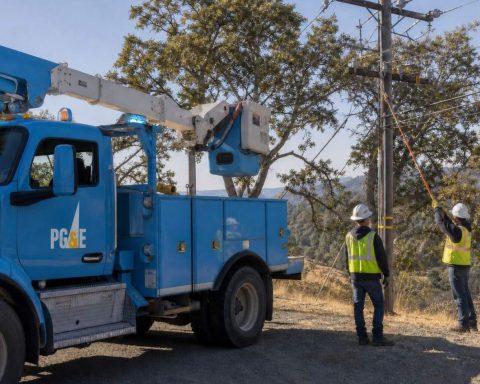
The earthquake came after an unrelated outage on Wednesday evening that left roughly 5,000 PG&E customers without power. Most customers had service restored in about 90 minutes. According to PG&E, that incident stemmed from a problem at a Daly City substation and was not caused by Thursday’s quake.
The financial base holds steady. PG&E posted core earnings of $0.40 per share for the second quarter, surpassing the $0.36 forecast listed on Google Finance. Revenue fell short of expectations.
| Q2 2026 measure | Reported | Comparison | Result |
|---|---|---|---|
| Core EPS | $0.40 | $0.36 estimate | 11.6% above estimate |
| Revenue | $5.90 billion | $6.20 billion estimate | 4.9% below estimate |
| GAAP EPS | $0.33 | $0.24 year earlier | 37.5% gain |
| 2026 core EPS guidance | $1.64–$1.66 | Reaffirmed | No change |
PG&E CEO Patti Poppe stated the utility continues to pursue a lasting resolution for wildfire liability affecting both customers and investors, describing this as a more significant concern than the recent minor earthquake, which caused no reported damage. Poppe also noted that PG&E’s data-center project pipeline now exceeds 12 gigawatts.
PG&E’s safety initiative prevented 28 potential ignitions between January 2025 and June 2026. The company also reported that it averted 19.6 million minutes of outages. These actions target wildfire and reliability threats, rather than earthquake-specific risks.
| Analyst recommendation | Count | Share of eight |
|---|---|---|
| Buy | 7 | 87.5% |
| Hold | 1 | 12.5% |
| Sell | 0 | 0% |
| Average 12-month price target | $23.75 | 38.9% higher than $17.10 |
The targets, totalling eight, span from $21 up to $28. On August 4, Truist reiterated its buy rating but lowered its price target to $21. Out of the current three-month group, Morgan Stanley continues to be the only firm with a hold recommendation.
Risks: Aftershocks may persist, and initial damage assessments could be revised. PG&E remains exposed to wildfire liability, ongoing regulatory review, elevated financing expenses, and operational risks throughout its grid initiative.
Investor interest is demonstrated by evidence rather than search volume. A verified infrastructure impact could change the outlook. In its absence, earnings, regulatory changes and wildfire reform continue to be the main influences.
Related articles: NYSE:PCG