
CARACAS, September 2, 2026, 16:30 (VET)
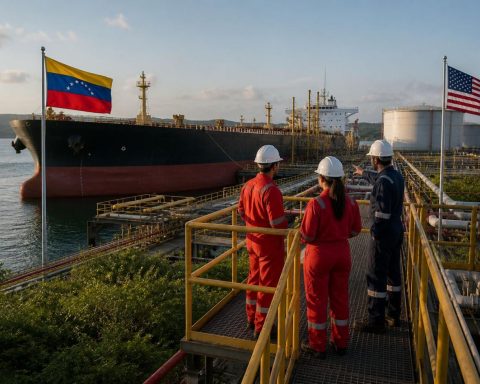
- A U.S.-backed venture received 100-year concessions covering about 65 billion proven barrels.
- Chevron plans more than $7 billion of investment and roughly 600,000 daily barrels by 2031.
- Brent settled at $95.63; immediate pricing still reflects Iran and Hormuz risks.
A U.S.-backed plan to develop 17 Venezuelan oilfields targets enormous reserves. Yet it promises little immediate relief for a market paying nearly $96 for Brent.
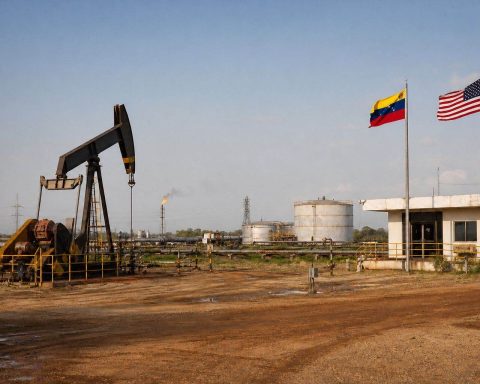
The contrast is the investor story. Venezuela produces about 1.25 million barrels daily, less than half its late-1990s peak. Rebuilding that lost capacity will require years of drilling, power repairs and financing.
Brent settled 1.0% higher at $95.63 on Wednesday. West Texas Intermediate gained 0.9% to $91.01. Chevron Corporation NYSE:CVX rose about 0.5% after confirming its expansion Associated Press.
Oil held its risk premium into settlement
U.S. dollars per barrel; prior settlement, Wednesday high and Wednesday settlement.
As of . Sources: AP; Reuters market reporting.The White House says private operator North American Blue Energy Partners received 100-year concessions. The 17 fields contain about 65 billion proven barrels. Its plan calls for up to $100 billion of infrastructure investment White House fact sheet.
Those figures describe resources, not ready supply. Analysts have questioned the concessions’ legal durability and financing assumptions Associated Press. Most Venezuelan fields remain idle or underused.
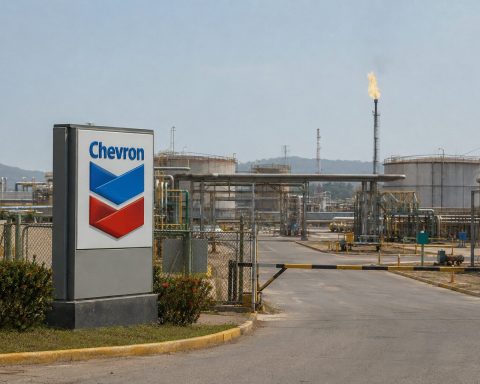
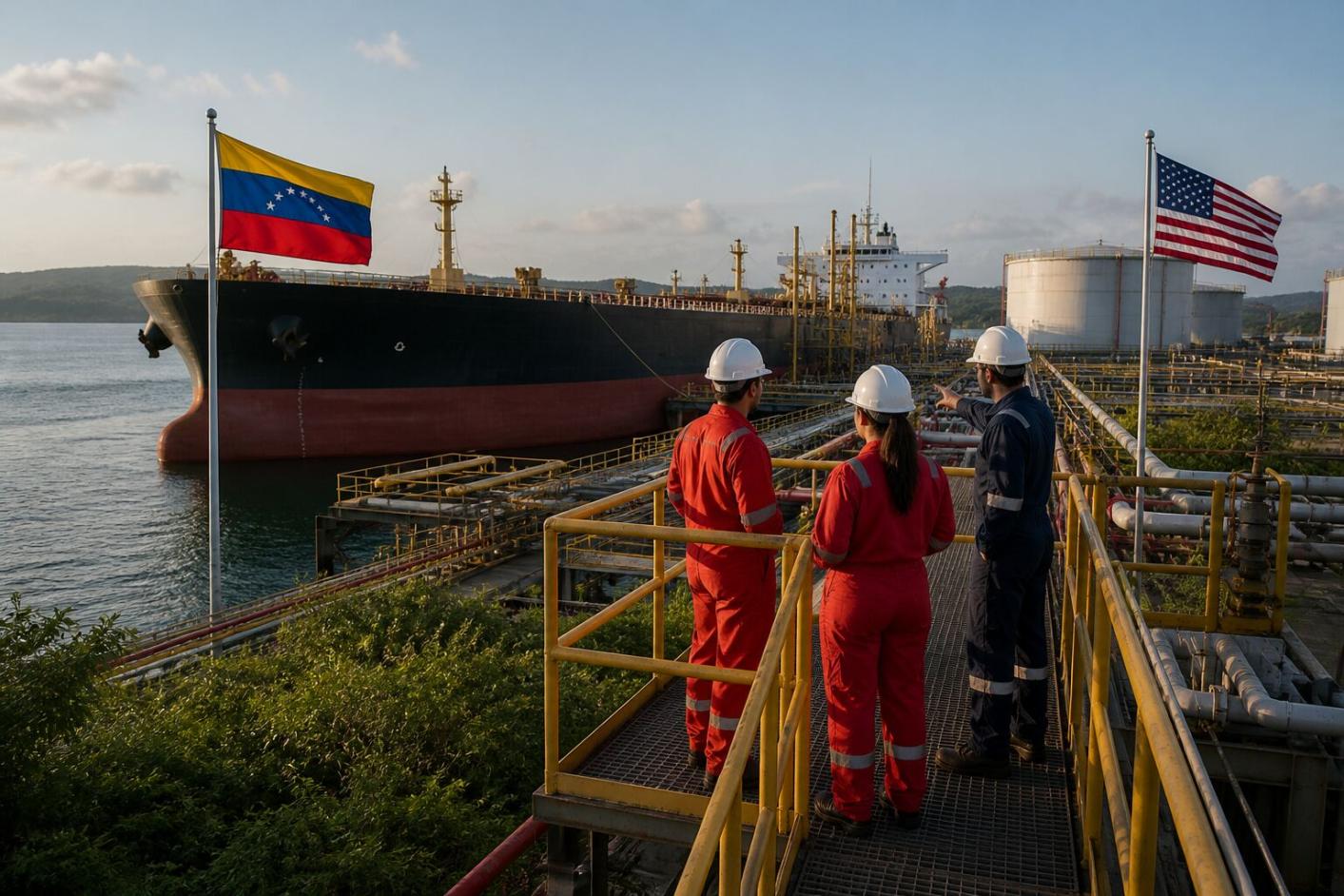
Chevron signed separate agreements with Venezuela on Wednesday. It plans more than $7 billion of investment over five years. Production should more than double to about 600,000 barrels daily Chevron statement.
The output gap is larger than the first company ramp
Million barrels per day. Chevron’s target is a company subset, not an addition to the national figure.
Sources: Reuters reporting; Chevron. National output is an approximate current estimate.Chevron says total Venezuelan costs stay below $20 per barrel. Chief Executive Mike Wirth called the opportunity “attractive low-cost oil growth.” Its three joint ventures lifted output 15% this year.
Eni S.p.A. NYSE:E also agreed to expand heavy-oil projects. Its target reaches 400,000 daily barrels by 2030. “What we need is not just signing papers, we need barrels,” CEO Claudio Descalzi said Reuters.
Washington widened the operating channel before the ceremony. Treasury amended licenses for Venezuelan oil sales, U.S. diluent and joint-venture activity on August 27 U.S. Treasury.
U.S. Venezuelan crude imports have already recovered
Four-week average, thousand barrels per day.
Source: U.S. Energy Information Administration. Latest observation: four weeks ended August 21, 2026.The trade channel is already widening. Four-week average U.S. crude imports from Venezuela reached 637,000 barrels daily in late August. They were 145,000 in early January EIA data.
That flow matters to complex U.S. refineries built for heavy crude. It also gives Venezuelan barrels a nearby buyer. Logistics improve before greenfield production arrives.
Near-term oil pricing remains dominated by the Middle East. Wednesday’s session highs reached $97.04 for Brent and $92.29 for WTI. Fresh Venezuelan projects cannot offset an immediate shipping disruption.
Risks: contract challenges, sanctions reversals and weak electricity supply could delay investment. Cost overruns would weaken project returns. A sharp oil-price fall could also slow drilling.
Investors should watch contract disclosures and financing commitments next week. Export loadings offer the faster signal. Field schedules will determine whether the reserve headline becomes durable supply.
Related articles: NYSE:CVX