
CARACAS, September 2, 2026, 04:23 (VET)
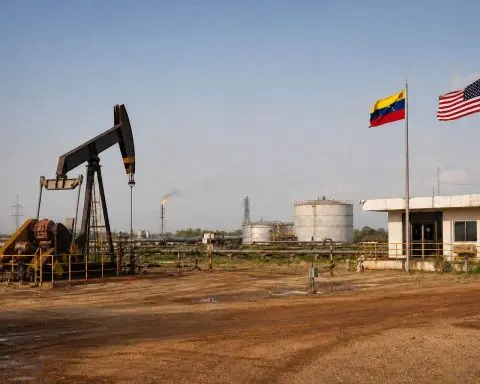
- The U.S.-supported project possesses 100-year rights over 17 fields with a combined total of approximately 65 billion barrels.
- NABEP has committed as much as $100 billion toward building new oil infrastructure in Venezuela.
- At 06:05 GMT, Brent hit $95.68, standing $15.68 higher than a referenced project breakeven.
- Chevron NYSE:CVX is anticipated to announce a distinct expansion in Venezuela on Wednesday.
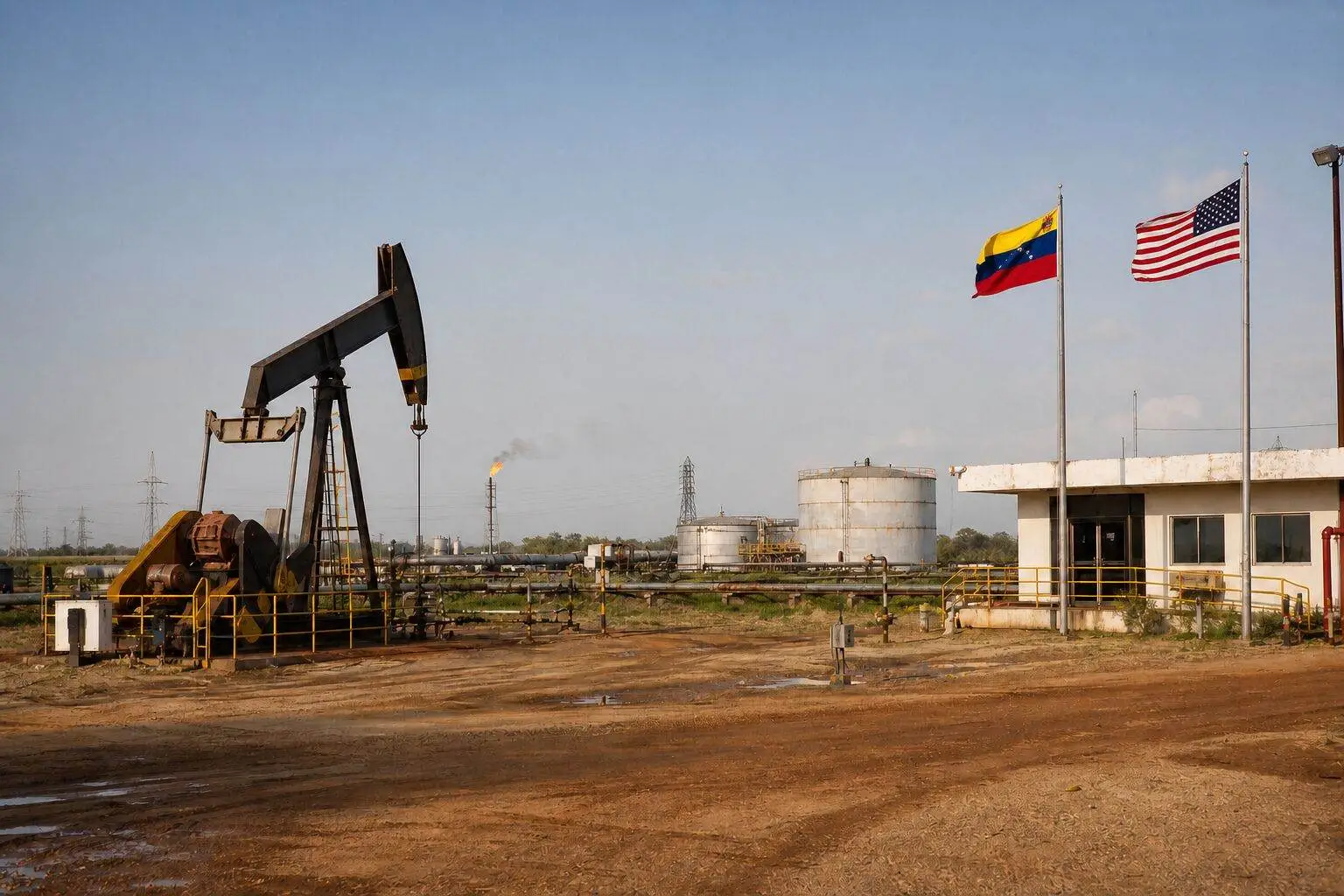
A U.S.-Venezuela oil deal will unlock 65 billion barrels of reserves, but the planned $100 billion expansion means those barrels represent long-term supply instead of an immediate boost.
The difference is significant as crude includes a renewed war premium. Brent was at $95.68 at 06:05 GMT, following an increase of over $4 on Tuesday Reuters.
According to Wood Mackenzie, certain new projects in Venezuela require oil prices of $80 per barrel to reach break-even levels. The present Brent premium stands at approximately $15.68, or 16%, prior to factoring in political risks Reuters Breakingviews.
Oil benchmarks extended Tuesday’s surge
Front-month futures, U.S. dollars per barrel; vertical scale is compressed.
The agreements apply to 17 fields over a period of 100 years. According to Washington, its strategic-capital office holds a 35% stake in NABEP’s parent, and the State Department is allowed to purchase up to 20% of production at cost, a White House fact sheet said.
The committed investment amounts to just $1.54 per reserve barrel. This figure appears low as it does not account for expenses such as lifting costs, diluent, pipelines, upgrades, and financing.
Scale is large; conversion remains unfunded execution
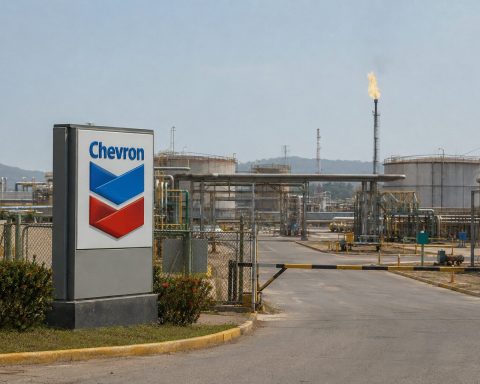
Chevron is set to provide a more immediate assessment, with a U.S. official noting the company will broaden its current activities as Energy Secretary Chris Wright visits on Wednesday Associated Press.
Chevron stock ended Tuesday session at $211.05, marking a 2.38% increase. Brent rose by 4.6% during that session, indicating Chevron’s share rise was not solely due to Venezuela market data.
Chevron may generate around 280,000 barrels per day in Venezuela this year, representing a quarter of the nation’s July output estimate of 1.12 million barrels.
Chevron is already material to Venezuela’s oil flow
Million barrels per day; national figure is July 2026, Chevron figure is a 2026 estimate.
Washington has also reduced contracting barriers. On August 27, the Treasury revised oil licenses, eliminating a U.S. law requirement but retaining designated venues for dispute resolution OFAC.
Chevron owns a 30% stake in Petropiar and 49% in Petroindependencia. In April, an asset swap expanded Petropiar’s development rights to include the adjacent Ayacucho 8 producing area Chevron.
Major oil companies are still cautious. Exxon Mobil NYSE:XOM CEO Darren Woods described Venezuela as “un-investable” in January, and a spokesperson confirmed on Tuesday that the company’s stance is unchanged AP.
Risks: AP reports Venezuela’s legislature is yet to ratify the deal. Legal disputes, potential shifts in policy, inadequate infrastructure, or a decline in oil prices may leave investments stranded.
The Chevron contract set for Wednesday serves as the next key test. Investors require specific details on incremental production, expenditures, fiscal conditions and initial oil output timing before assessing the value behind the reserve headline.
Related articles: NYSE:CVX