
SPRING, Texas, August 18, 2026, 06:30 EDT
- Brent climbed to $91.22, roughly 15.5% higher than the oil price JD Vance referenced on August 6.
- Exxon stock advanced 1.5% on Monday while the S&P 500 slipped 0.5%.
- Disruptions in Qatar took roughly 450,000 barrels of oil equivalent per day offline during the second quarter.
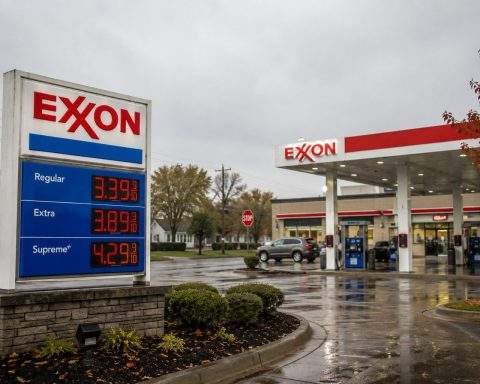
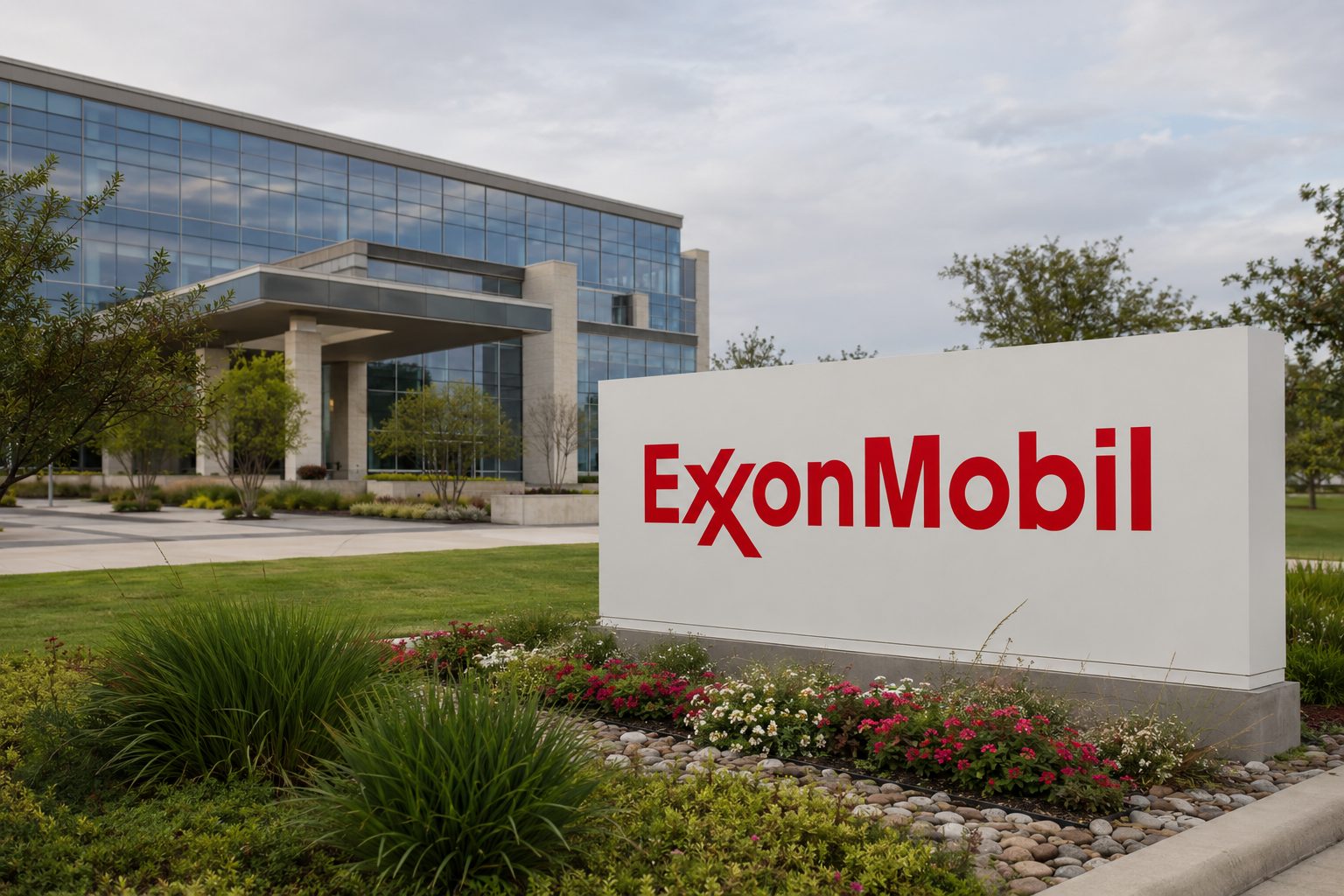
Shares of Exxon Mobil Corporation NYSE:XOM gained 1.5% on Monday, with Brent crude nearing $91 per barrel. The rise added further separation between current oil prices and Vice President JD Vance’s announced target of sustained relief.
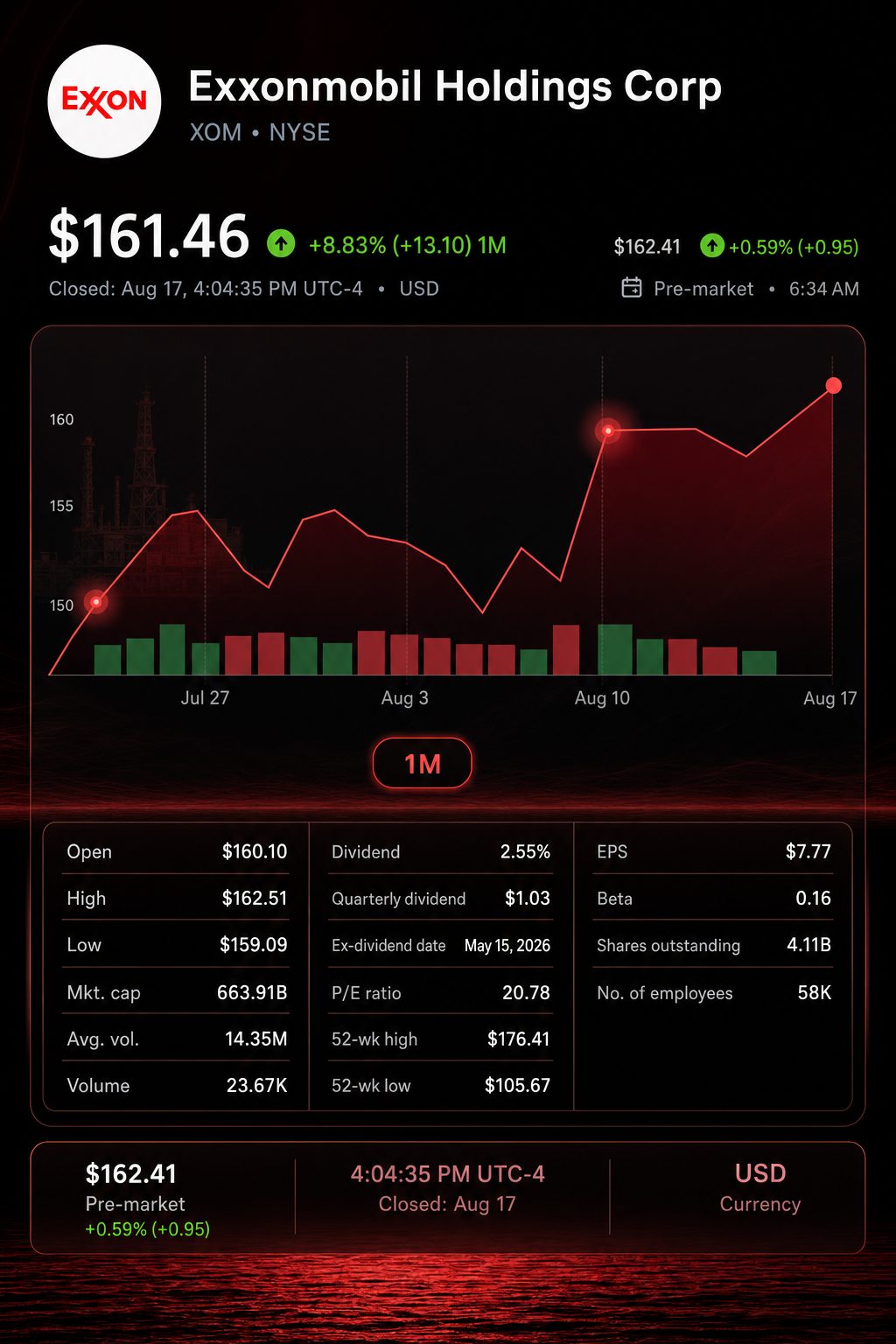
The gap is significant, but not solely in the typical direction. Increased crude prices boost Exxon’s upstream profits. However, the same unrest in the Middle East has resulted in production halts and limited shipping.
On August 6, Vance stated oil prices would “come down and stay down.” He pointed to a market level close to $79. On Tuesday, Brent was trading at $91.22, roughly 15.5% above that level. Vance remarks
Brent rose 0.4% during European hours, while U.S. crude climbed 1.0% to $85.31. Both indexes were on course for a third consecutive increase. Ongoing security risks in the Strait of Hormuz continued to dominate sentiment.
| Oil reference | Price | Comparison |
|---|---|---|
| Level mentioned by Vance, August 6 | About $79 | Policy benchmark |
| Brent, August 18 | $91.22 | 15.5% higher than reference |
| WTI, August 18 | $85.31 | 8.0% higher than reference |
| Exxon Q2 Brent average | $96.68 | 6.0% over current Brent |
Exxon finished Monday at $161.46. Shares of Chevron Corporation NYSE:CVX rose 1.4%, with ConocoPhillips NYSE:COP up 1.3%. Meanwhile, the overall market posted a loss.
| Monday market action | Ticker | Change |
|---|---|---|
| Exxon Mobil | NYSE:XOM | +1.50% |
| Chevron | NYSE:CVX | +1.35% |
| ConocoPhillips | NYSE:COP | +1.29% |
| S&P 500 | Index | -0.52% |
The relative increase highlights oil leverage. Still, Exxon’s data underline the trade’s complexity. Its Qatar business saw a decline of around 450,000 barrels of oil equivalent per day in the second quarter.
Chief Executive Darren Woods stated, “The second quarter was shaped by disruption, but defined by execution.” Adjusted earnings were $14.68 billion, coming in below the analyst consensus cited by Reuters. ExxonMobil results; Reuters
| Exxon Q2 measure | Result |
|---|---|
| Adjusted earnings | $14.68 billion |
| Adjusted upstream earnings | $9.19 billion |
| Adjusted energy-products earnings | $4.10 billion |
| Operating cash flow | $23.6 billion |
| Free cash flow | $17.2 billion |
| Shareholder distributions | $9.4 billion |
| Production | 4.514 million boepd |
The disruption in Qatar represented approximately 10% of Exxon’s production for the quarter, based on initial company data. If the Strait of Hormuz were closed for an entire quarter, Middle East production could drop by roughly 750,000 boepd compared with a year ago.
Additional assets act as a counterbalance. Production in the Permian surpassed 1.8 million barrels per day. A fifth platform in Guyana is set to contribute another 250,000 barrels daily in the fourth quarter. These developments lessen, though do not eliminate, exposure to the region.
Wall Street sentiment is generally favorable, but the margin above current levels is slim. Among 25 analyst ratings, there are 10 buys, 14 holds, and one strong sell. The consensus price target stands at $168.55, a premium of roughly 4.4% to Monday’s closing price.
| Analyst recommendation | Count | Share of coverage |
|---|---|---|
| Strong buy | 7 | 28% |
| Buy | 3 | 12% |
| Hold | 14 | 56% |
| Sell | 0 | 0% |
| Strong sell | 1 | 4% |
Barclays analyst Betty Jiang maintained a buy rating on Monday while reducing her price target to $177 from $182. This new target suggests a potential upside of roughly 9.6%. The adjustment highlights a market weighing higher crude prices alongside ongoing operational uncertainty.
Risks: A diplomatic resolution may drag oil prices down and weigh on upstream profits. Continued conflict could keep prices higher but worsen production declines, shipping hold-ups and disruptions at refineries.
Exxon shareholders see limits to benefits from $91 Brent. The main factor is if price increases compensate for fewer barrels produced. Vance’s push for lower oil use increases policy pressure.
Related articles: NYSE:XOM