
DUBAI, August 16, 2026, 03:00 GST — International oil-futures and cash markets remain shut for the weekend.
Brent crude settled at $88.52 per barrel on Friday, marking a 5.9% gain over the week. The increase came after the United States threatened to continue its blockade of Iran without a set time limit. Meanwhile, Washington and Tehran issued conflicting statements regarding control of the Strait of Hormuz.
Brent ended the session $8.52 higher than Goldman Sachs’ estimated spot fair value of about $80. This difference, representing a 10.7% preliminary market risk premium, puts Brent close to the upper end of Goldman’s projected $80-to-$90 range.
| Market | Friday close | Weekly change | Investor signal |
|---|---|---|---|
| Brent crude | $88.52/bbl | +5.9% | Trading just below Goldman’s $90 upper estimate |
| WTI crude | $82.40/bbl | +5.4% | Holds $6.12 spread under Brent |
| United States Oil Fund | $126.60 | +7.3% | Performance topped futures benchmarks |
Energy stocks advanced again. The Energy Select Sector SPDR Fund NYSEARCA:XLE climbed 7.7% over the past week. Shares in Chevron Corporation NYSE:CVX increased 7.2%, and Exxon Mobil Corporation NYSE:XOM was up 4.6%.
| Security | August 7 close | August 14 close | Weekly change |
|---|---|---|---|
| Energy Select Sector SPDR Fund NYSEARCA:XLE | $57.50 | $61.91 | up 7.7% |
| Chevron Corporation NYSE:CVX | $186.56 | $200.00 | up 7.2% |
| Exxon Mobil Corporation NYSE:XOM | $153.04 | $160.10 | up 4.6% |
SEB Research’s Bjarne Schieldrop said the U.S. stance had inevitably driven prices higher. He also noted that there was little immediate optimism for normal flows through Hormuz. Julius Baer’s Norbert Rucker, meanwhile, pointed out that storage levels remained stronger than expected, which he said could push prices down.
The International Energy Agency projects an oil shortfall of 1.8 million barrels per day in the third quarter. For the full year, it expects supply to fall short of demand by 1.27 million barrels daily. Oil output from the Middle East in July was 8.3 million barrels per day less than levels before the war.
| 2026 forecast | IEA | OPEC | Difference |
|---|---|---|---|
| Change in demand | -1.60 million bpd | +0.58 million bpd | 2.18 million bpd |
| Change in supply | -4.30 million bpd | Not listed in the most recent comparison | — |
| Implied market balance | Deficit of 1.27 million bpd | Not listed in the most recent comparison | — |
The division in demand forecasts is significant. OPEC projects daily consumption will increase by 580,000 barrels, while the IEA anticipates a decrease of 1.6 million barrels per day. That creates a 2.18 million-barrel difference, making oil prices sensitive to supply news ahead of any confirmation from demand data.
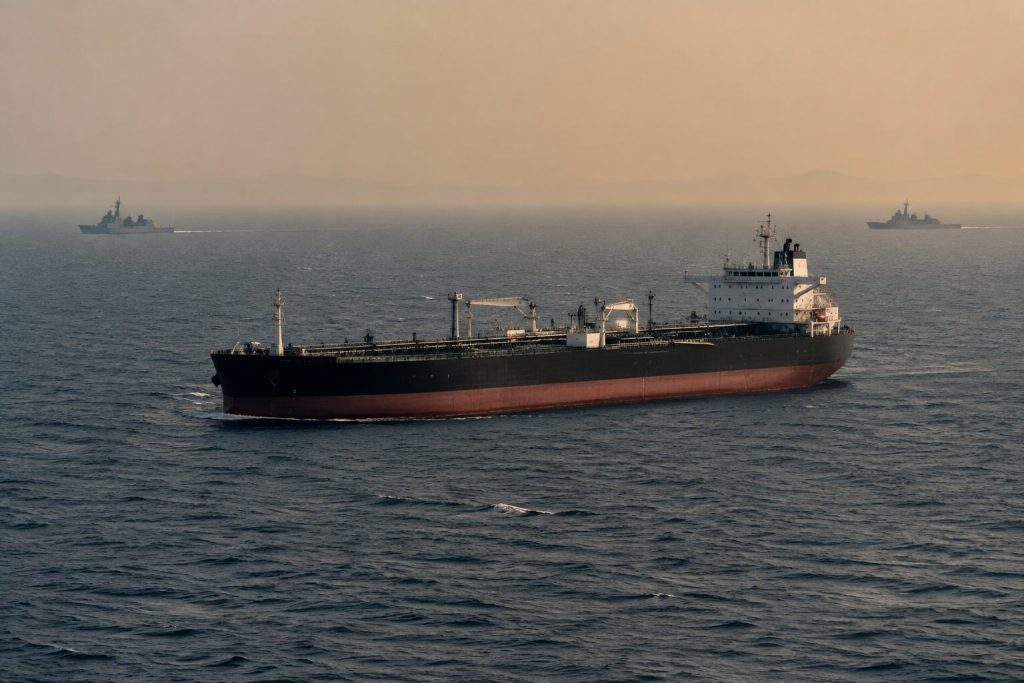
Physical flows are still the main limiting factor. According to EIA data, oil shipments through Hormuz averaged 14.6 million barrels per day in the first quarter, down by 5.8 million barrels compared to the same period in 2025, representing a 28.4% decrease.
| Hormuz flow | Q1 2025 | Q1 2026 | Change |
|---|---|---|---|
| Total oil | 20.4 million bpd | 14.6 million bpd | -28.4% |
| Crude and condensate | 14.3 million bpd | 10.7 million bpd | -25.2% |
| Petroleum products | 6.1 million bpd | 3.9 million bpd | -36.1% |
| LNG | 11.7 Bcf/d | 7.3 Bcf/d | -37.6% |
The head of Iran’s Basij stated the strait is “under Iran’s control and management.” U.S. President Donald Trump earlier claimed the United States had “total control.” Neither assertion alone resolves throughput issues. Iran’s joint command declared vessels require Tehran’s approval to transit. Reuters
| Analyst recommendation or call | Market stance | Key level or trigger |
|---|---|---|
| Goldman Sachs | Range expected | Brent stays between $80-$90 barring fresh agreement or significant escalation |
| SEB Research | Short-term positive | No expectation for a return to usual Hormuz flows soon |
| Julius Baer | Bearish offset | Strong storage levels likely to weigh on prices |
Risks: Confirmation of a shipping agreement or a persistent increase in tanker flows could sharply reduce Brent’s current 10.7% premium. Additional vessel attacks or stricter enforcement might drive Brent above the range set by Goldman. The primary downward pressures continue to be subdued demand and a substantial build in U.S. inventories.
When trading in oil futures resumes, $90 will be the key level to watch. Market participants are monitoring vessel movement through the Strait and awaiting U.S. economic actions expected next week. At this stage, price trends rely more on the volume of barrels moving through the area than on territorial claims to the waterway.