
ISTANBUL, September 5, 2026, 21:40 TRT — Turkey’s diesel shock is larger than Friday’s pump rise. A scheduled excise increase could add about 13.08 lira per litre, including VAT, between September and January.
That calculation assumes crude oil, refining margins, the lira and distributor pricing do not move. They almost certainly will. Still, the tax clock creates a visible inflation risk which falling oil alone cannot erase.
The arithmetic is blunt. Istanbul diesel at 88.81 lira would reach 101.89 under January’s tax rate, holding every other input constant. This is an illustration, not a pump-price forecast.
The diesel tax keeps climbing
Statutory special consumption tax, lira per litre
The gross additions compare each step with September’s 3-lira rate and apply 20% VAT. Source: Presidential Decision No. 11606, reproduced in the Aug. 13 Official Gazette record.
The pump shock came first
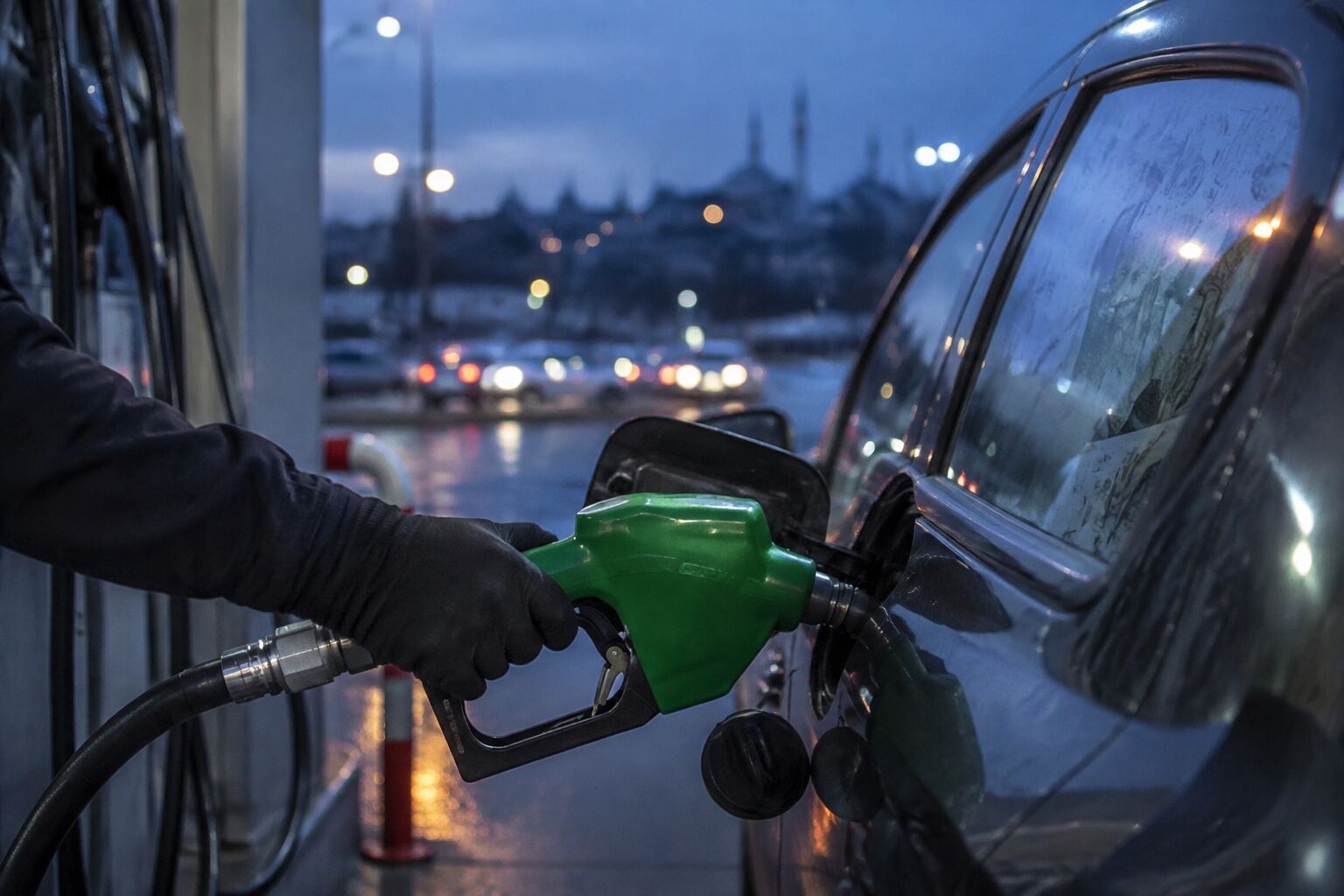
Diesel rose 7.76 lira per litre on Friday, while gasoline gained 2.47 lira. The move pushed diesel above 90 lira in many provinces, according to Independent Türkçe’s ANKA report.
Bitlis reached 91.65 lira. Antalya stood at 91.26, while İzmir was 90.20. Istanbul remained lower at 88.81 because freight and local distribution costs vary.
A 90-lira litre is already here
Friday diesel prices, lira per litre
January illustration, all else equal: Istanbul 101.89 • Ankara 102.99 • İzmir 103.28 • Antalya 104.34
Actual pump prices vary by company and location. Source: Independent Türkçe / ANKA, Sept. 4.
Friday’s increase reflected renewed oil-market stress and a softer currency. It also followed an August energy shock. Bloomberg HT recorded Istanbul diesel at 88.88 lira, close to the ANKA figure.
Small differences matter here. Pump prices are recommendations, not a single national tariff. Investors should separate the confirmed tax schedule from estimates for any one station.
Inflation had already found the fuel channel
Official consumer prices rose 1.84% in August and 31.51% from a year earlier. Transport prices climbed 4.82% during the month, according to TurkStat.
Economist Hakkı Hakan Yılmaz estimated August fuel increases added 0.33 percentage point to monthly inflation. He put their January-to-August direct contribution at 1.25 points, Ekonomim reported.
Those estimates predate Friday’s rise. Second-round effects may be wider because diesel powers freight, farming and many business fleets. Timing and competition decide how quickly companies pass costs onward.
The rate-cut case now has a diesel test
The central bank “remains highly attentive to upside risks on inflation.”
Sources: TurkStat, Central Bank meeting summary and official exchange rates.
Before the latest pump change, BBVA Research expected a 100-basis-point cut in October. Its economists still saw 30% year-end inflation, while flagging volatile energy and supply chains in a Sept. 3 note.
The September meeting comes first. The central bank has held its one-week repo rate at 37%. Its committee says persistent deterioration would trigger tighter policy.
Equities absorbed Friday, then closed for the weekend
Borsa Istanbul’s BIST 100 finished Friday at 14,012.42, up 0.57%, Bloomberg HT reported. The rise argues against calling the fuel news an immediate equity shock.
The U.S.-listed iShares MSCI Turkey ETF (NYSEARCA:TUR) closed at $39.23. It rose 0.64% Friday, yet lost 2.73% from Monday through Friday.
Turkey ETF surrendered four percent in six sessions
NYSE Arca daily closes, U.S. dollars
Friday volume was 140,301 shares. Source: Nasdaq historical data.
The ETF is an imperfect proxy. Dollar returns combine Turkish share prices, sector weights and currency effects. Friday’s small gain cannot isolate investors’ verdict on diesel.
Its six-session decline still shows the market entered this weekend with less cushion. Banks face rate-path uncertainty. Retailers, airlines and industrial groups face different fuel and demand exposures.
The January number is a stress test
Several forces could soften the path. Brent may retreat, refining spreads may narrow or the lira may strengthen. The government could also amend taxes again.
The opposite risks are harsher. Another oil spike, weaker exchange rate or wider diesel shortage would sit on top of the tax increases. Freight pass-through could then spread beyond transport.
Watch the Sept. 10 rate decision, September inflation details and each monthly excise step. Together they will show whether Turkey’s disinflation trade survives the diesel staircase.