
Tokyo, May 25, 2026, 22:04 JST
- Seven & i said Toshifumi Suzuki, its former chairman and honorary adviser, died of heart failure on May 18 at 93.
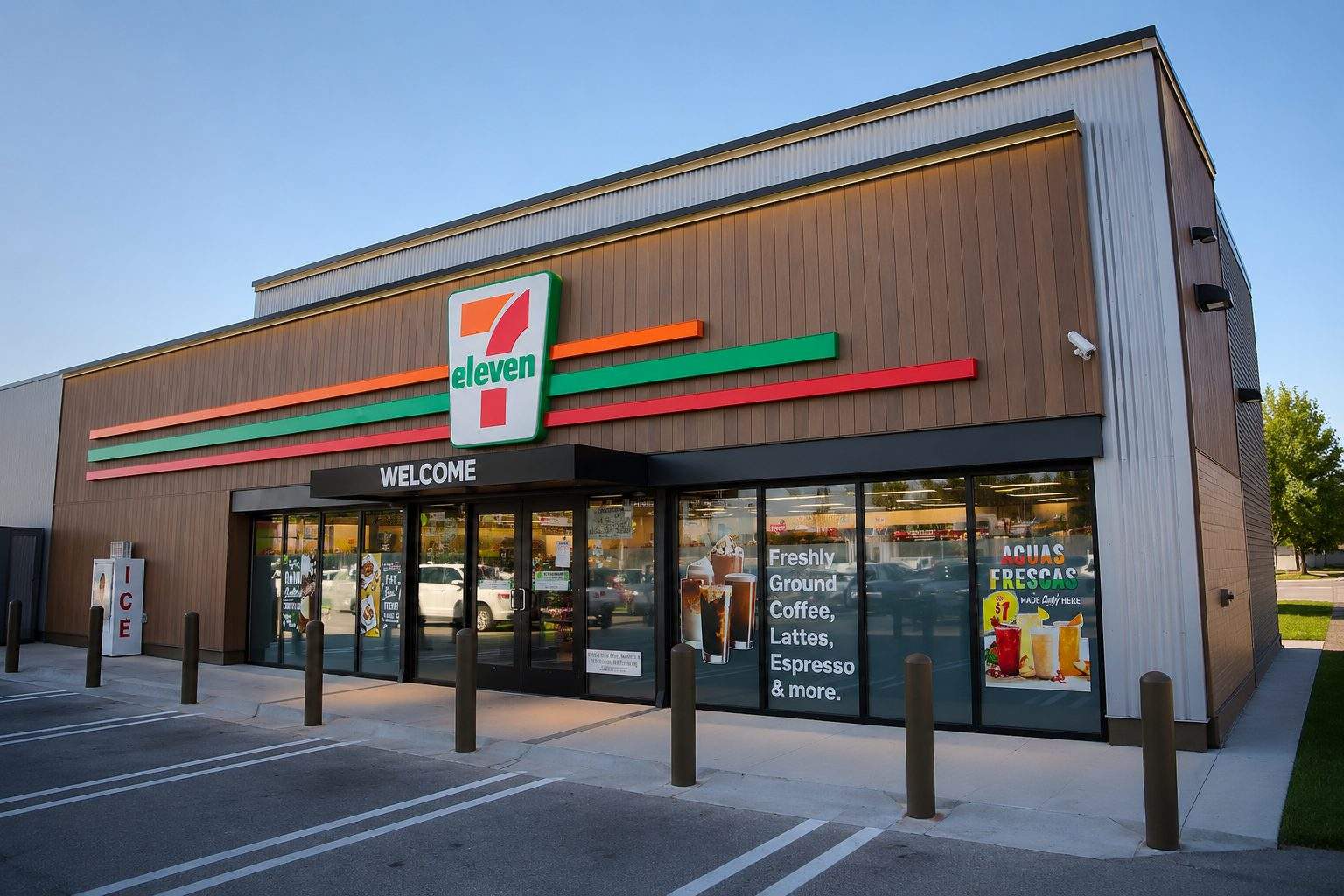
- Toshifumi Suzuki introduced 7-Eleven to Japan in the 1970s, turning it into a place where people go for food, ATMs and bill pay.
- His death happens while Seven & i tries to shore up its North America business. The retailer has pushed back a planned listing, and Circle K parent Alimentation Couche-Tard walked away from a $46 billion takeover offer last year.
Seven & i Holdings on Monday said Toshifumi Suzuki has died at 93. Suzuki, who led the creation of 7-Eleven Japan and drove its global expansion, died of heart failure, the company said.
The death marks the end of an era for Japan’s convenience store, or “konbini,” industry, just as Seven & i shows investors it thinks its model can still grow. Now, the story is about more than Japan. The focus is shifting to North America, where Seven & i has put off the planned listing of its 7-Eleven business to the financial year starting April 2027 or later. Reuters
Suzuki’s impact isn’t just about nostalgia. Seven & i is still in the spotlight after Couche-Tard, which owns Circle K, dropped its $46 billion offer in July 2025. The Canadian company said the Japanese retailer wasn’t willing to engage on what could have been Japan’s biggest foreign buyout.
Suzuki, born in Nagano in 1932, started at Ito-Yokado in 1963 after a stint at a book wholesaler. He struck a deal in 1973 with Southland Corp., then running 7-Eleven in the U.S., and Seven-Eleven Japan launched the next year with its first Tokyo store.
Suzuki didn’t just focus on late-night snacks. He drove ready-to-eat meals, fast product rotation and used point-of-sale data from registers to influence store inventory. Reuters reported this made convenience stores a key part of Japan’s retail scene.
Seven & i says Seven-Eleven Japan ended April with 21,735 stores, bigger than the old U.S. business. 7-Eleven Inc. had 12,963 stores in North America at the close of 2024. Bloomberg puts the global count at over 85,000 locations, with Japan holding about a quarter.
Suzuki said the move looked risky at first. “Everybody said it won’t succeed,” he told Bloomberg in a 2013 interview. “I knew they were wrong.” The Edge Malaysia
He later played a part in turning the balance of power around with 7-Eleven’s U.S. parent. According to Seven & i, Ito-Yokado took 69.98% of Southland’s shares in 1991 and turned 7-Eleven Inc. into a wholly owned unit by 2005.
Suzuki resigned as chairman in 2016 following a management dispute, though he stayed on as honorary adviser. Seven & i said the funeral would be private. The company asked that condolence visits, money, gifts and flowers not be sent. A later farewell gathering is planned.
Rivals also offered tributes. Lawson President Sadanobu Takemasu described Suzuki as “strict” but “very kind” and someone who considered the entire industry, according to Fuji News Network. FNNプライムオンライン
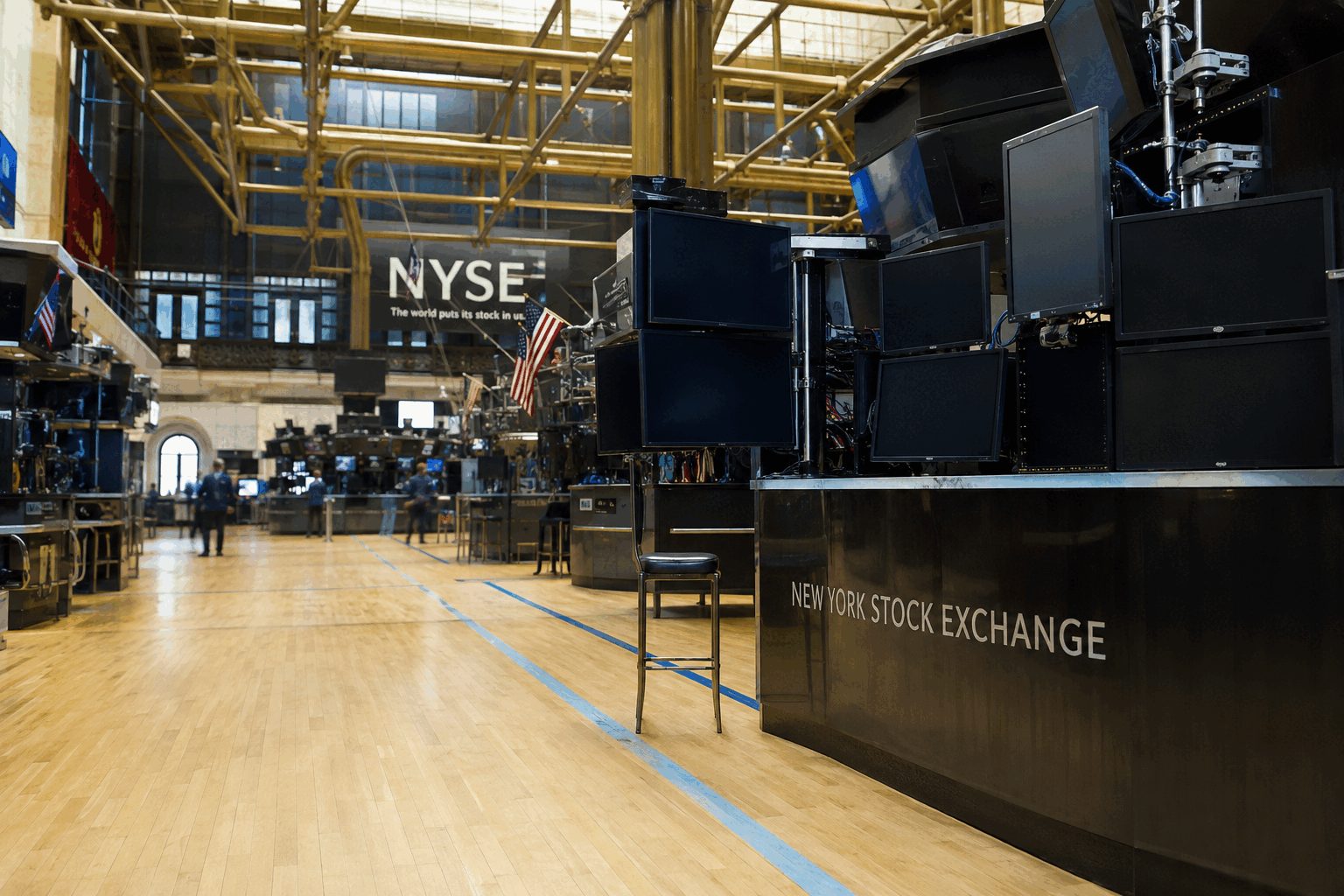
Seven & i faces a tough road on execution. CEO Stephen Dacus said the timing of any North America IPO, or stock-market listing, “will be driven strictly by value.” The company still has to prove its turnaround is working. If U.S. business continues to lag, the same Suzuki-built empire could draw more heat from investors. C-Store Dive
Suzuki leaves behind his wife and two children, according to the Associated Press. Seven & i said in its statement that Takafumi Suzuki, his oldest son, would serve as chief mourner.
Related articles: Stock Market