NEW YORK, December 28, 2025, 18:41 ET
- Asteroid Apophis is due to pass within about 32,000 km (20,000 miles) of Earth’s surface on April 13, 2029, and is not expected to hit Earth. European Space Agency+2European Space Agen…
- The University of Bern is developing the CHANCES camera for ESA and Japan’s planned Ramses mission to study how Earth’s gravity affects the asteroid. Media Relations+1
- NASA’s OSIRIS-APEX spacecraft is also headed for Apophis and is expected to begin observing around the 2029 flyby. NASA Science
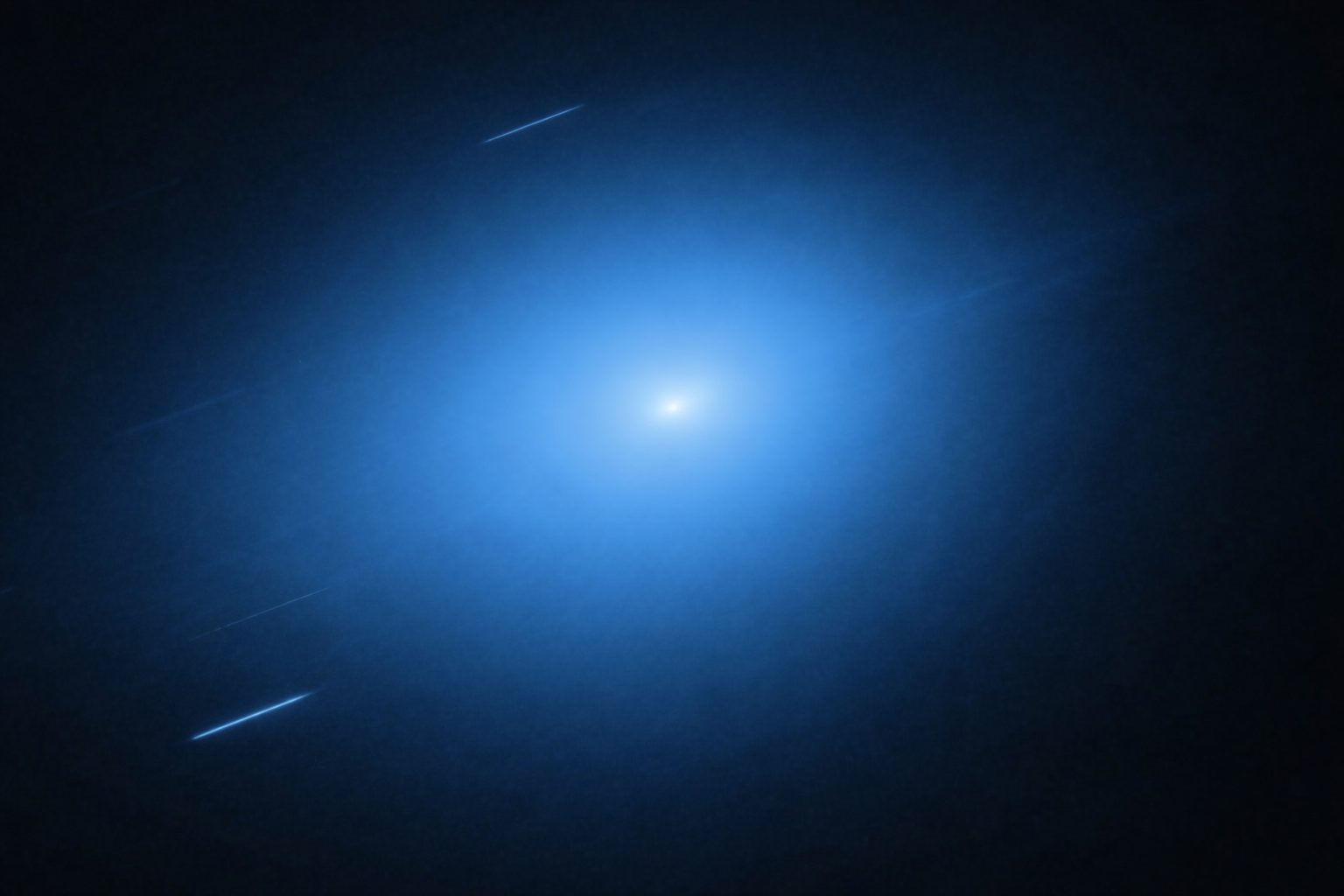
Scientists are sharpening plans to study asteroid Apophis ahead of its unusually close — but safe — flyby of Earth in April 2029, with a Swiss-built camera selected for Europe’s planned Ramses mission. European Space Agency+1
The encounter matters because Apophis is expected to pass within about 32,000 km (20,000 miles) of Earth’s surface, closer than many satellites in geostationary orbit — and close enough for Earth’s gravity to alter the asteroid’s physical state. European Space Agency+2Media Relations+2
Media coverage on Sunday, including in India and the United States, highlighted the flyby and renewed public attention on a space rock that once drew impact fears. The Times of India+1
Apophis was discovered in 2004 and early calculations showed a small chance of a future impact, before later observations ruled out any chance of collision for at least the next 100 years, the European Space Agency says. European Space Agency+1
ESA’s Ramses — short for Rapid Apophis Mission for Space Safety — is designed to rendezvous with Apophis and track it through the 2029 flyby to study how Earth’s gravity changes its physical characteristics, ESA says. European Space Agency+1
The University of Bern said its CHANCES instrument — short for Colour High-resolution Apophis Narrow-angle CamEra System — will take high-resolution images to study possible changes on the surface. Media Relations
“Our instrument will take detailed images of the surface of Apophis and will be able to detect subtle changes caused by the Earth’s gravitational pull,” Antoine Pommerol, who is leading development of CHANCES at the University of Bern, said in a statement. Media Relations
Bern researchers said Earth’s gravity during the pass could slightly deform Apophis, affect its rotation and potentially trigger small debris avalanches that expose material from the interior. Media Relations
ESA says Apophis is roughly 375 metres across and, for a short time, is expected to be visible to the naked eye in clear, dark skies for around two billion people across much of Europe and Africa and parts of Asia. European Space Agency+1
NASA, meanwhile, has redirected the OSIRIS-REx spacecraft — now renamed OSIRIS-APEX — to study Apophis, saying it will rendezvous with the asteroid shortly after the 2029 close approach. NASA Science
The U.S. agency has said OSIRIS-APEX may use its thrusters to stir up dust and rocks on the surface to help scientists see below it, while mapping and analyzing the asteroid’s chemical makeup. NASA Science
The University of Bern also pointed to the broader “planetary defence” push — efforts to detect and potentially deflect asteroids that could hit Earth — noting its researchers’ role in NASA’s DART impact test and ESA’s Hera follow-up mission. Media Relations
NASA said Apophis will also be closely tracked by Earth-based telescopes, but that in the hours after closest approach the asteroid will appear too near the Sun for many ground-based optical observations, making spacecraft measurements important for detecting changes. NASA Science