
New York, March 23, 2026, 08:52 (EDT)
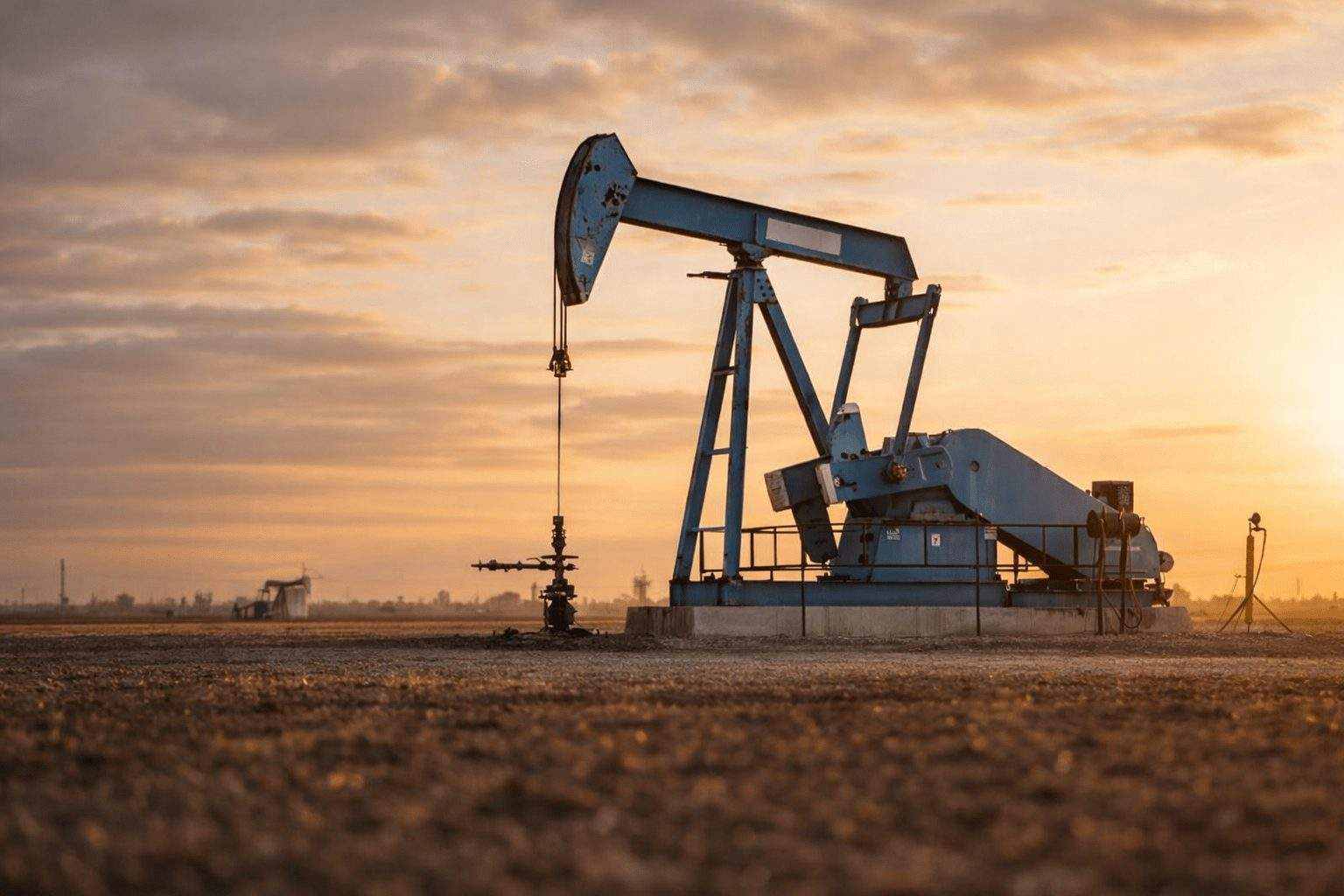
- Brent crude tumbled up to 15%, hitting a session low of $96 a barrel. U.S. crude slipped to $85.28 after Trump pushed back planned strikes on Iranian energy infrastructure by five days.
- Dow futures gained 1.42% by 08:03 a.m. ET, with the S&P 500 and Nasdaq trailing close behind, up 1.30% and 1.29%. Investors pulled back from some of their more dire wagers on a broad oil shock.
- Iran shot down speculation of negotiations with Washington, and warned that if its coast is attacked, it might lay mines throughout Gulf shipping lanes.
Oil prices tumbled, with Brent sliding to $96 a barrel and West Texas Intermediate dropping to $85.28. U.S. stock futures shifted higher Monday after President Donald Trump announced a five-day hold on planned strikes targeting Iranian power plants and energy sites, following what he called productive talks with Tehran. Futures, which hint at the direction for Wall Street at the open, turned positive.
Traders had spent the weekend on edge, bracing for potential disruption to the Strait of Hormuz—the key choke point linking Iran and Oman, where roughly 20% of the world’s oil and LNG moves through. Monday, the International Energy Agency said it was talking with governments about possible further emergency stock releases, following an unprecedented 400 million-barrel drawdown earlier this month.
Iran’s threat to retaliate in kind if the U.S. targeted its power grid—specifically mentioning Israeli plants and Gulf-based U.S. facilities—prompted Trump to back off. For investors, that shift mattered. “Exactly what the market needed to hear,” said City Index’s Fiona Cincotta, pointing to a sharp reduction in worst-case wagers and a swing toward pricing in a potential reopening of Hormuz. Reuters
Prospects look shaky. Iran’s Fars news agency shot down talk of any direct or indirect contact with Washington, and Israeli troops reported ongoing operations inside Iran. “A resolution might be on the horizon if diplomacy is real,” said Hamad Hussain, climate and commodities economist at Capital Economics, but Trump’s unpredictability still rattles traders. Reuters
Over the weekend, prices swung sharply—Brent touched the $113 mark at one point and settled around $111 by late Sunday. That followed Trump’s 48-hour ultimatum. U.S. gasoline, meanwhile, edged toward $4 a gallon. “The belief the war would end quickly was quickly falling apart,” said Michael McCarthy, chief executive of trading platform Moomoo. Axios
Relief didn’t land evenly ahead of the open. Exxon Mobil and Chevron traded more than 1% lower before the bell, hit as crude prices slipped. Occidental Petroleum saw a sharper move, down 4.5%. Airlines, though, took off—American and United each advanced over 4%. Banks were firmer too, with JPMorgan Chase and Goldman Sachs among the gainers.
The threat on the downside hasn’t gone away. Iran’s Defence Council warned that any strike targeting its southern coast or islands would trigger the deployment of sea mines across Gulf shipping lanes—potentially extending the fallout well beyond the Strait of Hormuz. Goldman Sachs bumped its 2026 Brent outlook to $85 from $77 late Sunday, but flagged that prices could rocket to $135 a barrel if supplies take a serious hit.
Oil’s one-day slide hasn’t erased the wider energy crunch. IEA chief Fatih Birol calls this worse than both the 1970s oil crises and the fallout from Russia’s war in Ukraine—together—pointing to the loss of 11 million barrels per day from global flows. “The single most important solution” is reopening Hormuz, he added. Reuters
Four weeks since fighting started on Feb. 28, the death toll has topped 2,000. Brent climbed roughly 55% from late February before Monday’s sharp drop, and U.S. crude exports could hit a record 4.6 million barrels a day this March, Kpler says—a sign the world’s biggest producer is getting dragged further into the turmoil.
Now, the focus shifts to two key signals: confirmation that negotiations are actually happening, and solid evidence ships are moving with fewer constraints. Lacking both, Monday’s bounce could easily be dismissed as just a breather rather than a fix.
Related articles: NYSE:BA