
New York, June 21, 2026, 08:52 (EDT)
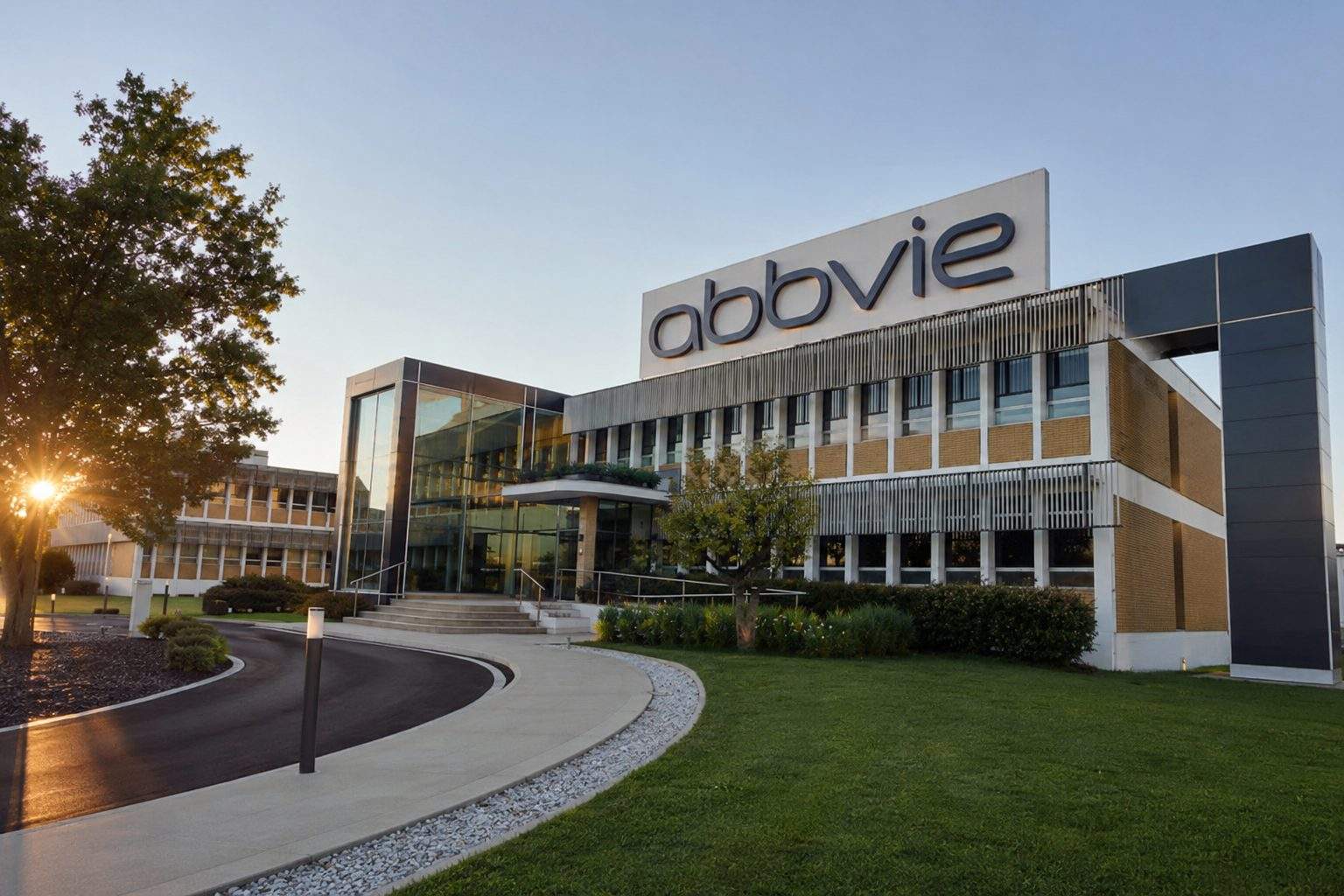
- AbbVie is close to buying Apogee Therapeutics for $10.9 billion in cash, sources said. The deal could be announced as soon as Monday.
- XLV, the healthcare ETF, slid almost 3% for the week ended June 18.
- Biotechnology stocks that react to rates could see some action Thursday, when key U.S. growth and inflation numbers are out.
Healthcare stocks in the U.S. could move Monday after a report said AbbVie is nearing a $10.9 billion cash takeover of Apogee Therapeutics. That price would be about 60% over where Apogee ended Thursday. Neither company has confirmed a deal.
The report came out Friday as U.S. exchanges were closed for Juneteenth, so investors got no chance to trade during normal hours. Markets stay closed Sunday and won’t reopen until 9:30 a.m. EDT on June 22. AbbVie and Apogee are expected to be in focus when the sector opens.
Apogee’s main drug, zumilokibart, blocks IL-13, a protein linked to inflammation. The company said it is planning to launch Phase 3 trials in the second half of 2026 to test safety and efficacy. Zumilokibart targets the same market as Dupixent from Regeneron and Sanofi. AbbVie, after reporting that first-quarter Humira sales dropped 38.6%, is also looking to build out its pipeline.
Health care stocks had a tough run, with the Health Care Select Sector SPDR Fund dropping 2.9% in the four sessions from June 12 to June 18. The S&P 500 added 0.93% over the same stretch. About a third of the fund is tied up in Eli Lilly, Johnson & Johnson and AbbVie, so big moves in those names hit the ETF hard.
Biotech stocks traded mixed. UniQure’s U.S. shares jumped over 75% after the Food and Drug Administration said current data might be enough for an accelerated-approval application for its Huntington’s disease drug. Accelerated approval can allow a drug to launch based on early data but usually asks for a follow-up study. Guggenheim analyst Debjit Chattopadhyay said the decision could show the FDA weighing the problems in rare diseases more. William Blair’s Myles Minter said the regulator “appears to be more flexible on regulatory paths.” Reuters
Moderna shares rose 3.5% Thursday after an FDA advisory panel voted to back the company’s mFlusiva flu vaccine for people over 50. The FDA is expected to make a decision by August 5. But according to Citi’s Geoff Meacham, Moderna probably won’t see big revenue from the vaccine until the second half of 2027, citing the company’s miss of the current U.S. contracting cycle.
Clinical risk hit hard on the downside too. Neumora Therapeutics slid 50% after it scrapped a depression candidate following more late-stage trial failures and said it would cut staff by 35%. RBC analyst Brian Abrahams suggested the heavy drop could mean “a particularly interesting entry point for a revamped go-forward story.” Edgewise Therapeutics dropped almost 10% after its heart drug data fell short of what investors wanted. Still, RBC’s Leonid Timashev said the drug’s efficacy looked “clearly competitive” and called its safety “unmatched in the space.” Reuters
Besides the AbbVie deal, investors on Thursday get the third Q1 GDP reading and May personal income and spending figures at 8:30 a.m. EDT. Core PCE inflation, which leaves out food and energy, is in the income and spending report. If inflation comes in hot, bond yields could move up, putting pressure on biotech names tied to future earnings.
But risks are on the table. AbbVie’s talks might drag out, get new terms, or even get nixed. Zumilokibart still hasn’t reached Phase 3. Apogee noted in its filing that side effects, trial slowdowns, or requests for extra data could stall the drug or lower future sales. The FDA gave some leeway on one rare-disease project, but that doesn’t mean the whole sector gets the same break.
Big pharma and insurance names remain soft, keeping a lid on the benchmark. For now, any improvement for healthcare hinges on those giants finding support, even with small biotech spikes and bids piling up. Traders are watching to see if buyout rumors and a slightly friendlier FDA can spark a turn, but the sector is stuck near the lows unless those heavyweights catch a bid.
Related articles: Stock Market