
NEW YORK, Jan 16, 2026, 19:19 EST
- TSMC forecast nearly 30% 2026 revenue growth and set 2026 capex at $52-$56 billion.
- ASML crossed $500 billion in market value as investors priced in more chip-tool demand.
- The U.S. imposed a 25% tariff on some advanced AI chips under a national security order.
Taiwan Semiconductor Manufacturing Co set the tone for AI-linked stocks this week after the chipmaker forecast 2026 revenue would rise nearly 30% and put 2026 capital spending, or capex, at $52 billion to $56 billion, underscoring demand for processors used to train and run AI systems. Chief Executive C.C. Wei also pointed to a push for more U.S. capacity, saying an Arizona land buy “gives you a hint” of plans to expand “many fabs” there, while warning TSMC was “very nervous” about investing at that scale. Reuters
The numbers matter because TSMC sits in the middle of the AI supply chain: more factory spending can translate into more orders for chipmaking tools, and steadier output for designers that sell the chips into data centers.
It also lands as investors look for hard signs that big-ticket AI buildouts will keep coming, not stall after a run that has left many of the sector’s valuations sensitive to any wobble in growth expectations.
In Europe, that read-through hit ASML, the world’s biggest maker of chipmaking equipment, which crossed $500 billion in market value for the first time after TSMC’s outlook. ASML shares rose 5.4% and an investor in the stock, Han Dieperink at Aureus, said demand for AI was “going faster than everybody expected.” Reuters
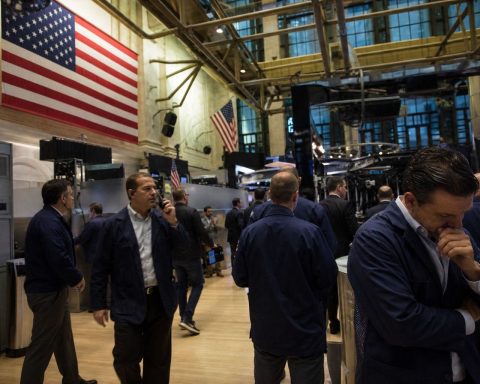
In U.S. trading, chip-linked gains helped steady indexes after earlier weakness this week, with TSMC’s results lifting shares of U.S. chipmakers, according to a Reuters market report.
Policy risk also moved back into view. President Donald Trump imposed a 25% tariff on certain AI chips, including Nvidia’s H200 and AMD’s MI325X, under a national security order following a Section 232 probe, a trade law mechanism that allows duties on security grounds. The White House said the tariffs would be narrow and would not apply to chips and derivative devices imported for U.S. data centers, among other exemptions.
Trade headlines added another layer. The U.S. and Taiwan reached a deal under which Taiwanese companies will invest $250 billion to boost production of semiconductors, energy and artificial intelligence in the United States, Reuters reported, including $100 billion already committed by TSMC in 2025, with more to come, according to U.S. Commerce Secretary Howard Lutnick.
For equity investors, the week’s AI bid collided with a broader rotation debate. A Reuters analysis flagged signs that S&P 500 leadership is widening beyond megacap tech as some investors balk at expensive valuations, with Truist’s Keith Lerner saying investors were looking for “other areas” to invest in when questions rise around tech. State Street’s Michael Arone said whether the earnings growth gap narrows between the “Magnificent Seven” and the rest of the index will shape whether the market keeps broadening. Reuters
Next up, traders will look for confirmation in earnings and guidance, especially around data-center orders and the pace of customer buildouts that ultimately drive demand for advanced chips and the tools used to make them.
The risk is that tariffs spread beyond the narrow list, or that AI spending proves lumpy after aggressive orders, leaving suppliers exposed. Higher bond yields can also pressure richly valued AI stocks by raising the discount rate investors apply to future profits.
Related articles: NASDAQ:NVDA