
MONTREAL, May 10, 2026, 09:04 EDT
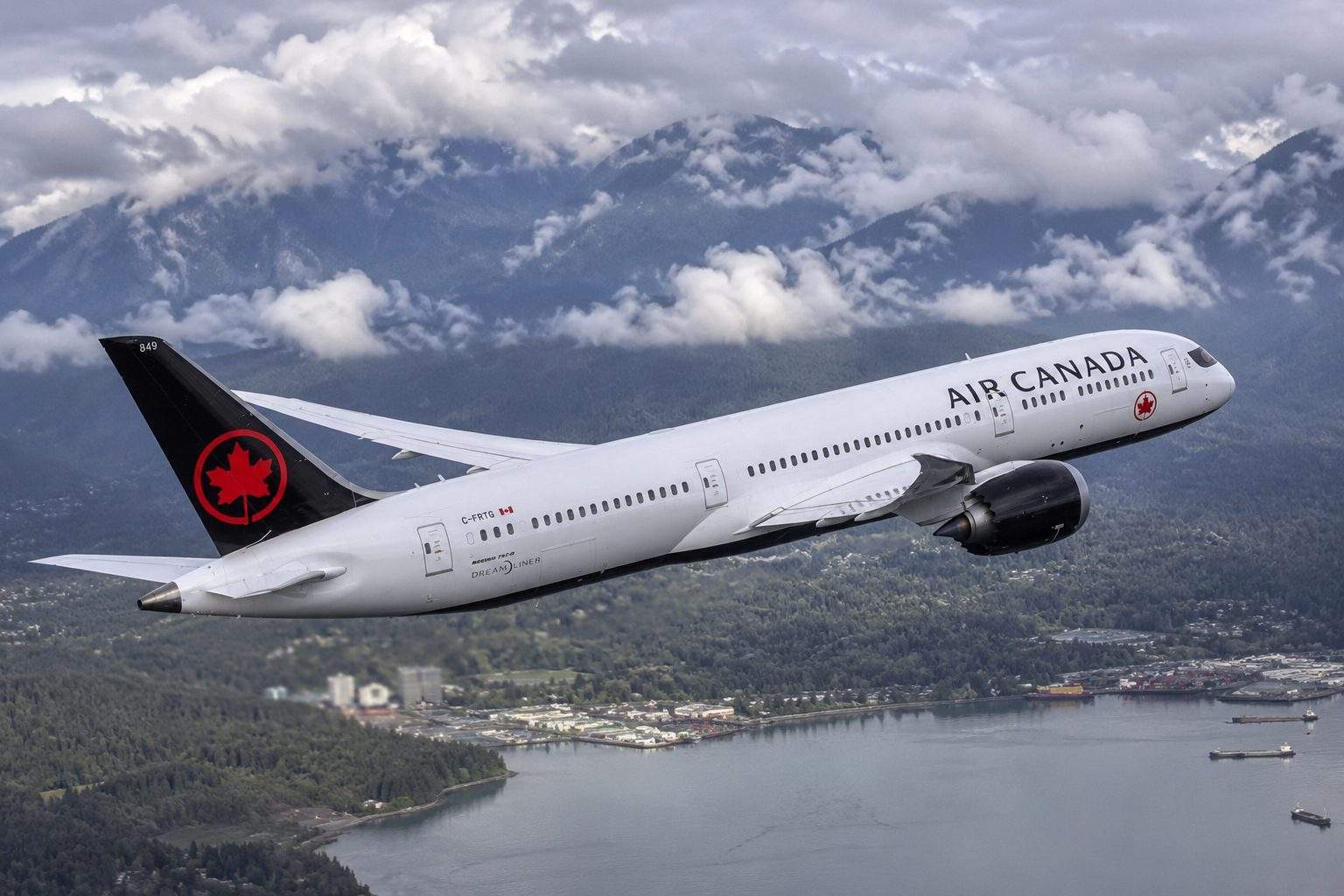
Air Canada is set to end four seasonal U.S. routes ahead of schedule this summer, citing high fuel costs. The carrier has already reduced flights and withdrawn its annual forecast. These newly scrapped routes link Vancouver, Toronto, and Montreal with several mid-sized U.S. cities.
Why it matters now: This comes as summer booking windows shrink, and travelers using niche cross-border routes are left with even slimmer nonstop choices. The fuel price surge isn’t just weighing on airlines’ bottom lines anymore. In March, major U.S. carriers shelled out a bit over $5 billion for jet fuel, a jump of $1.8 billion, or 56%, from February, according to U.S. Transportation Department figures.
Four routes are on the chopping block: Vancouver-Raleigh ends July 29, Toronto-Sacramento wraps Aug. 1, Toronto-Charleston finishes Sept. 6, and Montreal-Austin halts Sept. 7. Air Canada expects to bring all four back in summer 2027. A spokesperson said customers booked on these flights will be offered “alternate travel options, including the option of full refund where applicable.” Global News
Sacramento is losing its nonstop to Toronto—a route first launched in summer 2023 and typically scheduled from June through early or mid-October, airport and airline officials told the Sacramento Bee. Service to Vancouver on Air Canada will stick around. Delta has pulled its Sacramento-Detroit route, shelving it until March 2027, though, unlike Air Canada, Delta didn’t blame fuel.
Air Canada flagged earlier that soaring jet fuel costs—twice as high since the Iran conflict began—had made certain routes unworkable. The airline’s April shake-up dropped flights between Toronto and Montreal to New York’s JFK, plus Toronto-Salt Lake City, Fort McMurray-Vancouver, Yellowknife-Toronto, and Montreal-Algiers for the summer.
On April 30, the company withdrew its 2026 outlook, blaming a murky outlook for jet fuel prices in the back half of the year. For the first quarter, revenue landed at C$5.785 billion. It’s guiding for adjusted EBITDA in the second quarter to come in between C$575 million and C$725 million. The forecast assumes jet fuel costs averaging roughly C$1.28 per litre, factoring in hedging gains — financial contracts designed to blunt big price moves.
Chief Executive Michael Rousseau told analysts the rapid fuel price jump is “testing demand resilience across commercial aviation.” Air Canada maintains that demand is still strong, but says it can only recover about 50% to 60% of its higher second-quarter fuel costs with adjustments to fares, fees, routes and other expenses. Bloomberg
This squeeze isn’t limited to Canada. On Friday, British Airways parent IAG cut its outlook, flagging softer profit, weaker cash flow and less capacity than previously projected. Alaska Air, meanwhile, said Wednesday it’s lining up $500 million in new debt to keep liquidity intact as fuel costs bite into margins. J.P. Morgan’s Harry Gowers still expects IAG’s free cash flow to “remain intact”—not exactly a blanket endorsement for airlines, but a nod to the stronger names. Reuters
Fuel markets may stay volatile for some time. Air Canada warned that if the Middle East conflict drags on or worsens, energy markets could face more disruption, with aircraft fuel costs remaining high or climbing further.
Travelers lose out on nonstop options—summer routes between Canada and Raleigh, Sacramento, Charleston, and Austin now switch to connections. Air Canada, for its part, is testing the limits: how much capacity can it pull back before ceding ground to competitors or undermining its own U.S. network plans for next year?
Related articles: Airlines