
LONDON, May 10, 2026, 14:01 BST
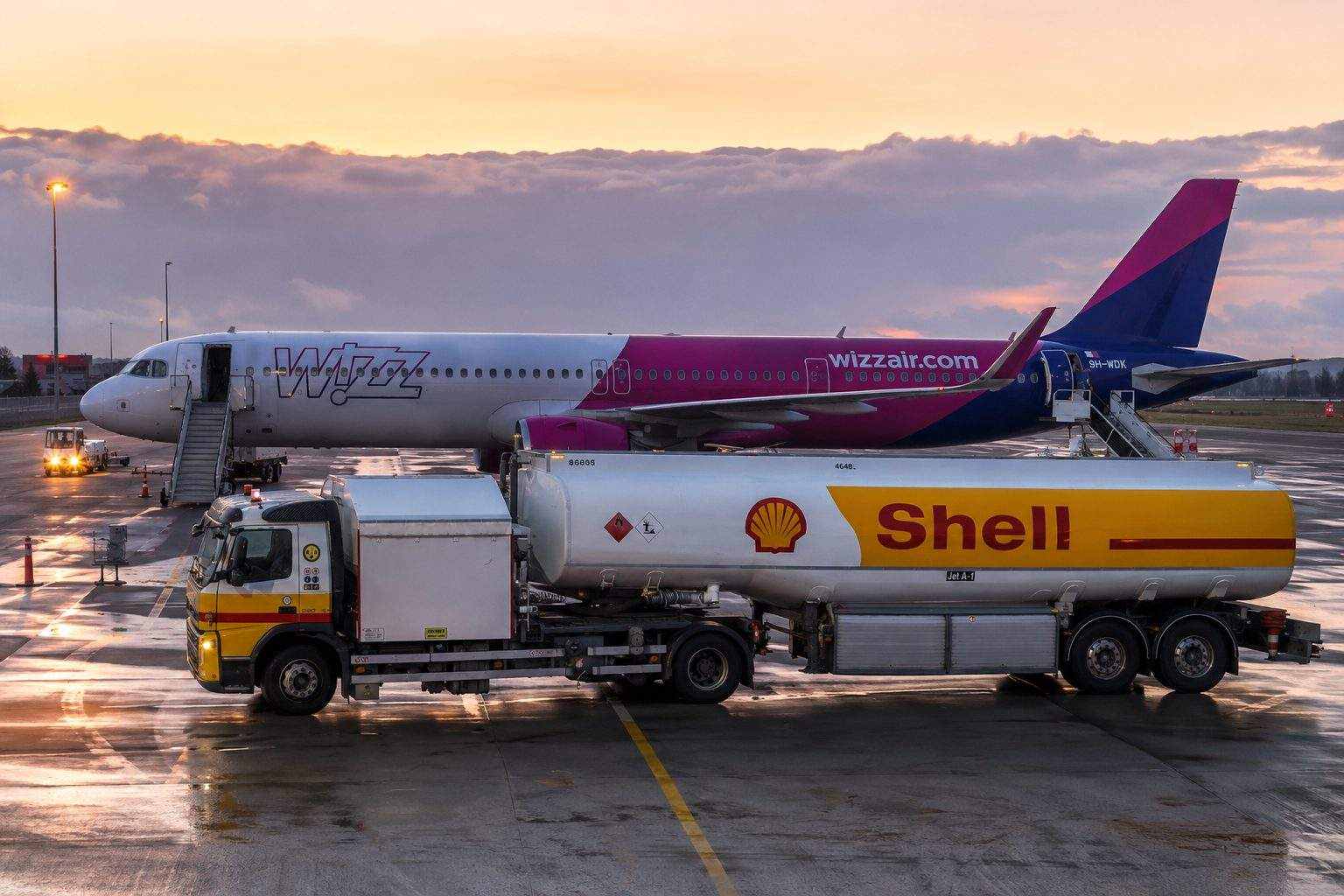
Swiss International Air Lines says its jet fuel stockpile should last around six weeks, but the carrier is already weighing backup refuelling strategies as fuel supply worries shift from earnings pressure to day-to-day operations, with the summer rush looming. CEO Jens Fehlinger told NZZ supplier outlooks are “currently good,” according to Reuters, though both SWISS and parent Lufthansa are considering tankering—hauling extra fuel from airports with better supply—and making extra stops to top up, just in case. Reuters
The crunch comes down to timing. Airlines haven’t pulled flights so far, since jet fuel is still available. But according to the Financial Times, Goldman Sachs flagged that European reserves are sliding toward dangerous lows. That could force airlines to make tougher calls on which routes to keep, as higher prices start biting.
According to Cirium data cited by the Guardian, airlines have trimmed around 2 million seats from their May schedules, translating to about 13,000 flights pulled. That figure represents under 2% of global aviation capacity. Still, the timing stings: the reductions come as carriers typically fill more lucrative summer seats.
IAG, the parent company of British Airways, is looking at a roughly 9 billion euro fuel bill for 2026, with 70% of its outstanding fuel needs already hedged to stabilize costs. The company aims to offset around 60% of that increased fuel expense through higher revenue and other cost measures. Chief Executive Luis Gallego added that IAG doesn’t foresee any fuel supply problems in its key markets.
Still, uncertainty hit the stock hard. In the most recent regular session covered by Reuters, shares of IAG dropped nearly 3% after the company warned that profit, cash flow, and capacity would fall short of its previous outlook. J.P. Morgan’s Harry Gowers, however, said IAG’s “strong free cash flow generation” should hold up. Reuters
Regulators have begun taking action. The European Union has informed airports and airlines that Jet A—typically standard in the United States—can be used, provided the transition is handled correctly. Jet A-1 remains Europe’s usual choice, favored for its reliability in cold conditions and long-haul flights.
The carriers aren’t all taking the same path. Lufthansa is counting on fares, network tweaks and belt-tightening to blunt a 1.7 billion euro spike in jet-fuel costs. Air France-KLM, staring at a $2.4 billion increase in its fuel bill and trimming its capacity growth guidance, is making a smaller cut than some might expect. Bernstein’s Alex Irving pointed to “ongoing strong earnings environment and high demand for travel” as the reasons behind Air France-KLM’s less severe adjustment. Reuters
U.S. airlines shelled out more than $5 billion on jet fuel in March—a jump of $1.8 billion, or 56%, compared to February, according to the U.S. Transportation Department. That spike has airlines bumping up fares, hiking baggage fees, and cutting back certain routes.
The cushion could prove short-lived. France’s transport minister isn’t forecasting widespread flight cancellations this summer, yet airlines are already flagging potential shortages in the coming weeks, and European officials are lining up support as the region leans on Middle Eastern jet-fuel imports.
Passengers will feel the impact first through pricier tickets on high-traffic routes, fewer bargains, extra charges, and targeted flight cuts instead of an all-out stop. Airlines that locked in fuel prices, have healthier finances, or control their own fuel supply can absorb the pressure longer. Others, with thinner margins, may be forced to act sooner.
Related articles: Stock Market