
LONDON, March 9, 2026, 22:23 GMT.
- IAG dropped alongside Air France-KLM, Lufthansa and Wizz Air, as rising oil prices and persistent Middle East tensions squeezed routes and fuel budgets.
- British Airways remains unable to serve a number of Middle East destinations, so it’s adding extra Muscat-Heathrow flights through March 12.
- Just days after IAG topped 2025 profit estimates and kicked off a 500 million euro buyback as part of its 1.5 billion euro cash return plan, the pressure is back on.
International Consolidated Airlines Group (IAG), which owns British Airways, was hit again Monday as oil prices spiked and ongoing Middle East flight disruptions knocked airline stocks. Shares in Air France-KLM, IAG, Lufthansa and Wizz Air dropped anywhere from 2.5% to 6% in the morning session. Brent crude—widely watched as the global benchmark—rallied to its strongest level since 2022 before paring gains.
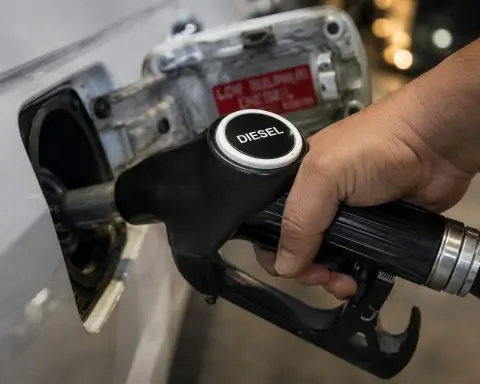
That’s significant for IAG, with fuel trailing just behind labor as its biggest expense. The group just last week delivered an annual profit that topped forecasts, helped by softer fuel prices and strong premium-cabin demand across the Atlantic. IAG is initiating a 1.5 billion euro payout to shareholders over the year—a 500 million euro buyback leads off.
This isn’t about just a single stock. Cirium data shows over 40,000 flights in and out of the Middle East scrapped since Feb. 28. Europe’s travel and leisure index slid as oil pushed close to $120 a barrel, with broader regional markets also slipping on worries that an extended conflict could drive up transport costs and stoke inflation.
IAG’s latest market movements aren’t just tied to fuel costs. In a March 6 update, British Airways said it remained unable to run flights from Abu Dhabi, Amman, Bahrain, Doha, Dubai, and Tel Aviv. To fill the gap, the carrier slotted in additional Muscat-to-Heathrow services for March 9 through 12. Iberia Express, another airline under the IAG umbrella, extended its Tel Aviv cancellations through March 10.
“Travel demand may be curtailed” if fares remain elevated, especially on the leisure side, Morningstar’s Lorraine Tan said. TD Cowen’s Tom Fitzgerald flagged that “hard to envision margin expansion” this year unless energy prices retreat sharply. Morningstar analyst Nicolas Owens added the March fuel spike would weigh on airline profitability. Reuters
That’s a sharp contrast to IAG’s messaging just under two weeks back. Chief Executive Luis Gallego pointed to a “rebound” since Q3 and highlighted robust first-quarter bookings. The group also delivered 2025 operating profit before exceptional items—the go-to metric for excluding one-offs—at 5.02 billion euros, topping what analysts had penciled in. Reuters
IAG isn’t flying blind here. Just last month, the group pointed out it hedges both fuel and currency needs on a rolling three-year schedule, locking in a chunk of future costs in advance. Up to 75% of its short-term exposure is covered, though hedging for 2025 is down about 9% versus last year. That’s a buffer against a brief price spike—but it won’t do much if oil stays high or airspace remains shut for longer stretches.
Spain’s CNMV on Monday posted an update from IAG, detailing the trades made as part of its ongoing share buyback programme. Over on IAG’s regulatory news page, that 500 million euro buyback was first announced back on Feb. 27.
Rival carriers are under similar pressure. Wizz Air flagged a $58 million profit hit last week tied to the conflict. Air France-KLM and Lufthansa, meanwhile, have kept several Middle East routes on hold.
Oil prices trimmed earlier advances on Monday, with officials considering options to rein in the rally. The big question now is how long this situation drags out—both the conflict and the ongoing risk to shipping through the Strait of Hormuz. If this stretches on, IAG faces a double hit: more expensive fuel and tangled flight paths.