
New York, June 5, 2026, 17:06 EDT
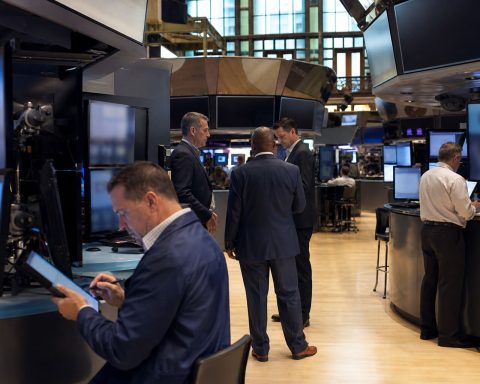
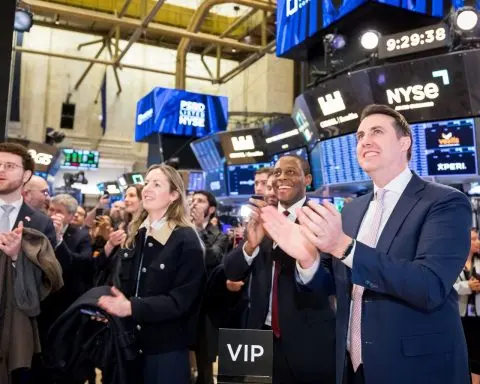
Amazon.com shares slid Friday, dropping about 3.1% to $246.03 as traders pulled money from large tech names. The move followed a strong U.S. jobs report that put higher-for-longer rate worries back in play. Volume topped 55 million shares, with Amazon’s market cap close to $2.68 trillion.
Amazon’s shift matters since it trades on both consumer spending and its AI infrastructure push now. The Nasdaq Composite slid 4.18% and the S&P 500 lost 2.64%. May payrolls came in at 172,000, over twice what a Reuters poll had forecast.
That moved Amazon’s spending narrative back into focus. When rates climb, fast-growing names often take a hit since much of their profit comes later—investors mark down those future earnings harder as yields go up.
Amazon rolled out a new AI-powered warehouse robot, Proteus, in Britain on Thursday, part of its 10 billion euro ($11.6 billion) bet on European fulfillment. Scott Dresser, vice president of Amazon Robotics, said workers can tell Proteus what to do and “it figures out the priority, the route, the timing.” Reuters
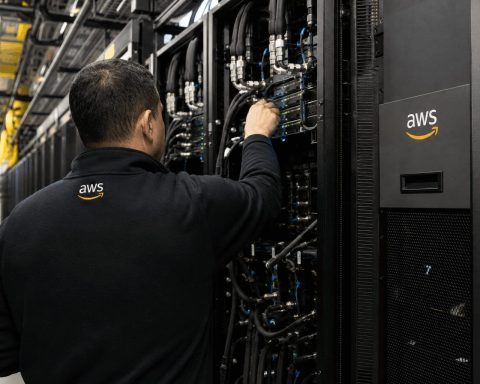
Pinterest is making a big spend on the cloud. The company said it will buy $4 billion of cloud services from Amazon Web Services through 2031 and plans to use Amazon’s own chips for AI tasks instead of standard hardware. “Compute flexibility, hardware optionality, and infrastructure efficiency,” Chief Technology Officer Matt Madrigal said of the deal. Reuters
Amazon is seeing strong growth, but it comes at a price. In April, the company reported first-quarter sales up 17% to $181.5 billion. AWS sales jumped 28% to $37.6 billion, and net income reached $30.3 billion, helped by $16.8 billion in pre-tax gains linked to Anthropic. Free cash flow for the last 12 months dropped to $1.2 billion from $25.9 billion, mostly due to heavier spending on property and equipment for AI. CEO Andy Jassy said Amazon was “well positioned to lead.” Amazon Investor Relations
The stock debate now is about AWS growth and AI deals versus cash needs. Capital spending on things like data centers, chips, warehouses and robots can drive future profit. But it also pushes up the hurdle for short-term returns.
Strategists called Friday’s selloff a reset for the market, not just a move tied to one company. Ryan Detrick at Carson Group said, “the dam just broke today.” Ohsung Kwon at Wells Fargo said the drop looked “more driven by positioning rather than fundamentals.” Carol Schleif at BMO Private Wealth said “a bit of pause is warranted.” Reuters
The split was clear among peers. Microsoft dropped 2.7% and Alphabet was down 0.9%. Walmart, a big competitor to Amazon in retail, added 1.0%. That suggested investors were not pulling out of all consumer stocks.
The risk is clear enough. Any surprise from inflation data or new signals from the Federal Reserve that drive rates higher could hit Amazon’s valuation again. If AWS growth loses steam or AI spending doesn’t land in the margins, investors might shift focus from the scale of the AI opportunity to how much cash Amazon needs to keep chasing it.
Amazon is showing new signs of demand, including a big AWS deal, new robotics in action, and more growth for its cloud business. But on Friday none of that helped much. Shares moved with the rest of the big tech names, and the group was under pressure.
Related articles: NASDAQ:AMZN