
FORT WORTH, Texas, May 15, 2026, 13:03 CDT
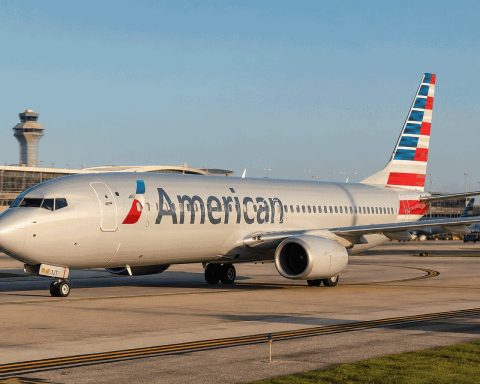
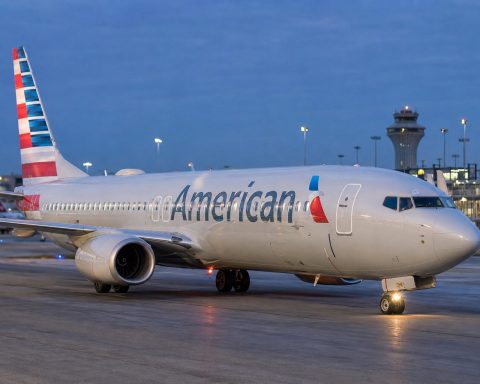
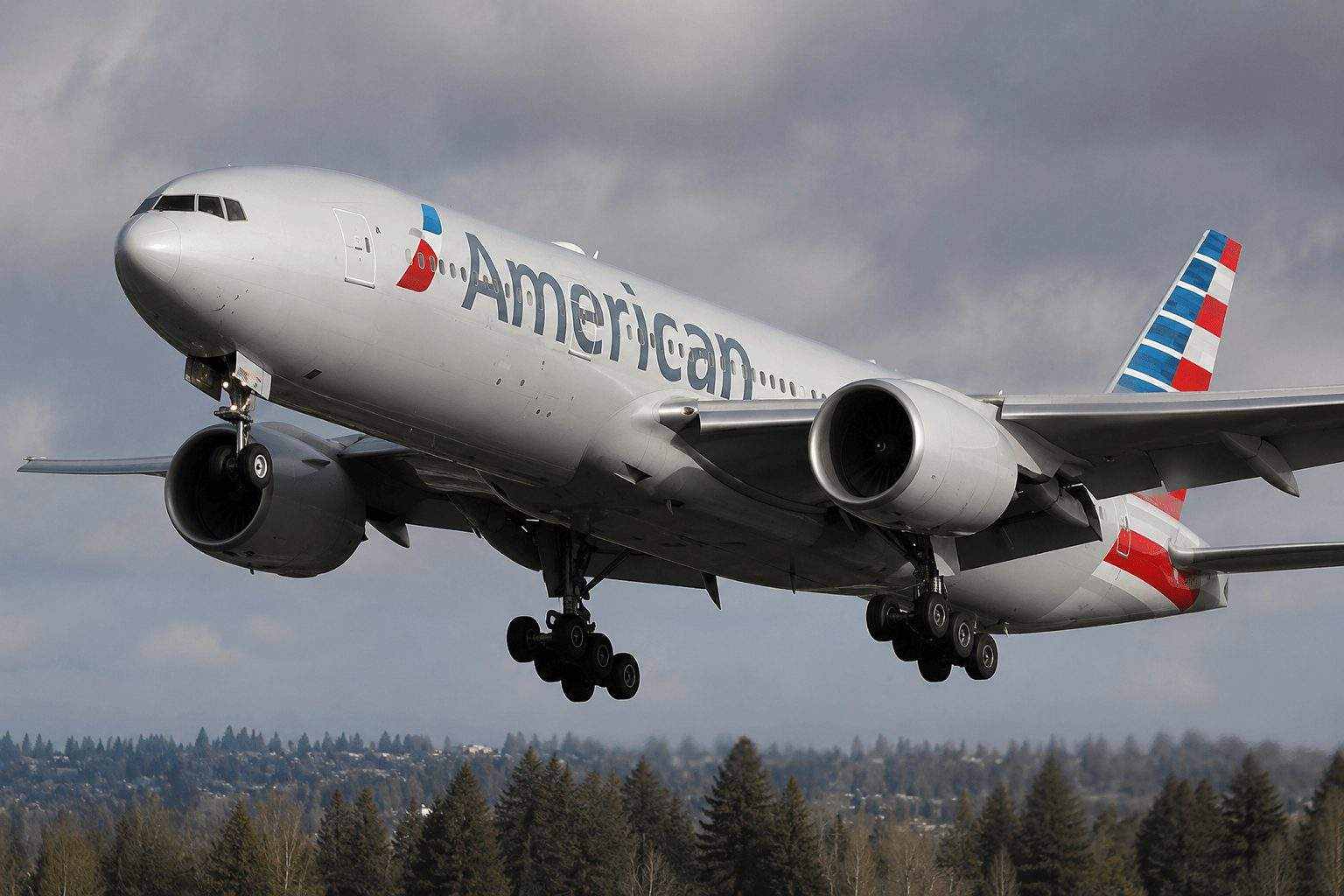
- American Airlines plans to boost capacity this fall, tacking on upwards of 23,000 additional seats to more than 80 routes tied to pro and college football travel.
- The carrier is making the move as it chases selective growth, with high fuel prices squeezing its profit margins.
- Stocks slipped in the afternoon, as Delta and United shares lost ground too.
American Airlines Group Inc. is gearing up to offer over 23,000 extra seats on more than 80 routes this fall, zeroing in on football fans now that pro and college schedules are locked in. “We’re getting ready to fly more football fans than ever before,” said Jason Reisinger, American’s managing director of global network planning. Bookings go live early next week. American Airlines Newsroom
Timing is crucial. Sporting events offer airlines advance visibility into demand, allowing them to adjust pricing and quickly shift capacity—without the commitment of flying to less-profitable markets all year.
American gets a more straightforward growth narrative out of the deal, after a rocky spring. The company’s aiming to prove its network can still deliver revenue increases, despite fuel costs and debt that continue to weigh on results.
American is rolling out nearly 10,000 additional seats across 28 routes linked to pro games, plus over 13,000 seats spanning more than 50 college football routes. In September, the carrier will also launch special Dallas-Fort Worth–Rio de Janeiro flights, connecting the football calendar to broader international sports travel.
Coming on the heels of a broader summer ramp-up, American on May 10 projected it would fly 75 million passengers across 750,000 flights between May 21 and Sept. 8. That includes more than 4.2 million travelers expected during the Memorial Day stretch.
Competition is heating up for the same slivers of demand. Back in April, Delta Air Lines announced plans to boost capacity for college football, putting over 40 new nonstop flights on the schedule and upgrading 27 aircraft—almost 10,000 additional seats. “Fans plan their entire fall” around the games, according to Delta’s network planner Amy Martin. Delta News Hub
American’s fall schedule comes as the company finds itself in the middle of bigger strategic moves. Just last month, United Airlines dropped its merger bid after American wouldn’t come to the table—CEO Robert Isom dismissed the idea as anti-competitive and not in customers’ interest. Over on Polymarket, traders are only assigning a 7% chance that any United-American deal gets announced in 2026.
American shares slipped 2.1% to $12.43 Friday afternoon. United dropped 2.2%, with Delta down around 1.2%.
American Airlines posted a record $13.9 billion in first-quarter revenue back in April. Still, the numbers weren’t all rosy: the carrier booked a GAAP net loss of $382 million and carried total debt of $34.7 billion. For 2026, American told investors to expect adjusted earnings per share anywhere between a 40-cent loss and a $1.10 gain.
Fuel stands out as the top risk. Reuters says American projects its 2026 jet-fuel expenses will jump by over $4 billion. The airline anticipates clawing back only around half of those increased fuel costs during the second quarter. More recovery could come later this year, assuming prices stay high.
Operational risks haven’t gone away. The FAA set a daily limit of 2,708 flights at Chicago O’Hare between May 17 and Oct. 24, responding after packed schedules from United and American raised concerns about overloading the airport. American threw its support behind the measure, arguing the cap should boost reliability during busy months.
The football buildout isn’t about a fleet order or merging operations. Instead, it’s a scaled-down, arguably more workable play—deploy jets where the crowds are, boost AAdvantage signups, and tap into event weekends for extra revenue, all while steering clear of wagering the entire schedule on a sweeping bounce-back in consumer demand.
Related articles: NASDAQ:UAL